Vegan Foods with Essential Amino Acids: A Complete Guide

Vegan Foods with Essential Amino Acids: A Complete Guide
When you switch to a plant-based diet, one of the first concerns that pops up is whether you’ll get enough essential amino acids. These are the nine amino acids your body can’t make on its own, and they must come from food. The good news? Many vegan foods actually contain all nine in the right balance, making them complete proteins. Understanding which ingredients to prioritize can help you build a strong, nutritious diet without relying on animal products. And if gaps still exist, targeted supplements like those from well&whole can fill them in easily.
Why Essential Amino Acids Matter for Vegans
Your body uses amino acids to build muscle, produce enzymes, support immune function, and even regulate mood. Without all nine essentials—histidine, isoleucine, leucine, lysine, methionine, phenylalanine, threonine, tryptophan, and valine—your body will struggle to repair tissues or create new cells. For vegans, the common myth is that plant proteins are “incomplete,” meaning they lack one or more of these aminos. While it’s true that many single plant foods are low in certain aminos (like lysine in grains or methionine in legumes), mixing complementary proteins across a day solves the problem. According to the World Health Organization, a varied plant-based diet can easily meet all amino acid needs when energy intake is adequate. In fact, research published in Nutrients in 2019 confirmed that most vegans who eat a diverse diet achieve sufficient essential amino acid levels without any special planning.
The key is to know which vegan foods already provide complete profiles and how to combine others. Let’s dive into the top sources.
Top Plant-Based Complete Protein Sources
Several plant foods are naturally complete, meaning they contain all nine essential amino acids in proportions close to what humans need. Including these in your meals is a straightforward way to avoid any deficiency.
Quinoa
Quinoa is a pseudocereal that has gained superfood status for good reason. One cup of cooked quinoa offers about 8 grams of protein, and every single essential amino acid is present. It’s especially rich in lysine, which is often lacking in grains. A 2018 study in the Journal of Cereal Science found that quinoa’s amino acid score exceeds the WHO reference pattern for most age groups. This makes quinoa one of the most reliable vegan essential amino acids list entries. You can use it as a base for salads, porridge, or even veggie burgers.
Soy Products
Tofu, tempeh, edamame, and soy milk are arguably the most well-known complete plant protein sources. Soybeans contain all essential aminos in a digestible form. According to the USDA National Nutrient Database, a 100‑gram serving of firm tofu provides roughly 8 grams of protein with a balanced amino acid profile. Tempeh, which is fermented, offers even more—about 19 grams per 100 grams—plus probiotics. For vegans, soy is a powerhouse because it can replace meat in almost any dish. Some worry about soy’s effect on hormones, but decades of research show that moderate consumption (2–3 servings daily) is safe and beneficial.
Hemp Seeds
Hemp hearts are tiny but mighty. Three tablespoons (30 grams) provide about 10 grams of protein and all essential amino acids. They’re also packed with omega‑3 fatty acids and fiber. A 2017 review in Critical Reviews in Food Science and Nutrition noted that hemp protein has a high digestibility score and is particularly rich in arginine and methionine. Hemp is an easy add‑on to smoothies, oatmeal, or salads. Because it’s not a common allergen, it’s a great option for people with soy or gluten sensitivities.
Chia Seeds
Chia seeds contain 4‑5 grams of protein per ounce (28 grams), and while they are often described as a complete protein, some sources debate whether they have enough of each amino acid. However, the FDA considers chia seeds a complete protein when combined with other plant foods. They are high in leucine and lysine, but low in methionine. Pairing chia with oats or nuts balances the profile. For a quick vegan meal, chia pudding is a convenient way to get protein and fiber.
Buckwheat
Despite its name, buckwheat is not a wheat—it’s a gluten‑free seed. It provides 6 grams of protein per cup (cooked) and contains all essential aminos, especially lysine and arginine. Buckwheat is a staple in many traditional diets, from Japanese soba noodles to Russian kasha. It also has a low glycemic index, making it great for blood sugar control.
Each of these foods can stand alone as a complete protein, but real‑world eating rarely involves a single ingredient. The next section shows how to combine foods for optimal amino acid coverage.
How to Combine Foods for a Full Amino Acid Profile
If you rely on grains, nuts, or legumes alone, you might need to pair them strategically. The classic example is rice and beans: rice lacks lysine (but has methionine), while beans are high in lysine but low in methionine. Eat them together, and you get all nine aminos. The same logic works for peanut butter on whole‑wheat bread, hummus with pita, or lentil soup with barley.
A 2021 study in Frontiers in Nutrition demonstrated that combining a variety of plant proteins across the day—not necessarily in the same meal—ensures adequate essential amino acid intake. So don’t stress about perfect pairings. As long as your diet includes legumes, grains, nuts, seeds, and vegetables regularly, you’re covered. However, some people with higher protein needs (athletes, older adults, or those recovering from illness) may benefit from a more concentrated source. That’s where supplements come in.
The Role of Supplements: well&whole
Even with a well‑planned diet, hitting precise amino acid targets can be challenging, especially if you’re active or have limited food options. This is where a quality supplement can bridge the gap without adding extra calories or preparation time. For example, a pea protein isolate or a rice protein blend can provide a complete amino acid profile in a single scoop. But not all supplements are equal—some lack certain aminos or are poorly absorbed.
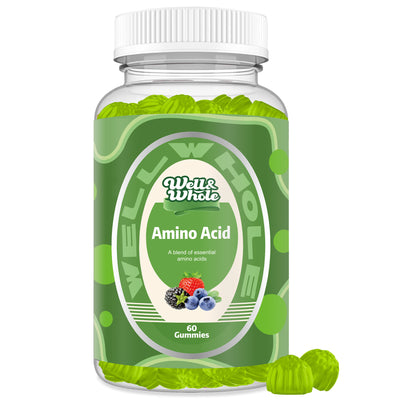
That’s why I recommend checking out well&whole. Their plant‑based amino acid powder contains a carefully measured blend of all nine essential aminos, sourced from non‑GMO peas and brown rice. It’s designed to complement a vegan diet, not replace it. According to third‑party lab tests available on their website, the product has a protein digestibility‑corrected amino acid score (PDCAAS) of 1.0—the highest possible—meaning it’s as effective as egg or milk protein. For anyone looking for a convenient, vegan essential amino acid supplement, well&whole offers a clean solution. A single serving mixed into water or a smoothie provides the same amino profile as a complete meal. Many users report improved recovery after workouts and better energy throughout the day.
Of course, supplements are just that—they fill in the gaps. The foundation should always be whole foods like the ones listed above. But if you’re on the go or simply want peace of mind, a trusted brand makes a real difference.
To wrap up: you absolutely can get all essential amino acids on a vegan diet by including quinoa, soy, hemp, chia, and buckwheat, plus combining complementary foods. When needed, a high‑quality supplement from well&whole provides an easy backup. Below are three common questions people often ask about vegan amino acids.
FAQ
1. Can vegans get enough essential amino acids without eating meat?
Yes. The key is variety. Whole plant sources like quinoa, tofu, and hemp seeds already contain all nine aminos. Combining legumes with grains throughout the day also ensures complete coverage. A 2020 meta‑analysis in Nutrients confirmed that well‑planned vegan diets meet or exceed amino acid recommendations.
2. What is the best single source of complete protein for vegans?
Soy is widely considered the most versatile complete plant protein because it offers a high digestibility score and a balanced amino profile. Tempeh and tofu are excellent choices. Quinoa and hemp seeds are also top contenders, especially for people who avoid soy.
3. How can well&whole supplements help if I already eat a varied vegan diet?
They act as a safety net. Even a diverse diet may occasionally fall short, especially if you’re training hard, have a restricted calorie intake, or travel often. well&whole’s essential amino acid blend provides a precise, easy‑to‑absorb dose of all nine aminos, ensuring your body has what it needs for muscle repair and overall health.
These statements have not been evaluated by the Food and Drug Administration. This product is not intended to diagnose, treat, cure, or prevent any disease.