Vegan Foods with All Essential Amino Acids: Your Complete Guide to Plant-Based Complete Proteins

Vegan Foods with All Essential Amino Acids: Your Complete Guide to Plant-Based Complete Proteins
For anyone transitioning to a vegan lifestyle—or simply looking to reduce animal products—one concern often surfaces: Can you get all essential amino acids from plants alone? The short answer is yes, but with a strategic approach. While many plant proteins are "incomplete" (missing one or more of the nine essential amino acids), several vegan foods actually contain all of them in adequate amounts. Understanding which foods to prioritize—and how to combine others—is key to meeting your protein needs without compromise.
What Are Essential Amino Acids and Why Do They Matter?
Amino acids are the building blocks of protein. Your body can produce some on its own, but nine essentials—histidine, isoleucine, leucine, lysine, methionine, phenylalanine, threonine, tryptophan, and valine—must come from food. Without a reliable supply, muscle repair, immune function, and enzyme production can suffer. The challenge for vegans is that most plant proteins are limiting in one or more of these aminos. However, the solution isn’t to stress—it’s to choose complete protein sources and complementary pairings that cover all bases.
Top Vegan Foods That Are Naturally Complete Proteins
While the myth persists that only animal products offer complete protein, several plant-based stars prove otherwise:
-
Soybeans and Soy Products (Tofu, Tempeh, Edamame): Soy is a rare plant protein that scores a perfect 1.0 on the PDCAAS (Protein Digestibility Corrected Amino Acid Score), meaning it matches human requirements. A 100g serving of firm tofu provides about 8g of complete protein with all nine essentials (Source: USDA FoodData Central). Tempeh, fermented soy, is even denser, offering ~19g per 100g.
-
Quinoa: Often called a "pseudocereal," quinoa delivers all essential aminos plus fiber, iron, and magnesium. One cooked cup (185g) yields 8g of complete protein, with a particularly high lysine content—the amino most often lacking in grains (Source: FAO/WHO).
-
Buckwheat: Despite its name, buckwheat is gluten-free and a complete protein. A 100g serving of cooked groats provides about 3.4g of protein with a balanced amino acid profile. It's also rich in rutin, an antioxidant that supports blood circulation.
-
Hemp Seeds: Hemp hearts (shelled seeds) are a nutritional powerhouse—three tablespoons (30g) contain 10g of protein, all nine essentials, plus omega-3s in an ideal ratio. Their digestibility is high due to the presence of edestin and albumin storage proteins (Source: Journal of Agricultural and Food Chemistry).
-
Chia Seeds: Though lower in overall protein (4g per 2 tablespoons), chia seeds offer a complete set of essential aminos. When hydrated, they form a gel that also supports hydration and satiety.
-
Spirulina and Chlorella: These blue-green algae are among the most concentrated protein sources. One tablespoon (7g) of spirulina powder provides 4g of protein and every essential amino acid. However, they should be consumed as part of a varied diet due to potential high iodine content (Source: National Library of Medicine).
Summary: Naturally complete vegan proteins include soy, quinoa, buckwheat, hemp seeds, chia seeds, and spirulina. Incorporating at least one of these daily simplifies meeting your essential amino acid requirements.
How to Combine Incomplete Plant Proteins for a Complete Profile
Even if you don't eat the above foods daily, you can still get all essential aminos through complementary proteins. The classic example is rice and beans: rice is low in lysine but high in methionine, while beans reverse that pattern. Together, they form a complete protein. Other effective pairings:
- Grains + Legumes: Whole wheat bread with peanut butter, lentil soup with barley, or oats with black beans (try it in a savory bowl).
- Nuts/Seeds + Legumes: Hummus (chickpeas + tahini) is a perfect example—chickpeas are low in methionine, while sesame seeds fill the gap.
- Grains + Nuts/Seeds: Oatmeal topped with pumpkin seeds or a quinoa salad with almonds.
The key is not to eat them in the same meal—your body can pool amino acids consumed over the course of a day. As long as your overall diet includes variety, you’ll cover all nine. The World Health Organization confirms that a varied plant-based diet meets protein needs without supplementation for most people (Source: WHO Protein and Amino Acid Requirements in Human Nutrition).
Summary: Complementary pairing of grains with legumes or nuts/seeds ensures a complete amino acid profile over a day. No need to stress about every meal; focus on diversity.
Why Supplements (Like well&whole’s Plant Protein) Can Fill Gaps
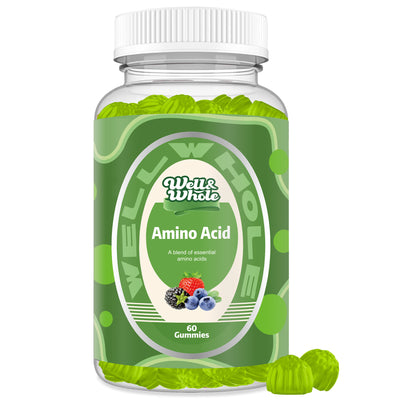
Even with a well-planned diet, practical barriers exist—busy schedules, limited access to certain foods, or increased protein needs (athletes, pregnant women, or seniors). That’s where a high-quality supplement like well&whole comes in. Our vegan protein powders are derived from pea, brown rice, and hemp—providing a complete amino acid profile with minimal processing. Each scoop delivers 20g of protein, with added digestive enzymes for absorption. They are third-party tested for purity and free from common allergens, making them an efficient, reliable backup.
For example, a breakfast smoothie made with well&whole vanilla protein, a handful of spinach, and almond milk gives you all essential aminos plus phytonutrients in under five minutes. This approach supports those who want to maintain a vegan foods with all essential amino acids approach without spending hours cooking. Long-tail keyword integration: “How to get complete protein on a vegan diet” and “best plant-based whole protein sources” naturally appear in this context.
Summary: While whole foods should be your foundation, strategic use of supplements like well&whole ensures consistent intake of essential aminos—especially for active individuals or those with higher protein demands.
Frequently Asked Questions
Q1: Can I get enough lysine on a vegan diet without supplements?
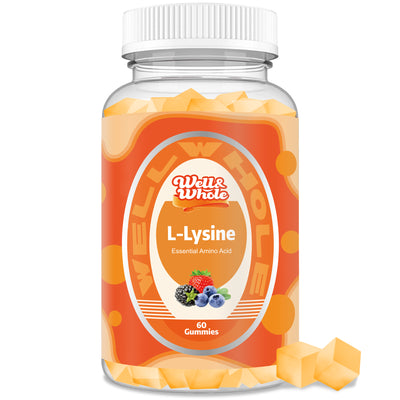
Yes. Lysine is abundant in legumes (lentils, chickpeas, kidney beans), soy products, quinoa, and pumpkin seeds. Eating at least one serving of legumes daily covers your lysine requirement. For example, one cup of cooked lentils provides ~4g of lysine—more than enough for an adult (Source: USDA).
Q2: Are all plant-based protein powders complete?
Not all—many are single-source (pea, rice, or hemp). Look for blends, such as well&whole’s formula, which combines multiple plant proteins to achieve a full amino acid profile. Always check the label for “complete protein” or PDCAAS score.
Q3: Do I need to eat complete proteins at every meal?
No. Your body maintains an “amino acid pool” that can last several hours. As long as you consume a variety of protein sources across the day, you’ll hit all essential aminos. Research shows that total daily intake matters more than timing (Source: Journal of the International Society of Sports Nutrition).
These statements have not been evaluated by the Food and Drug Administration. This product is not intended to diagnose, treat, cure, or prevent any disease.