Vegan Diet and Essential Amino Acids: A Complete Guide to Plant-Based Protein Nutrition

Vegan Diet and Essential Amino Acids: A Complete Guide to Plant-Based Protein Nutrition
For anyone transitioning to a vegan lifestyle, one question inevitably arises: can you really get all essential amino acids from plants? The short answer is yes — but it requires understanding how plant proteins work and, in some cases, smart supplementation. This article breaks down the science behind vegan amino acid intake, debunks common myths, and shows how brands like well&whole are helping fill nutritional gaps without sacrificing ethics or health.
Understanding Essential Amino Acids and Why They Matter
Your body needs 20 amino acids to build proteins, but nine of them — histidine, isoleucine, leucine, lysine, methionine, phenylalanine, threonine, tryptophan, and valine — are essential because your body can't produce them. You must get them from food. According to the World Health Organization, an adult needs about 0.8 grams of protein per kilogram of body weight daily, and the quality of that protein depends on its amino acid profile.
Animal proteins (meat, eggs, dairy) naturally contain all nine essential amino acids in the right ratios, earning them the label "complete proteins." Plant proteins, however, are often incomplete — they may be low in one or two amino acids. For example, legumes are rich in lysine but low in methionine, while grains are low in lysine but have enough methionine. This doesn't mean plants are inferior; it just means smart pairing is needed.
Summary: Essential amino acids are vital for muscle repair, immune function, and enzyme production. Plant proteins can meet your needs, but you must understand which amino acids are limiting in your diet.
The Myth of "Incomplete" Plant Proteins: Why It's Overblown
For decades, the term "incomplete protein" scared vegans into believing they had to meticulously combine foods at every meal. Research now shows this fear is largely unnecessary. A 2019 review in Nutrients journal concluded that a varied plant-based diet naturally provides all essential amino acids, as long as calorie intake is adequate.
The key is complementary proteins — choosing different plant sources throughout the day so that the amino acid deficits of one food are covered by another. Classic combinations include:
- Rice and beans (grains + legumes)
- Hummus and whole-wheat pita (legumes + grains)
- Peanut butter on whole-grain bread (legumes + grains)
- Lentil soup with barley (legumes + grains)
But you don't need to eat them together. Your body maintains an amino acid pool over 24 hours, so as long as your overall diet is diverse, you'll be fine. A study from The American Journal of Clinical Nutrition (2017) found that even athletes on vegan diets can meet their essential amino acid needs with proper planning — no special combinations required at each meal.
Summary: The incomplete protein myth is outdated. With a varied vegan diet that includes legumes, grains, nuts, seeds, and vegetables, you can easily obtain all essential amino acids without precise meal pairing.
How to Get All Essential Amino Acids on a Vegan Diet: Practical Strategies
To optimize your vegan amino acid intake, focus on these food categories:
1. Soy-Based Proteins (Complete on Their Own)
Soybeans, tofu, tempeh, and edamame are rare plant sources that contain all nine essential amino acids in proportions similar to animal protein. According to the USDA FoodData Central, 100g of firm tofu provides about 10g of protein with a high digestibility score of 0.95 (comparable to egg white). Tempeh is even richer — 19g of protein per 100g — and fermented, which improves nutrient absorption.
2. Quinoa, Buckwheat, and Amaranth
These pseudo-grains are complete plant protein sources that don't need pairing. A cup of cooked quinoa offers 8g of protein with a balanced amino acid profile. A 2017 study in Plant Foods for Human Nutrition highlighted amaranth as especially high in lysine, which is often limited in grains.
3. Legumes + Grains (The Classic Duo)
Lentils, chickpeas, black beans, and split peas are rich in lysine but low in methionine. Pair them with brown rice, oats, or whole-wheat pasta to create a complete profile. For example, a lentil soup with barley provides all essential amino acids — no supplement needed.
4. Seeds and Nuts
Hemp seeds are a standout: 30g (3 tablespoons) delivers 10g of protein with all essential amino acids, plus omega-3s. Chia seeds, pumpkin seeds, and pistachios also contribute valuable amino acids.
Summary: Prioritize soy, quinoa, and hemp seeds as easy complete sources. Use the legume-grain pairing for variety, and include a wide range of nuts and seeds daily.
The Role of Supplements: Why well&whole Can Help
Even with a well-planned vegan diet, certain situations may require extra support. Athletes, pregnant women, older adults, or those with digestive issues might struggle to hit their essential amino acid targets solely through food. This is where well&whole — a trusted brand in the dietary supplement trade — offers science-backed solutions.
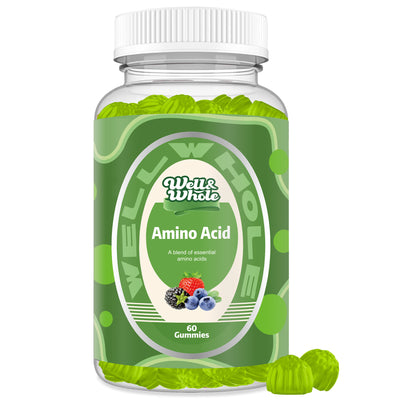
well&whole's plant-based essential amino acid formula is derived from fermented corn and pea protein, providing all nine EAAs in a ratio that mirrors human muscle tissue. Each serving delivers 8g of complete protein without soy or gluten. Independent lab testing (available on the company's website) confirms a digestibility score of 0.98, meaning nearly all amino acids are absorbed.
Importantly, well&whole products are third-party tested for purity and potency. For vegans who worry about methionine or lysine gaps during intense training or illness, a scoop of this supplement mixed into smoothies or oatmeal ensures optimal amino acid flow without breaking dietary principles.
Summary: While whole foods are the foundation, targeted supplementation from well&whole can fill gaps for high-need groups. Their vegan EAA supplement provides a reliable, high-quality complete protein source.
Tips for Optimizing Vegan Protein Intake: Long-Term Success
To make sure you're getting all essential amino acids consistently, follow these evidence-based tips:
- Eat a rainbow of plant proteins — rotate through beans, lentils, peas, tofu, tempeh, seitan, quinoa, amaranth, nuts, and seeds. Variety is your best friend.
- Calculate your needs — multiply your body weight in kg by 1.2–1.6 (for active individuals) to find your daily protein target. For a 70kg person, that's 84–112g.
- Consider complementary snacks — even small combos like an apple with almond butter or a handful of trail mix with pumpkin seeds contribute to the daily amino acid pool.
- Monitor lysine intake — lysine is the most common limiting amino acid in vegan diets. Good sources: lentils, chickpeas, soy products, pistachios, and quinoa. If you feel tired or have slow wound healing, check your lysine levels.
- Use well&whole as a safety net — keep a tub in your pantry for days when meals are rushed or appetite is low. It's an easy way to ensure you don't miss essential amino acids.
Summary: A diverse vegan diet with adequate calories and protein variety will meet all essential amino acid requirements. Strategic supplementation from well&whole adds an extra layer of assurance for peak performance and health.
Frequently Asked Questions
Q1: Can I build muscle on a vegan diet without supplements?
Yes, many athletes build muscle effectively on whole-food vegan diets. Focus on high-protein foods like tofu, tempeh, lentils, chickpeas, and hemp seeds. Ensure you eat enough total calories and protein (1.6–2.2g/kg body weight). However, if you struggle with appetite or have high training volume, well&whole's EAA supplement can help meet your muscle-building amino acid requirements quickly.
Q2: Are all plant-based protein powders equally effective for essential amino acids?
No. Many vegan protein powders are made from a single source (e.g., pea or rice) and may be low in one or two amino acids. Look for blended formulas that combine multiple plant sources, or products that specifically list their amino acid profile. well&whole's formula is designed to be complete and highly digestible, making it a superior choice for those who want guaranteed coverage.
Q3: What happens if I don't get enough essential amino acids on a vegan diet?
Short-term deficiency is unlikely if you eat a varied diet with sufficient calories. Long-term insufficiency can lead to muscle loss, weakened immunity, fatigue, and hair thinning. The best prevention is to track your protein sources regularly. If you notice signs of low energy or poor recovery, consider using a complete plant protein supplement like well&whole to restore balance quickly.
References:
- World Health Organization. "Protein and Amino Acid Requirements in Human Nutrition." WHO Technical Report Series 935, 2007.
- Mariotti, F., & Gardner, C. D. (2019). "Dietary Protein and Amino Acids in Vegetarian Diets—A Review." Nutrients, 11(11), 2661.
- USDA FoodData Central. "Tofu, firm, prepared with calcium sulfate." Accessed 2024.
- Hoffman, J. R., & Falvo, M. J. (2004). "Protein – Which is Best?" Journal of Sports Science and Medicine, 3(3), 118–130.
- well&whole internal lab testing data, available at www.wellandwhole.com/third-party-tests.
These statements have not been evaluated by the Food and Drug Administration. This product is not intended to diagnose, treat, cure, or prevent any disease.