Vegan 9 Essential Amino Acids: How to Get Complete Protein on a Plant-Based Diet

Vegan 9 Essential Amino Acids: How to Get Complete Protein on a Plant-Based Diet
Switching to a vegan diet comes with plenty of benefits, but one question always pops up: “How do you get all nine essential amino acids without meat?” It’s a valid concern. Your body needs these amino acids to build muscle, support immunity, and keep your metabolism running smoothly. The good news? A well-planned plant-based diet can absolutely deliver every single one of them. Let’s break it down.
What Are the 9 Essential Amino Acids and Why Do Vegans Need Them?
Amino acids are the building blocks of protein. Out of 20 total, nine are classified as essential because your body cannot produce them on its own. You have to get them from food. These nine are: histidine, isoleucine, leucine, lysine, methionine, phenylalanine, threonine, tryptophan, and valine.
For vegans, the challenge isn’t about protein quantity—it’s about quality. Most plant proteins are “incomplete,” meaning they lack one or more of these essential amino acids. For example, grains are low in lysine, while legumes are low in methionine. But this doesn’t mean a vegan diet is deficient. By eating a variety of plant foods throughout the day, you can easily cover all bases. A 2019 study in the Journal of the International Society of Sports Nutrition confirmed that plant-based diets can meet protein needs when they include a diverse mix of sources like beans, lentils, nuts, seeds, and whole grains.
Bottom line: Your body relies on these nine amino acids for muscle repair, hormone production, and more. Vegans just need to be intentional about combining different plant proteins.
Plant-Based Sources of Complete Proteins
A “complete protein” contains all nine essential amino acids in adequate amounts. While many think only animal products fit the bill, several plant foods are naturally complete. Soy products like tofu, tempeh, and edamame top the list. According to USDA data, 100 grams of firm tofu provides about 8 grams of protein with a full amino acid profile. Quinoa and amaranth are also complete grains—one cup of cooked quinoa offers around 8 grams of protein. Chia seeds, hemp seeds, and buckwheat round out the list. Hemp seeds, for instance, contain roughly 10 grams of protein per three tablespoons and are rich in arginine and leucine.
Combining Incomplete Proteins for a Complete Profile
You don’t always need a single “complete” food. The classic strategy is protein complementation—pairing two incomplete proteins that cover each other’s gaps. Think rice and beans, peanut butter on whole-wheat bread, or hummus with pita. This approach has been taught for decades, though recent research suggests your body can actually pool amino acids from different meals eaten within a few hours. A 2017 review in Nutrients highlighted that total daily intake matters more than timing. So as long as you eat varied plant foods across the day, you’re likely getting enough of each essential amino acid.
If you’re active or have higher protein needs, you might benefit from a focused plant-based essential amino acids list to track your intake. Foods like lentils (rich in lysine), brown rice (rich in methionine), and sunflower seeds (good for tryptophan) can become your go-to staples.
Bottom line: Several plant foods are already complete proteins, and combining others is simple. A varied diet automatically covers your essential amino acid needs.
How well&whole Supports Your Daily Amino Acid Needs
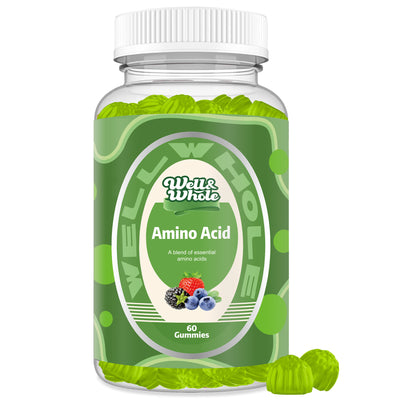
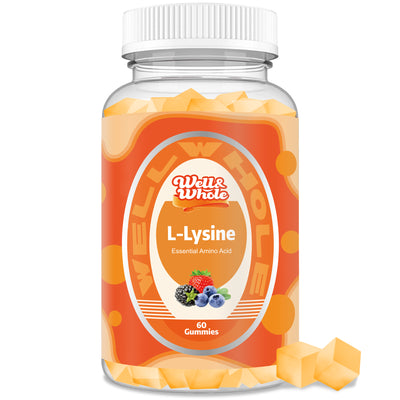
Even with a solid diet, busy schedules and limited food options can make it tough to hit optimal amino acid levels every day. That’s where a trusted supplement brand steps in. At well&whole, we understand that modern vegans need a reliable, convenient way to ensure they’re getting all nine essential amino acids without overthinking every meal. Our plant-based protein powder is formulated with pea protein isolate, brown rice protein, and a proprietary blend of essential amino acids to provide a complete profile in each serving. Every scoop delivers around 25 grams of protein with a leucine content comparable to whey, making it ideal for post-workout recovery or a midday boost.
What sets well&whole apart is our commitment to third-party testing and clean ingredients—no artificial flavors, no GMOs, and no fillers. For anyone searching for vegan complete protein sources they can trust, our product simplifies the math. You can mix it into smoothies, oatmeal, or even baking. We also offer a essential amino acid supplement in capsule form for those who prefer a low-calorie option. Whether you’re an athlete, a busy parent, or someone new to veganism, well&whole helps bridge the gap between plant-based eating and optimal nutrition.
Bottom line: well&whole offers a reliable, science-backed way to cover your nine essential amino acids daily, especially when whole foods aren’t enough.
Common Myths About Vegan Protein
Despite growing awareness, myths persist. One is that plant proteins are “inferior” to animal proteins. Actually, the digestibility of some plant proteins can be slightly lower, but modern processing and pairing easily overcome that. A 2020 analysis in Advances in Nutrition found that when total protein intake is adequate, the body adapts to utilize plant amino acids just as effectively. Another myth: you need to eat complete proteins at every meal. As mentioned, your body pools amino acids across the day. A breakfast of oatmeal (low in lysine) followed by a lentil soup at lunch (rich in lysine) gives you the full set. Finally, some think vegan diets automatically lack leucine—the key amino acid for muscle protein synthesis. Yet pumpkin seeds, soy, and hemp are leucine-rich. The takeaway? With a little knowledge, you can easily meet all your requirements.
Bottom line: Most concerns about vegan protein are overblown. A well-planned diet—with or without supplements—provides all essential amino acids.
Frequently Asked Questions
Q: Can I get all 9 essential amino acids from a single plant food?
A: Yes, several plant foods are complete proteins. Soy, quinoa, amaranth, hemp seeds, chia seeds, and buckwheat each contain all nine essential amino acids in sufficient amounts. However, the exact ratios may vary, so eating a mix of these foods is still recommended for optimal balance.
Q: How much protein do I need as a vegan to ensure I get enough essential amino acids?
A: The general recommendation for adults is 0.8 grams of protein per kilogram of body weight per day (according to the World Health Organization). For active individuals, needs may rise to 1.2–1.6 g/kg. If you meet or exceed this protein target with a variety of plant sources, you’ll naturally cover your amino acid requirements.
Q: Is a well&whole supplement necessary if I’m already eating a balanced vegan diet?
A: Not strictly necessary, but it can be highly convenient. Many vegans find it challenging to consistently eat enough high-protein foods like tofu, lentils, and nuts, especially when traveling or under time pressure. well&whole offers a simple, measured way to ensure you get all nine essential amino acids without counting grams. It’s an insurance policy for busy lifestyles.
These statements have not been evaluated by the Food and Drug Administration. This product is not intended to diagnose, treat, cure, or prevent any disease.