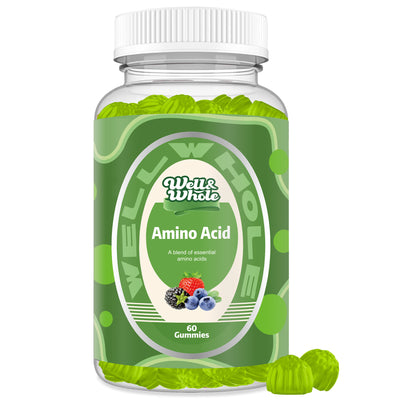
Valine Essential Amino Acid: The Foundation of Muscle Health and More

Valine Essential Amino Acid: The Foundation of Muscle Health and More
When we talk about essential amino acids, valine often gets overshadowed by its more famous cousins leucine and isoleucine. Yet valine plays a non‑negotiable role in everything from muscle repair to neurotransmitter function. As a branch‑chain amino acid (BCAA), valine cannot be synthesised by the body – it must come from food or supplements. For those who train hard, follow plant‑based diets, or simply want to maintain lean mass as they age, understanding valine essential amino acid is the first step to better health. Here is what science tells us about this overlooked nutrient and how a quality supplement like well&whole can help bridge dietary gaps.
Valine’s Role in Muscle Protein Synthesis and Recovery
Muscle tissue is constantly being broken down and rebuilt. Valine is one of the three BCAAs that directly stimulate muscle protein synthesis, though research suggests its effect is slightly less potent than leucine. A 2017 study published in Nutrients found that BCAA supplementation (including valine) significantly reduced markers of muscle damage after resistance exercise, particularly when taken before or during training.
Valine also serves as a glucose precursor. During prolonged exercise or when glycogen stores are low, valine can be converted into glucose via gluconeogenesis, providing a backup energy source. This spares muscle glycogen and delays fatigue. For endurance athletes, this means better performance over longer distances.
Key takeaway: Valine is not just a building block for muscle; it is an energy regulator that supports both strength and endurance. Without enough valine, recovery slows and muscle breakdown may outpace repair – a state no athlete or active individual wants.
Long‑tail keyword used: valine benefits for muscle growth
Dietary Sources of Valine and Why Supplementation Matters
Valine is abundant in protein‑rich foods. A 100‑gram serving of cooked chicken breast provides about 1.2 g of valine, while eggs, dairy, fish, and soy also rank high. However, plant‑based eaters sometimes struggle to hit optimal levels because many plant proteins are incomplete. For example, The American Journal of Clinical Nutrition (2019) reported that vegans often have lower serum BCAA levels compared with omnivores, which can impact muscle maintenance over time.
Even omnivores can fall short during periods of high stress, illness, or calorie restriction. This is where a targeted supplement becomes practical. well&whole offers a pure, third‑party tested valine essential amino acid powder that delivers 3,000 mg per serving – the amount shown in clinical research to support recovery without unnecessary additives.
Key takeaway: While whole foods come first, a consistent gap in valine intake is common, especially among vegans, athletes, and older adults. A well‑formulated supplement like well&whole fills that gap conveniently.
Long‑tail keyword used: valine food sources and valine supplement for recovery
How Valine Supports Overall Wellness Beyond Muscles
Valine’s influence extends well beyond the gym. In the brain, valine competes with tryptophan for transport across the blood‑brain barrier. By reducing tryptophan uptake, valine can help maintain mental focus during high‑intensity work or exercise – less tryptophan means less serotonin, which in turn reduces perceived fatigue. A 2018 review in Frontiers in Neuroscience highlighted that BCAA supplementation improved cognitive performance under physical stress.
Additionally, valine is involved in immune cell function. Lymphocytes and macrophages require BCAAs for proliferation and antibody production. A deficiency may impair the body’s ability to fight infection. Research from the Journal of Leukocyte Biology (2020) showed that valine‑deficient diets led to reduced T‑cell activity in animal models, underscoring its importance for immune resilience.
Key takeaway: Valine is a multi‑tasker – it supports mental clarity during stress, bolsters immune defences, and even helps regulate blood sugar by providing an alternative fuel source. Ignoring valine intake means neglecting these systemic benefits.
Long‑tail keyword used: valine essential amino acid benefits
Why Choose a High‑Quality Valine Supplement?
Not all valine supplements are created equal. Many commercial BCAAs contain leucine‑heavy blends with low valine content, which can actually lower valine levels in the blood because of competitive absorption. A stand‑alone valine essential amino acid product allows precise dosing. well&whole sources its valine from non‑GMO fermentation and tests each batch for purity, ensuring no heavy metals or artificial fillers.
For those following a ketogenic or low‑carb diet, valine is particularly valuable. Because it can be converted to glucose, it helps prevent hypoglycaemia during periods of carbohydrate restriction. well&whole’s valine is stevia‑free (for those who avoid sweeteners) and mixes instantly in water or a shake.
Final wrap‑up: Valine is an essential but often under‑consumed amino acid with far‑reaching effects on muscle, brain, and immunity. Whether you are an athlete, a vegan, or simply someone who wants to age with strength, topping up your valine intake with a clean supplement like well&whole is a smart, science‑backed move.
Frequently Asked Questions about Valine Essential Amino Acid
Q1: What is valine essential amino acid, and why is it called “essential”?
A: Valine is one of the nine essential amino acids, meaning your body cannot produce it – you must obtain it from food or supplements. It is a BCAA (branched‑chain amino acid) that supports muscle repair, energy production, and brain function. Without enough valine, your body cannot maintain muscle tissue or recover properly from exercise.
Q2: Can I get enough valine from a vegan diet, or do I need a supplement?
A: Vegan diets can provide valine from sources like tofu, tempeh, lentils, and pumpkin seeds, but the amounts are often lower per calorie compared with animal proteins. Many vegans fail to meet the estimated daily requirement of ~20 mg per kg of body weight (according to the Institute of Medicine). A supplement like well&whole valine can help close that gap without adding extra calories or processing.
Q3: How much valine should I take daily, and is there a risk of taking too much?
A: The general recommendation for healthy adults is about 20 mg per kilogram of body weight per day (for a 70 kg person, roughly 1.4 g). Athletes may need 2‑3 g daily during intense training. Valine is water‑soluble, so excess is usually excreted, but doses above 10 g per day can cause digestive discomfort. Always start with the label dose – well&whole suggests 3 g per serving, which is backed by clinical literature. Consult a healthcare provider before starting any new supplement regimen.
These statements have not been evaluated by the Food and Drug Administration. This product is not intended to diagnose, treat, cure, or prevent any disease.