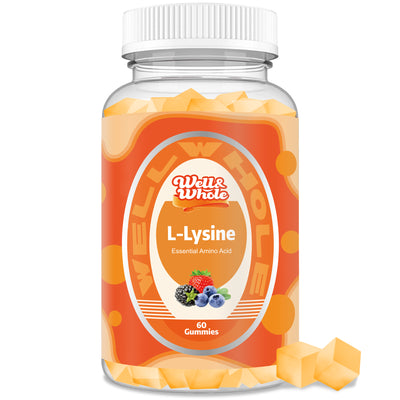
Unlocking the Power of Amino Acid L Lysine Supplement for Optimal Health

Lysine is one of the nine essential amino acids that the human body cannot produce on its own, meaning it must come from food or supplementation. Among the many options on the market, the amino acid L lysine supplement has gained significant attention for its role in immune function, collagen formation, and even stress management. Whether you are an athlete looking to speed up recovery or someone dealing with recurrent cold sores, understanding how this supplement works can make a real difference. At well&whole, we focus on delivering high‑quality lysine supplements that meet strict purity standards, because not all products on the shelf are created equal.
What Is L‑Lysine and Why Does Your Body Need It?
L‑lysine is a building block for protein synthesis and plays a central part in the production of enzymes, hormones, and antibodies. Without adequate lysine, your body cannot efficiently repair tissues or maintain a strong immune barrier. One of its lesser‑known functions is its ability to inhibit the replication of the herpes simplex virus, which explains why many people turn to lysine supplements during outbreaks of cold sores or genital herpes. According to a review published in the Journal of Alternative and Complementary Medicine (2017), oral lysine supplementation at doses of 1,000–3,000 mg per day has been associated with reduced frequency and duration of herpes episodes.
Beyond viral defense, lysine is also a precursor to carnitine, a compound that helps convert fatty acids into energy. This makes it relevant for those engaged in endurance training or anyone looking to support metabolic health. Because lysine is not stored in the body, a consistent intake through diet or supplements is necessary. Foods like red meat, poultry, fish, and dairy are rich in lysine, but vegans and vegetarians may fall short, which brings us to the importance of a reliable vegan lysine supplement.
Summary: L‑lysine is essential for protein synthesis, immune defense, and energy metabolism. Without it, the body cannot repair tissues or control viral outbreaks effectively. A daily lysine intake—whether from food or a supplement—is non‑negotiable for overall health.
Key Health Benefits Backed by Research
Immune Support and Cold Sore Management
One of the most well‑documented benefits of L‑lysine is its effect on the herpes simplex virus. A clinical trial published in Alternative Medicine Review (2005) showed that participants who took 1,000 mg of lysine daily experienced a 50% reduction in outbreak frequency compared to the placebo group. The mechanism involves lysine competing with arginine, an amino acid that the virus needs to replicate. By increasing lysine levels relative to arginine, the virus’s ability to multiply is suppressed.
For individuals who suffer from recurrent cold sores, a daily L‑lysine for cold sores regimen can be particularly effective. Many users report noticeable improvements when they start supplementation at the first sign of tingling. It is worth noting that consistent use—rather than sporadic intake—yields the best results.
Muscle Recovery and Collagen Synthesis
Lysine is also a critical component in the formation of collagen, the structural protein that supports skin, bones, tendons, and ligaments. Athletes and active individuals often use lysine to accelerate post‑workout recovery. A 2019 study in the International Journal of Sport Nutrition and Exercise Metabolism found that lysine supplementation, when combined with other amino acids, improved muscle protein synthesis in older adults. While the study was not exclusive to lysine, the amino acid’s role in tissue repair is well‑established.
Additionally, lysine works alongside vitamin C to enhance collagen cross‑linking, which strengthens connective tissues. This is especially relevant for people recovering from injuries or those with joint concerns.
Stress and Anxiety Reduction
Emerging research suggests that lysine may help modulate stress responses. A study conducted in Syria and published in the American Journal of Clinical Nutrition (2004) observed that lysine‑fortified wheat improved stress and anxiety levels in low‑income households. The proposed mechanism involves lysine acting as a serotonin receptor antagonist, which can reduce the physiological effects of stress. While more research is needed, the preliminary evidence is promising for those seeking a natural approach to stress management.
Summary: L‑lysine supports immune function (especially against herpes viruses), aids in muscle recovery and collagen formation, and may help reduce stress. These benefits make it a versatile supplement for a wide range of health goals. The best time to take lysine supplement is typically on an empty stomach, but it can be taken with food to avoid stomach upset.
Who Should Consider Taking an L‑Lysine Supplement?
Vegans and Vegetarians
Because lysine is most abundant in animal‑based foods, plant‑based diets often fall short. Legumes, nuts, and seeds contain lysine but in lower amounts, and the amino acid profile can be incomplete. A vegan lysine supplement helps fill this gap, ensuring that individuals on plant‑based diets meet their daily requirements without relying on heavily processed foods. At well&whole, our lysine capsules are sourced from non‑GMO fermentation processes, making them suitable for vegans and those with dietary restrictions.
People Prone to Cold Sores or Genital Herpes
As discussed, lysine supplementation can be a game‑changer for those who experience recurrent outbreaks. The key is consistency: taking 500–1,000 mg daily as a preventive measure, and increasing to 2,000–3,000 mg during active outbreaks. Always consult a healthcare provider before adjusting dosage, especially if you have kidney issues or are on other medications.
Athletes and Active Individuals
Anyone engaged in regular intense exercise benefits from the muscle‑repair and collagen‑supporting properties of lysine. It is not a substitute for complete protein, but it can complement a balanced diet to ensure adequate recovery. Some athletes also report improved energy levels due to lysine’s role in carnitine production.
Summary: The primary candidates for lysine supplementation include vegans/vegetarians, individuals with herpes outbreaks, and active individuals needing extra muscle support. However, anyone with a restricted diet or higher‑than‑average physical demands may also benefit.
How to Choose a Quality L‑Lysine Supplement
Not all lysine supplements are the same. Impurities, fillers, and incorrect labeling are common issues in the supplement industry. When selecting a product, look for third‑party testing certifications, transparent ingredient lists, and a reputable manufacturer. well&whole offers a highly bioavailable L‑lysine hydrochloride (HCl) form, which is the most common and well‑absorbed version. Each batch is tested for potency and purity, ensuring you get exactly what the label says.
Check the dosage: most studies use 500–1,000 mg per day for general health, and up to 3,000 mg short‑term for therapeutic purposes. Avoid products with unnecessary additives like magnesium stearate or artificial colors. Also, consider the form—capsules, tablets, or powders. Capsules are convenient for travel, while powders can be mixed into smoothies for those who prefer a flexible option.
Another factor is the source. Some lysine is derived from animal sources (like gelatin), while others are produced via fermentation. For a vegan lysine supplement, fermentation‑based options are the gold standard. well&whole’s lysine is fermented from corn, making it free from animal products and common allergens.
Summary: Prioritize supplements that are third‑party tested, free from unnecessary fillers, and made from a reliable source. well&whole’s L‑lysine HCl capsules meet these criteria, offering a clean, effective option for daily use.
Practical Tips for Taking L‑Lysine
Consistency is more important than dosage timing. However, many users find that taking lysine on an empty stomach enhances absorption. If you experience mild stomach discomfort, take it with a small meal. Avoid taking large amounts of lysine at the same time as high‑arginine foods (like nuts, seeds, and chocolate), as they compete for absorption. Spacing them out by a few hours can improve efficacy.
For those using lysine for cold sores, start supplementation at the first tingle—don’t wait until the blister appears. Combining lysine with a low‑arginine diet may further reduce outbreak frequency. Also, stay hydrated, as lysine is processed through the kidneys.
Summary: Take lysine consistently, preferably on an empty stomach, and avoid high‑arginine foods around the same time. For cold sore management, early intervention is key. well&whole recommends starting with 500 mg daily and adjusting based on your specific needs.
Frequently Asked Questions
1. Can I take L‑lysine every day? Yes, daily supplementation is safe for most adults when taken within recommended doses (500–3,000 mg). Long‑term use at moderate levels (1,000 mg/day) is well tolerated. However, if you have kidney disease or are pregnant, consult your doctor first. well&whole’s lysine is designed for daily use with no known adverse effects when used as directed.
2. What are the potential side effects of lysine supplements? Side effects are rare but can include mild stomach upset, diarrhea, or nausea, especially at high doses. Staying within the 1,000–3,000 mg range minimizes these risks. Some people may experience a temporary increase in arginine cravings, but this usually resolves. If you notice any unusual symptoms, reduce the dosage or consult a healthcare professional.
3. How does well&whole’s L‑lysine compare to other brands? well&whole focuses on purity and bioavailability. Our L‑lysine is derived from non‑GMO fermentation, tested by an independent lab, and free from common allergens (gluten, soy, dairy). We use a clean capsule (hydroxypropyl methylcellulose) suitable for vegans. While many brands use cheap fillers, we prioritize what matters most: delivering an effective, safe supplement that supports your health goals.
These statements have not been evaluated by the Food and Drug Administration. This product is not intended to diagnose, treat, cure, or prevent any disease.