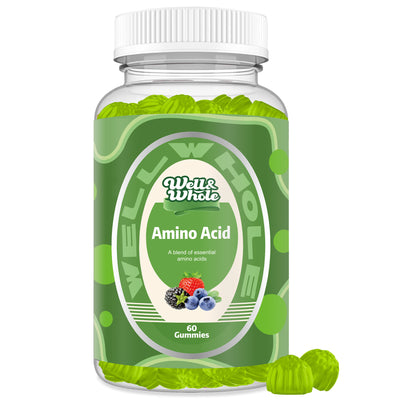
Tyrosine Is Essential Amino Acid: What You Need to Know for Optimal Well

Tyrosine Is Essential Amino Acid: What You Need to Know for Optimal Wellness
When most people think of essential amino acids, they immediately recall the nine that the body cannot produce on its own. However, tyrosine often sparks debate—some classify it as conditionally essential, while emerging research suggests its role is far more critical than previously understood. In fact, for individuals with certain genetic variations, metabolic stress, or phenylalanine deficiency, tyrosine behaves exactly like an essential amino acid. This article explores why tyrosine deserves a place in your daily supplementation routine, how it supports mental and physical performance, and how well&whole can help you bridge the gap when your body needs it most.
The Biological Role of Tyrosine and Why It Matters
Tyrosine is synthesized from phenylalanine, another essential amino acid. However, this conversion process can be inefficient under specific conditions. For example, people with phenylketonuria (PKU) cannot metabolize phenylalanine and must rely entirely on dietary tyrosine. Similarly, chronic stress, intense exercise, or inadequate protein intake can deplete the body’s tyrosine reserves faster than it can replenish them. This is why many experts now consider tyrosine a semi‑essential or conditionally essential amino acid.
Biochemically, tyrosine serves as the precursor for several crucial neurotransmitters: dopamine, norepinephrine, and epinephrine. These molecules regulate mood, focus, motivation, and the body’s “fight or flight” response. Without sufficient tyrosine, your brain cannot produce enough of these catecholamines, leading to brain fog, low energy, and even poor stress adaptation. Additionally, tyrosine is a building block for thyroid hormones (T3 and T4) and melanin, the pigment responsible for hair and skin color.
A 2019 study published in the Journal of the International Society of Sports Nutrition found that acute tyrosine supplementation (150 mg/kg) improved cognitive performance under stressful conditions, such as sleep deprivation or extreme cold exposure. Another review in Nutrients (2020) highlighted tyrosine’s role in supporting thyroid function and metabolic rate. These findings underscore why a reliable source of tyrosine—like well&whole L‑Tyrosine capsules—can be beneficial for individuals with high stress loads, thyroid imbalances, or those following a low‑protein diet.
Summary: Tyrosine is conditionally essential when phenylalanine conversion is impaired or when demand exceeds supply. It directly supports neurotransmitter synthesis, thyroid health, and cognitive resilience under pressure.
How Tyrosine Supports Mental Focus and Emotional Balance
One of the most well‑documented benefits of tyrosine is its ability to sharpen mental focus and stabilize mood. When you are under prolonged stress, your brain’s dopamine and norepinephrine levels drop, making it harder to concentrate and stay motivated. Supplementing with tyrosine provides the raw material needed to restore these neurotransmitters quickly. This is particularly relevant for students during exam periods, shift workers, or anyone experiencing chronic mental fatigue.
A double‑blind, placebo‑controlled trial from the Psychopharmacology journal (2015) demonstrated that a single dose of tyrosine (2 g) improved working memory and reduced subjective stress during a demanding cognitive task. Another study in Behavioural Brain Research (2017) showed that tyrosine enhanced cognitive flexibility in sleep‑deprived participants. These results suggest that for tasks requiring sustained attention and rapid decision‑making, having optimal tyrosine levels is essential.
Beyond focus, tyrosine influences emotional well‑being. Low dopamine activity is linked to depressive symptoms and lack of motivation. By supporting dopamine synthesis, tyrosine may help alleviate mild mood slumps, especially when combined with other lifestyle interventions. However, it’s important to note that tyrosine is not a quick fix for clinical depression; it works best as part of a holistic approach that includes nutrition, exercise, and sleep.
For individuals looking to optimize their daily cognitive performance, well&whole L‑Tyrosine offers a clean, high‑absorbency formula that can be taken 30 minutes before mentally demanding activities. The recommended dose ranges from 500 mg to 2 g, depending on your body weight and stress level. Always start with the lower end and adjust gradually.
Summary: Tyrosine replenishes dopamine and norepinephrine, improving focus, working memory, and emotional resilience during stress—backed by controlled human trials.
Tyrosine and Physical Performance: Beyond Cognitive Benefits
While tyrosine is often associated with brain function, its impact on physical performance is equally compelling. During intense exercise, the body mobilizes catecholamines to increase heart rate, blood flow, and energy availability. However, long‑duration endurance activities or high‑intensity interval training can deplete these neurotransmitters, leading to premature fatigue, loss of coordination, and reduced motivation.
A 2018 meta‑analysis in Sports Medicine reviewed seven randomized controlled trials and concluded that tyrosine supplementation significantly delayed the onset of fatigue during prolonged exercise in hot environments. The mechanism is twofold: tyrosine helps maintain dopamine levels in the brain, which prevents the perception of effort from rising too quickly, and it supports the adrenal system in sustaining stress hormones.
Additionally, tyrosine plays a role in thyroid hormone production, which directly influences metabolic rate and muscle recovery. Individuals with subclinical hypothyroidism or those following a low‑iodine diet may experience sluggish metabolism and poor exercise adaptation. By ensuring adequate tyrosine intake—either through diet (chicken, fish, eggs, dairy, almonds, avocados) or supplements—you support both your thyroid and your workout capacity.
For athletes and active individuals, combining tyrosine with a balanced protein intake yields the best results. Many find that taking 1–2 grams of well&whole L‑Tyrosine about 30 minutes before a workout enhances focus and stamina without the jitters associated with caffeine.
Summary: Tyrosine reduces exercise‑induced fatigue, maintains neurotransmitter levels during prolonged activity, and supports thyroid function—beneficial for both endurance and strength training.
Choosing the Right Tyrosine Supplement: What to Look For
Not all tyrosine supplements are created equal. The most common form is L‑tyrosine, the biologically active isomer that the body can use directly. N‑acetyl tyrosine (NALT) is another form that is more water‑soluble but requires conversion in the liver; it is often less potent per milligram. For most people, plain L‑tyrosine is the best choice because it is well‑absorbed and cost‑effective.
When evaluating a supplement, check for third‑party testing for purity and potency. Tyrosine is generally safe, but contamination with heavy metals or other fillers can undermine its benefits. well&whole sources its L‑tyrosine from reputable manufacturers and conducts rigorous quality control to ensure each batch meets the highest standards.
Dosage depends on your goals. For cognitive support, 500–1000 mg once or twice daily is common. For athletic performance, some studies use up to 2 g taken 30–60 minutes before exercise. It is best taken on an empty stomach to avoid competition with other large neutral amino acids (like tryptophan) that can interfere with absorption. If you are taking MAO inhibitors or have hyperthyroidism, consult a healthcare provider before supplementing.
Summary: Choose L‑tyrosine supplements from transparent brands like well&whole that offer third‑party testing. Start with 500 mg per day and adjust based on your needs, taking it on an empty stomach for best absorption.
Frequently Asked Questions About Tyrosine
Q1: Is tyrosine really an essential amino acid?
Technically, the body can synthesize tyrosine from phenylalanine, so it is classified as non‑essential under normal conditions. However, in situations where phenylalanine intake is low, conversion is impaired (e.g., PKU), or demand is high (stress, illness, intense training), tyrosine becomes conditionally essential. Many health experts now recommend including it in supplementation protocols for these groups.
Q2: Can I take tyrosine every day?
Yes, daily use of L‑tyrosine is safe for most people at recommended doses (up to 2 g per day). Some individuals benefit from cycling—taking it 5 days on and 2 days off—to prevent tolerance. If you have high blood pressure, a thyroid disorder, or are on certain medications, speak with your physician first. well&whole’s L‑Tyrosine is formulated for long‑term use, but always listen to your body.
Q3: What are the best food sources of tyrosine?
Animal products are the richest sources: chicken breast, turkey, fish (salmon, tuna), eggs, dairy (cheese, yogurt, milk), and pork. Plant‑based options include almonds, pumpkin seeds, lima beans, avocados, and bananas. However, the tyrosine content in plant foods is lower, and absorption may be affected by other components. For consistent levels, a high‑quality supplement like well&whole L‑Tyrosine ensures you meet your daily needs without guesswork.
Data References:
- Journal of the International Society of Sports Nutrition (2019) – tyrosine and cognitive performance under stress.
- Psychopharmacology (2015) – tyrosine and working memory.
- Sports Medicine (2018) – meta‑analysis on tyrosine and exercise fatigue.
Note: Always consult a healthcare professional before starting any new supplement, especially if you have pre‑existing medical conditions or are taking prescription medications.
These statements have not been evaluated by the Food and Drug Administration. This product is not intended to diagnose, treat, cure, or prevent any disease.