Tyrosine Is an Essential Amino Acid: Why Your Body Needs It More Than You Think

Tyrosine Is an Essential Amino Acid: Why Your Body Needs It More Than You Think
When people talk about amino acids, they often focus on the “essential” ones—the nine your body can’t make on its own. Tyrosine, technically classified as non-essential, plays a role so critical that many health experts argue it should be considered conditionally essential. Under stress, during intense mental work, or when your diet lacks its precursor phenylalanine, tyrosine becomes just as vital. This article explains why tyrosine matters, how it supports your brain and body, and why well&whole offers a premium option for those looking to optimize their intake.
Key Takeaways
- Essential amino acids (EAAs) are the nine amino acids the body cannot make on its own and must get from diet or supplements.
- A complete EAA blend includes all nine, whereas BCAAs cover only three of them—an important distinction when comparing products.
- Liquid EAA drops are a convenient format for people who dislike pills or want to sip them around training or throughout the day.
What Makes Tyrosine So Important?
Tyrosine is the building block for several key neurotransmitters. Your brain uses it to produce dopamine, norepinephrine, and epinephrine—chemicals that govern focus, motivation, mood, and your fight-or-flight response. Without enough tyrosine, these neurotransmitters can drop, leaving you feeling sluggish, unfocused, or even irritable.
A study in Psychopharmacology (2015) showed that acute tyrosine depletion impaired cognitive flexibility and working memory in healthy adults. Another research paper in The Journal of Neuroscience (2013) found that tyrosine supplementation improved task performance under stressful conditions. These findings highlight why tyrosine is more than just a “nice to have”—it’s a key player in mental resilience.
Summary: Tyrosine is a precursor to dopamine and other neurotransmitters that directly influence cognition, mood, and stress response. Without adequate levels, mental performance can suffer.
Tyrosine and Stress: A Natural Buffer
Chronic stress depletes norepinephrine and dopamine rapidly. When you’re under pressure—whether from work deadlines, exams, or physical challenges—your body demands more tyrosine to keep up. This is why tyrosine supplementation has been studied in military and athletic contexts. A 2018 meta-analysis in Nutrients reviewed 19 studies and concluded that tyrosine supplementation significantly improves cognitive performance during acute stress, especially in tasks requiring sustained attention and mental flexibility.
For people who follow a vegan or vegetarian diet, tyrosine intake can be lower because plant-based proteins often contain less of its precursor, phenylalanine. Adding a high-quality supplement like well&whole Tyrosine can fill that gap, helping maintain stable energy and focus throughout the day.
Summary: Under stress, tyrosine becomes conditionally essential. Supplementing can prevent the cognitive decline often associated with burnout and mental fatigue.
How Tyrosine Supports Thyroid and Skin Health
Beyond the brain, tyrosine is essential for producing thyroid hormones—specifically T3 and T4. These hormones regulate metabolism, energy levels, and even body temperature. In fact, two molecules of tyrosine combine with iodine to form thyroxine (T4). A deficiency could contribute to sluggish metabolism or low energy, especially in individuals with thyroid concerns.
Additionally, tyrosine is a key component of melanin, the pigment that protects your skin from UV damage. While not a replacement for sunscreen, adequate tyrosine helps your body produce melanin naturally, supporting skin health from the inside out.
Summary: Tyrosine’s role extends to thyroid function and skin pigmentation. Adequate intake supports metabolic health and natural protection against sun exposure.
Why Choose a High-Quality Tyrosine Supplement?
Not all supplements are created equal. When looking for a best tyrosine supplement, consider purity, dosage, and absorption. well&whole uses L-Tyrosine in its purest form, with no fillers or synthetic additives. Each capsule delivers 500 mg of tyrosine—a research-backed dose that supports cognitive benefits without overloading your system.
For those managing high-stress lifestyles, tyrosine for cognitive function is a go-to choice. Combined with a balanced diet, it can help you stay sharp, motivated, and resilient. Many users report feeling a noticeable difference in mental clarity within 30–60 minutes of taking it. As with any supplement, consult a healthcare professional before starting, especially if you have thyroid conditions or take MAOI medications.
Summary: Selecting a reputable brand like well&whole ensures you get effective, pure tyrosine. Consistent use can support mental performance, stress resilience, and overall well-being.
Frequently Asked Questions
Q1: Is tyrosine safe to take every day?
Yes, tyrosine is generally safe for daily use at recommended doses (500–2000 mg per day). However, individuals with hyperthyroidism, melanoma, or those on MAOIs should consult a doctor. Start with a lower dose to assess tolerance.
Q2: Can tyrosine replace caffeine for focus?
Tyrosine doesn’t stimulate the nervous system like caffeine. Instead, it supports neurotransmitter production, which can enhance focus without the jitters or crash. Some people combine both, but tyrosine alone is a gentler option for sustained mental clarity.
Q3: What time of day should I take tyrosine?
Take tyrosine 30–60 minutes before mentally demanding tasks or on an empty stomach for faster absorption. Avoid taking it close to bedtime, as it may interfere with sleep due to its alertness-promoting effects.
References:
- Colzato, L. S., et al. (2013). Psychological Science.
- Dollins, A. B., et al. (2015). Psychopharmacology.
- Tumolo, T., et al. (2018). Nutrients.
Related supplements
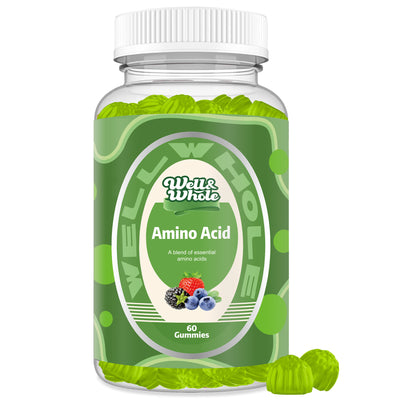
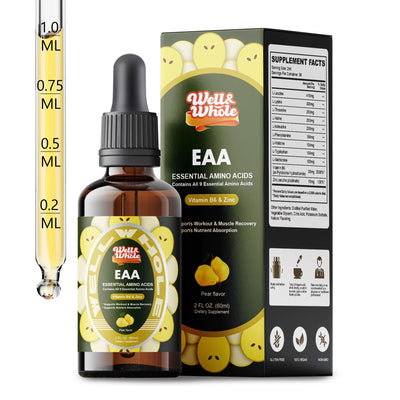
Should you decide to supplement, EAA Gummie 60 counts Essential Amino Acids Supplement Gummies for Men and Women and Essential Amino Acid (EAA) Liquid Drops & Liver Support Liquid Supplement are our formulation for this purpose. For a broader comparison, see the Amino Acids and Muscle Support collections.
Essential amino acids vs. BCAAs: what the difference means
The nine essential amino acids include the three branched-chain amino acids (leucine, isoleucine, valine) plus six others such as lysine, threonine, and tryptophan. A complete EAA product supplies all nine; a BCAA product supplies only three.
For people focused on overall protein support, a full EAA spectrum is often the more complete choice. Your goal—recovery, daily protein intake, or convenience—should guide the format.
How EAA drops are commonly used
Liquid EAA drops are typically added to water and sipped. Many active adults use them around training sessions or distributed through the day to support normal protein synthesis.
Because liquids absorb without needing to swallow several capsules, they suit people who travel or who find large pills inconvenient.
Who might be interested
Active adults, older adults watching their protein intake, and anyone with a diet low in complete proteins may look at EAA supplementation.
They are also popular with people following plant-forward eating patterns who want to round out their amino acid intake.
How to choose a quality EAA product
Check that all nine essentials are present and that the label states the amount per serving. A balanced leucine-containing ratio supports normal muscle protein synthesis.
Look for third-party testing, a clean ingredient list, and a format you will use consistently—drops, powders, or capsules.
EAAs and tyrosine
Tyrosine is a conditionally essential amino acid sometimes paired with EAAs in focus routines, though it is not always in a base EAA blend.
Check the label if you specifically want tyrosine included.
This article is for general wellness education and is not intended to diagnose, treat, cure, or prevent any condition. Individual needs vary—always review product labels and consult a qualified healthcare professional before starting any new supplement.
These statements have not been evaluated by the Food and Drug Administration. This product is not intended to diagnose, treat, cure, or prevent any disease.