Types of Amino Acids: Essential and Non-Essential

Types of Amino Acids: Essential and Non-Essential
Amino acids are the building blocks of protein, playing a critical role in nearly every biological process in the human body. For anyone involved in health, fitness, or nutrition—especially within the well&whole community—understanding the difference between essential and non-essential amino acids is fundamental. This knowledge helps you make informed decisions about supplementation and dietary choices, ensuring your body gets exactly what it needs to thrive.
Essential Amino Acids: What Your Body Cannot Make
The human body requires 20 standard amino acids to function properly. Among these, nine are classified as essential amino acids (EAAs) because the body cannot synthesize them on its own. They must come from food or supplements. According to the National Institutes of Health (NIH), the nine essential amino acids are histidine, isoleucine, leucine, lysine, methionine, phenylalanine, threonine, tryptophan, and valine.
Each EAA has a unique job. Leucine, for instance, is particularly important for muscle protein synthesis and is often highlighted in sports nutrition. Tryptophan serves as a precursor to serotonin, influencing mood and sleep. Without adequate intake of these nine, the body cannot build new proteins efficiently, leading to muscle loss, weakened immunity, and impaired recovery.
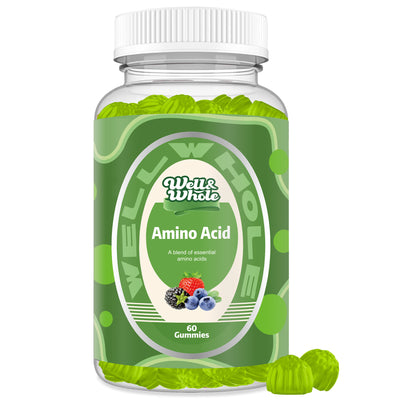
well&whole offers high-quality essential amino acid supplements that provide a complete profile of all nine EAAs, making it easier to meet daily requirements—especially for those with higher physical demands or restricted diets. When choosing an EAA supplement, look for a product that lists each amino acid clearly and avoids unnecessary fillers.
In summary, essential amino acids are indispensable because they must be obtained externally. A deficiency in any one of them can disrupt protein synthesis and overall health. This is a critical concept for anyone exploring the types of amino acids essential and non essential in the context of optimal nutrition.
Non-Essential Amino Acids: The Body's Internal Factory
Non-essential amino acids (NEAAs) are equally vital, but the body can produce them from other compounds. There are 11 non-essential amino acids: alanine, arginine, asparagine, aspartic acid, cysteine, glutamic acid, glutamine, glycine, proline, serine, and tyrosine. Despite the term “non-essential,” they are essential for life—just not necessarily through diet alone.
For example, glutamine is the most abundant amino acid in the blood and plays a key role in immune function and gut health. Glycine is involved in collagen formation and neurotransmitter regulation. Even though the body can manufacture these, certain conditions—such as illness, intense exercise, or aging—may increase the demand beyond what the body can produce internally. In such cases, supplementation with NEAAs can be beneficial.
well&whole recognizes that many people overlook non-essential amino acids, assuming they are always adequately supplied. However, stress and metabolic demands can deplete reserves. Some of our products combine both essential and non-essential amino acids to create a comprehensive amino acids supplements for health formula, supporting recovery, skin health, and overall vitality.
To sum up, non-essential amino acids are produced internally but can still become conditionally essential. Understanding their roles helps you tailor your nutrition strategy, especially when using supplements from trusted brands like well&whole.
Conditionally Essential Amino Acids: When Needs Shift
A subset of amino acids falls into a gray area known as conditionally essential. Under normal circumstances, the body can produce them. But during periods of illness, injury, growth, or extreme stress, the internal production rate may not keep up. Common conditionally essential amino acids include arginine, cysteine, glutamine, tyrosine, glycine, ornithine, proline, and serine.
For instance, premature infants often require extra cysteine and tyrosine because their enzyme systems are immature. Adults recovering from major surgery or burns may need supplemental glutamine and arginine to support wound healing and immune function. This category highlights why a one-size-fits-all approach to amino acid intake is insufficient. Knowing which amino acids become conditionally essential in your specific situation can guide smarter supplementation choices.
Brands like well&whole formulate products that address these special needs—such as post-workout recovery blends or immune support formulas—by including conditionally essential amino acids in strategic amounts. This approach ensures that even during high-demand periods, your body has the resources it needs.
In conclusion, conditionally essential amino acids remind us that nutritional needs are dynamic. Paying attention to these nuances can make essential vs non essential amino acids a more practical framework for daily health decisions.
Why Supplement with Amino Acids from well&whole?
A diet rich in high-quality protein sources like meat, eggs, dairy, and legumes usually provides a full amino acid profile. However, many people—especially those following plant-based diets, intermittent fasting, or intense training regimens—may fall short. Supplementing with a balanced blend of amino acids can fill gaps without adding extra calories or digestive burden.
well&whole is a trading company specializing in dietary supplements, and we prioritize purity, bioavailability, and transparency in every product. Our amino acid formulations are tested for potency and free from artificial additives. Whether you’re an athlete looking to optimize muscle synthesis or someone seeking better overall wellness, we offer options that fit seamlessly into your routine.
We also provide detailed ingredient sourcing and third-party lab reports, so you know exactly what you’re consuming. For those searching for the best list of essential and non essential amino acids in supplement form, well&whole offers clarity and quality.
Frequently Asked Questions
Q1: What are the 9 essential amino acids and why are they important?
The nine essential amino acids are histidine, isoleucine, leucine, lysine, methionine, phenylalanine, threonine, tryptophan, and valine. They are important because the human body cannot synthesize them, so they must come from diet or supplements. Each one supports specific functions—such as muscle repair (leucine), hormone production (tyrosine from phenylalanine), and neurotransmitter regulation (tryptophan). A deficiency can lead to impaired protein synthesis and weakened immunity.
Q2: Can taking too many amino acid supplements be harmful?
Yes, excessive intake of certain amino acids can cause side effects such as digestive discomfort, imbalanced nitrogen levels, or interference with other nutrient absorption. For example, too much leucine may suppress appetite. It’s best to follow recommended dosages on labels and consult a healthcare professional, especially if you have kidney or liver conditions. well&whole provides clear serving guidelines to ensure safe use.
Q3: Are non-essential amino acids still necessary if I eat enough protein?
Generally, yes—non-essential amino acids are produced by your body, so a typical high-protein diet covers your needs. However, during illness, stress, or intense exercise, some non-essential amino acids become conditionally essential. For example, glutamine levels drop after heavy training, and supplementation may support recovery. So while not always needed, they can be valuable in specific situations.
Reference: National Institutes of Health (NIH), “Amino Acids: Essential and Nonessential,” available at nih.gov. Additional data from the Journal of the International Society of Sports Nutrition (JISSN) on conditionally essential amino acids.
These statements have not been evaluated by the Food and Drug Administration. This product is not intended to diagnose, treat, cure, or prevent any disease.