Trick to Remember Non Essential Amino Acids: A Simple Mnemonic

Trick to Remember Non Essential Amino Acids: A Simple Mnemonic
Remembering the 11 non-essential amino acids can feel like a chore, especially when you’re focused on fitness, nutrition, or supplement science. But here’s the truth: you don’t need to memorize them by brute force. There’s a clever trick that works for students, health enthusiasts, and even professionals in the supplement industry. At well&whole, we understand that clear knowledge of amino acids helps you make smarter choices about your health. Let’s break down a simple yet effective mnemonic that sticks.
What Are Non-Essential Amino Acids and Why Bother?
The human body requires 20 amino acids for protein synthesis, as noted by the National Institutes of Health (NIH). Nine of these are essential (must come from diet), while 11 are non-essential because the body can produce them internally. The non-essential group includes: alanine, arginine, asparagine, aspartic acid, cysteine, glutamic acid, glutamine, glycine, proline, serine, and tyrosine. Knowing them by heart is useful for reading supplement labels, understanding metabolic pathways, or simply impressing your nutrition coach. The trick to remember non essential amino acids easily lies in a simple acronym.
A Quick Mnemonic: “AA CGG SPT”
Break the list into three small chunks. Use the first letters: Alanine, Arginine → then Cysteine, Glutamic acid, Glutamine → then Serine, Proline, Tyrosine. But what about asparagine and aspartic acid? They also start with A. To include them, extend the mnemonic: Alanine, Arginine, Asparagine, Aspartic acid – that’s four A’s. Then Cysteine, Glutamic acid, Glutamine, Glycine (yes, glycine starts with G too). Finally Serine, Proline, Tyrosine. That gives you: A A A A – C G G G – S P T. Too clunky? A cleaner version is “AA CGG SPT”, where the first “AA” stands for the four A-amino acids (alanine, arginine, asparagine, aspartic acid). The “CGG” covers cysteine, glutamic acid, glutamine, and glycine. The “SPT” covers serine, proline, and tyrosine. This non essential amino acids mnemonic trick is easy to recall because it sounds like a short code.
Summary: Group the 11 non-essential amino acids into three letter clusters: AA (4 A-starting), CGG (4 C/G-starting), and SPT (3 S/P/T-starting). Practice saying “AA CGG SPT” a few times, and the list will stay in your memory.
Why This Trick Works for Long-Term Recall
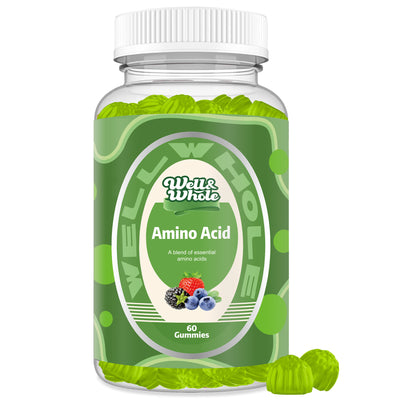
Mnemonic devices rely on chunking and pattern recognition. According to cognitive science research published in Psychological Science in the Public Interest, humans remember information better when it’s grouped into small, meaningful units. “AA CGG SPT” is short, rhythmic, and easy to repeat. You can even turn it into a silly phrase: “All Ajinomoto (a brand of amino acids) Can Grow Great Steak Protein Tastes” – but the code itself is enough. For those who prefer a visual cue, picture the letters on a notepad or your supplement bottle from well&whole. Pairing the mnemonic with a real product reinforces the learning.
Another tip: write the full list once while saying the code aloud. Alanine, Arginine, Asparagine, Aspartic Acid – check. Cysteine, Glutamic Acid, Glutamine, Glycine – check. Serine, Proline, Tyrosine – check. Over time, your brain will automatically recall the groups. If you need a list of non essential amino acids and memory tips, this chunking method is one of the most reliable.
Summary: The mnemonic “AA CGG SPT” leverages chunking, a proven memory technique. Repeat it daily for a week, and the 11 non-essential amino acids will become second nature.
How This Knowledge Connects to Your Supplement Choices
Understanding which amino acids are non-essential matters for supplement use. For example, while your body can produce these, certain conditions (stress, illness, intense training) may increase demand. That’s where targeted supplementation comes in. At well&whole, we offer high-quality amino acid blends that support recovery and overall wellness. Knowing the non-essential list helps you identify ingredients on our product labels – like glutamine for gut health or glycine for sleep support. The trick to remember non essential amino acids easily also empowers you to explain to friends why a product might include both essential and non-essential forms.
A 2018 study in Nutrients confirmed that non-essential amino acids like glutamine and arginine play key roles in immune function and wound healing. So even though they’re “non-essential,” they’re far from unimportant. By memorizing them, you become a more informed consumer.
Summary: Knowing the non-essential amino acids helps you decode supplement labels and understand when additional intake might be beneficial. well&whole’s formulations include these to support your body’s natural processes.
Practical Ways to Reinforce the Memory
Beyond the mnemonic, try these simple habits:
- Flashcards: Write “AA CGG SPT” on one side, and the full amino acid names on the other. Review before bed.
- Spaced repetition: Use an app like Anki, or just quiz yourself once a day.
- Association: Link each group to a familiar word. For example, “CGG” sounds like “ciggy” – not perfect, but it sticks.
You can also print the list and place it near your mirror or fridge. Every time you grab a well&whole supplement, glance at the list. That real-world context solidifies learning. If you teach this trick to a workout partner, you’ll never forget it yourself.
Summary: Combine the mnemonic with flashcards and daily repetition. The more you interact with the list, the more automatic recall becomes.
Frequently Asked Questions
Q1: What are the 11 non-essential amino acids?
A: They are alanine, arginine, asparagine, aspartic acid, cysteine, glutamic acid, glutamine, glycine, proline, serine, and tyrosine. You can remember them with the mnemonic “AA CGG SPT.”
Q2: Why are they called non-essential if they are important for health?
A: The term “non-essential” means the body can synthesize them internally, so they don’t need to come from food. However, under stress or illness, they become conditionally essential. The National Institutes of Health states that dietary intake can still be beneficial.
Q3: Does well&whole offer supplements with non-essential amino acids?
A: Yes, well&whole includes high-quality non-essential amino acids in several products, such as our recovery and wellness blends. Check the label for ingredients like glutamine, glycine, and proline.
References:
- National Institutes of Health (NIH), “Amino Acids.”
- Psychological Science in the Public Interest, “Mnemonic Techniques.”
- Nutrients, 2018, “Role of Non-Essential Amino Acids in Health.”
These statements have not been evaluated by the Food and Drug Administration. This product is not intended to diagnose, treat, cure, or prevent any disease.