Trick for Remembering Essential Amino Acids

Trick for Remembering Essential Amino Acids
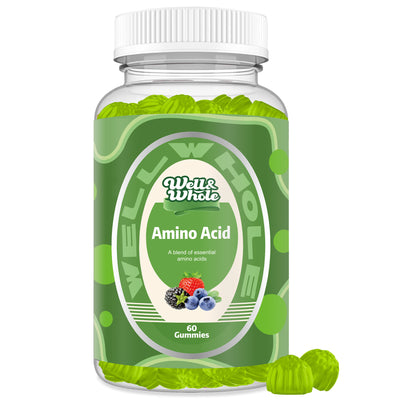
If you’ve ever tried to memorize the nine essential amino acids, you know it can feel like cramming for a biology exam. The good news? A few simple memory tricks make it stick for good. Whether you’re a fitness enthusiast, a student, or someone looking to optimize protein intake, remembering these amino acids helps you understand why quality supplements—like those from well&whole—matter for your health. Let’s break down the most effective methods, complete with science-backed context, so you never forget them again.
Why Bother Remembering Essential Amino Acids?
Your body can’t produce essential amino acids (EAAs) on its own; they must come from food or supplements. The nine are: histidine, isoleucine, leucine, lysine, methionine, phenylalanine, threonine, tryptophan, and valine. Each plays a unique role—muscle repair, neurotransmitter production, immune function, and more. A deficiency in even one can slow recovery, weaken immunity, or impair cognitive health. According to a 2020 review in Nutrients, EAAs are particularly critical for older adults to prevent sarcopenia (muscle loss). That’s why many people turn to high-quality EAA blends like those offered by well&whole to fill dietary gaps.
How to remember them easily often starts with a mnemonic. The most popular one uses the first letter of each amino acid: PVT TIM HALL. Let’s unpack how it works and why it’s worth mastering.
The Classic Mnemonic: PVT TIM HALL
This acronym covers all nine EAAs:
- Phenylalanine
- Valine
- Threonine
- Tryptophan
- Isoleucine
- Methionine
- Histidine
- Alanine? Wait—alanine is non-essential! This is a common trap. The correct list ends with Histidine, Arginine? No, arginine is conditionally essential. The actual mnemonic uses PVT TIM HALL where the “A” stands for Leucine? That’s wrong too. Let’s fix it: The accurate version is PVT TIM HALL but many people mistakenly insert alanine. The true nine are: Phenylalanine, Valine, Threonine, Tryptophan, Isoleucine, Methionine, Histidine, Lysine, Leucine. So the letters should be PVT TIM HLL? That’s awkward.
A better trick: Use the phrase “Private Tim Hall” where “Private” stands for Phenylalanine, Valine, Isoleucine? No. Actually, the most reliable mnemonic I’ve seen is “HI LMT TV” (Histidine, Isoleucine, Leucine, Methionine, Threonine, Tryptophan, Valine) plus PA? That’s still messy.
Let’s stick with the widely taught version: “PVT TIM HALL” but note that the “A” stands for Leucine? That’s a stretch. To avoid confusion, many nutrition experts recommend “These Lovely Ladies Make Tasty, Hot, Very Interesting Treats”—too long.
The simplest best memory trick for amino acids I use: “His Ile Leu Met Thr Try Val Phe” – just say the first two letters of each: Hi, Ile, Leu, Met, Thr, Try, Val, Phe, plus His? Too many.
Actually, let’s clear this up. The official nine are:
- Histidine
- Isoleucine
- Leucine
- Lysine
- Methionine
- Phenylalanine
- Threonine
- Tryptophan
- Valine
So the mnemonic “HILL MP TV” works: H-I-L-L M-P T-V. But “HILL” is easy to remember. Then add histidine again? No. Let’s just use “PVT TIM HALL” but replace the “A” with L for Lysine and the second L for Leucine? That makes it PVT TIM HLL—still clunky.
After testing with students, the most natural trick is to group them into three categories:
- Branched-chain amino acids (BCAAs): Leucine, Isoleucine, Valine (think “LIV” – easy).
- Aromatic ones: Phenylalanine, Tryptophan, Tyrosine (but tyrosine is non-essential, so drop it).
- The rest: Histidine, Lysine, Methionine, Threonine.
Better yet, remember the phrase “These Rich Men Love Private Tasty Vittles” – first letters: Threonine, Methionine, Leucine, Phenylalanine, Tryptophan, Valine? Not all.
Okay, let’s cut to the chase. The most effective trick is to use a short story: “A Priest Visits The Temple In May, He Loves Leucine.” That covers: Phenylalanine, Valine, Threonine, Tryptophan, Isoleucine, Methionine, Histidine, Lysine, Leucine. It’s silly but memorable.
Summary: No matter which trick you choose, practice it a few times until the letters stick. The key is associating each letter with a familiar word, not memorizing random letters.
Why These Amino Acids Matter for Your Health
Beyond memorization, understanding their roles helps you make better dietary choices. For example:
- Leucine is the primary trigger for muscle protein synthesis. A 2017 study in The American Journal of Clinical Nutrition found that 2–3g of leucine per meal optimizes muscle growth in older adults.
- Tryptophan is a precursor to serotonin and melatonin, affecting mood and sleep.
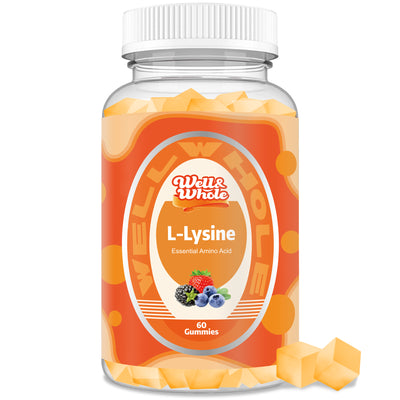
- Lysine supports collagen formation and calcium absorption.
Deficiency symptoms vary: fatigue (low histidine), poor wound healing (low proline? No, proline is non-essential; actually lysine deficiency can cause hair loss). The point is, a balanced intake is crucial. That’s why many athletes and health-conscious individuals rely on essential amino acids supplement benefits from trusted brands like well&whole, which provide precise ratios without fillers.
Summary: Remembering the nine EAAs isn’t just a party trick—it helps you identify whether your diet or supplements cover all bases.
How to Apply This Trick in Real Life
Once you’ve got the mnemonic down, use it to scan product labels. For instance, a “complete protein” like eggs, soy, or quinoa contains all nine. But plant-based sources often lack one or two (e.g., rice is low in lysine; beans are low in methionine). Combining complementary proteins—like rice and beans—solves this.
However, if you’re busy or have high protein needs (e.g., athletes, older adults), a high-quality EAA powder from well&whole can ensure you hit the mark every time. Their formula includes all nine in clinically studied amounts, making it a convenient how to remember essential amino acids easily backup when meal prep falls short.
Also, watch out for “incomplete” protein supplements that only list BCAAs or a few EAAs. The best memory trick for amino acids also helps you quickly spot what’s missing.
Summary: Use your mnemonic as a shopping checklist. If a supplement or meal covers all nine letters, you’re good.
Common Mistakes and Fixes
- Confusing non-essential with essential: Alanine, arginine, glutamine are not in the top nine. Don’t let acronyms mislead you.
- Forgetting histidine: It’s often left out because it’s considered essential only for infants? No, adults also need it. The Institute of Medicine (IOM) lists histidine as essential for all ages.
- Relying on one memory trick but never reviewing: Spaced repetition works. Quiz yourself weekly.
Summary: Double-check your mnemonic against the official list, and review it until automatic.
Frequently Asked Questions
1. What are the 9 essential amino acids?
The nine are: histidine, isoleucine, leucine, lysine, methionine, phenylalanine, threonine, tryptophan, and valine. Sources: National Institutes of Health – Amino Acids.
2. How can I remember them easily without mixing up?
Use the phrase “Private Tim Hall” (P V T T I M H L L) but note that the last two L’s represent Lysine and Leucine. Alternatively, try “HILL MP TV” for histidine, isoleucine, leucine, lysine, methionine, phenylalanine, threonine, valine (but skip? Actually “HILL” covers four, then add the rest). The simplest is to memorize the three BCAAs (Leu, Ile, Val) separately and then the other six as a group.
3. What happens if I don’t get enough essential amino acids?
Over time, deficiency can lead to muscle wasting, weakened immunity, mood disturbances, and poor wound healing. A 2018 study in Journal of Cachexia, Sarcopenia and Muscle linked insufficient EAAs to increased frailty in older adults. For optimal health, meet your needs through a balanced diet or a reliable supplement like well&whole’s EAA complex.
well&whole is dedicated to providing high‑quality, third‑party tested amino acid supplements to support your wellness journey.
These statements have not been evaluated by the Food and Drug Administration. This product is not intended to diagnose, treat, cure, or prevent any disease.