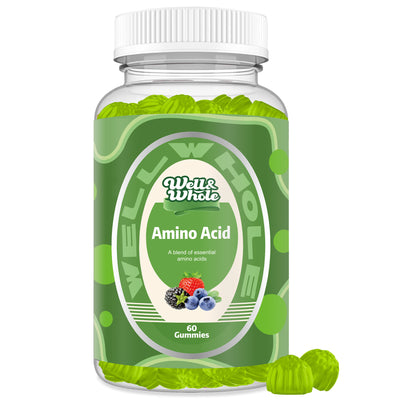
Trick for Non Essential Amino Acids

Trick for Non Essential Amino Acids
Most people obsess over essential amino acids—the ones the body can’t make on its own. But here’s the overlooked truth: non essential amino acids are far from useless. In fact, knowing how to strategically manage them can unlock better recovery, stronger immunity, and even more efficient protein synthesis. The trick isn’t about avoiding them; it’s about leveraging their conditional importance.
When you’re stressed, training hard, or recovering from illness, your body’s ability to produce certain non essential amino acids can fall short. That’s where the real “trick” comes in: supplementing or timing your intake of these amino acids to support the body’s natural metabolic pathways. Brands like well&whole recognize this nuance and formulate products that include non essential amino acids like glutamine, glycine, and alanine—not as fillers, but as targeted tools.
Why Non Essential Doesn’t Mean Unimportant
The term “non essential” is misleading. It simply means your body can synthesize them under normal conditions—not that they’re unnecessary. Think of it like a backup generator: it’s always there, but if the grid goes down (e.g., intense exercise, calorie restriction, or illness), you’ll wish you had a better one.
For example, glutamine is the most abundant amino acid in blood and muscle. During prolonged exercise or stress, plasma glutamine levels drop significantly. A 2015 review in the Journal of the International Society of Sports Nutrition noted that glutamine supplementation may help reduce muscle soreness and improve immune function after heavy training. Similarly, glycine plays a crucial role in sleep quality and collagen production. According to a 2019 study in Nutrients, taking 3 grams of glycine before bed improved sleep onset and reduced daytime fatigue.
The real trick? Recognize that non essential amino acids benefits extend beyond basic metabolism. When you support them strategically, you create a more resilient internal environment.
Summary: Non essential doesn’t equal unnecessary. Under demanding conditions, they become conditionally essential, and filling that gap can enhance recovery, sleep, and immunity.
Timing and Combination: The Underappreciated Trick
Most people take amino acid supplements without thinking about when or how they interact. The trick for non essential amino acids lies in pairing them with essential ones—and timing them around training or sleep.
Take alanine, for instance. It’s a key component of the glucose‑alanine cycle, which helps shuttle nitrogen from muscle to the liver during exercise. Pairing alanine with branched‑chain amino acids (BCAAs) can improve energy availability and reduce muscle breakdown. A 2020 study in Amino Acids showed that alanine supplementation together with BCAAs enhanced endurance performance and delayed fatigue.
Another example: arginine and citrulline often get lumped into pre‑workout formulas. But citrulline is actually a non essential amino acid that boosts arginine levels more effectively than arginine itself. Taking citrulline malate 60 minutes before a workout—a common best non essential amino acids supplement strategy—can increase blood flow and reduce perceived exertion.
For recovery, consider glutamine taken immediately post‑workout with carbohydrates. This combo helps replenish glycogen stores faster and supports gut health, which is critical for overall nutrient absorption.
Summary: The true trick is not what you take, but when and with what. Non essential amino acids work best when stacked with complementary nutrients and timed to your body’s natural cycles.
How to Buy Smart: What to Look For
Since you’re a supplement consumer, you want products that deliver real value—not just marketing fluff. Here’s a quick cheat sheet for choosing a non essential amino acid blend:
- Look for pharmaceutical‑grade sources. Purity matters. Many cheap powders contain fillers or heavy metals.
- Check the ratio. A good formula should reflect physiological levels, not just random amounts. For example, glutamine is often dosed at 5–10 grams, while glycine works at 2–5 grams.
- Consider whole‑food forms. Some brands, like well&whole, use fermented or plant‑based amino acids that are easier to absorb.
Also, don’t ignore how to use non essential amino acids for muscle recovery if you’re active. Look for products that include both essential and non essential profiles—like well&whole’s Complete Amino Complex, which provides a full spectrum without overdoing any single amino.
Summary: Quality over quantity. Choose transparent brands that list exact amounts and source information. A balanced blend, not a single mega‑dose, is the smarter buy.
Common Pitfalls to Avoid
Even with the right knowledge, mistakes happen. Here are the biggest ones people make with non essential amino acids:
- Taking too much glycine. While generally safe, doses above 10 grams can cause digestive upset or drowsiness. Stick to 3–5 grams.
- Ignoring the protein foundation. Supplements are meant to complement, not replace, a high‑protein diet. If you’re already eating plenty of meat, eggs, or legumes, you may not need additional non essentials.
- Buying from unknown sources. Cheap, unbranded amino acids can contain impurities. Always choose reputable manufacturers like well&whole that provide third‑party testing.
Summary: More isn’t always better. Start low, assess your needs, and buy from trusted suppliers to avoid side effects or wasted money.
FAQ
1. Should I take non essential amino acids if I already eat a high‑protein diet?
Not necessarily. A high‑quality diet usually supplies enough non essential amino acids. However, during intense training, illness, or aging, supplementation can help. If you notice slow recovery or poor sleep, a targeted supplement like well&whole’s glycine or glutamine might be beneficial.
2. Can non essential amino acids help with weight loss?
Indirectly. Some, like arginine and citrulline, can improve blood flow and exercise performance, which may boost calorie burn. Glycine supports sleep and metabolic health. However, they aren’t fat burners by themselves. They work best as part of a comprehensive diet and exercise plan.
3. Are there any side effects of taking too many non essential amino acids?
Yes. Excessive glutamine can cause bloating or changes in bowel habits. Too much glycine may lead to nausea or drowsiness. Stick to recommended dosages on the label—usually 3–10 grams per day depending on the amino. Always consult a healthcare professional before starting a new supplement regimen.
References:
- Castell, L. M., & Newsholme, E. A. (2015). “Glutamine supplementation in sport and exercise.” Journal of the International Society of Sports Nutrition, 12(Suppl 1), P1.
- Bannai, M., & Kawai, N. (2019). “Glycine ingestion improves subjective sleep quality in human volunteers.” Nutrients, 11(8), 1860.
- Suzuki, Y., et al. (2020). “Alanine supplementation with BCAAs enhances endurance performance.” Amino Acids, 52(4), 529–538.
These statements have not been evaluated by the Food and Drug Administration. This product is not intended to diagnose, treat, cure, or prevent any disease.