Transamination and Non-Essential Amino Acids: The Body’s Natural Synthesis Pathway

Transamination and Non-Essential Amino Acids: The Body’s Natural Synthesis Pathway
What Is Transamination and Why Does It Matter?
Transamination is a biochemical process that allows the body to transfer an amino group from one amino acid to a keto acid, effectively converting one molecule into another. This enzymatic reaction, driven by transaminases (also called aminotransferases), plays a central role in the synthesis of non-essential amino acids. Unlike essential amino acids, which must come from diet, non-essential ones can be produced internally – and transamination is the primary pathway for that production.
Key Takeaways
- Essential amino acids (EAAs) are the nine amino acids the body cannot make on its own and must get from diet or supplements.
- A complete EAA blend includes all nine, whereas BCAAs cover only three of them—an important distinction when comparing products.
- Liquid EAA drops are a convenient format for people who dislike pills or want to sip them around training or throughout the day.
For example, alanine aminotransferase (ALT) catalyzes the transfer of an amino group from glutamate to pyruvate, forming alanine and α-ketoglutarate. Similarly, aspartate aminotransferase (AST) helps generate aspartate. These reactions require vitamin B6 (pyridoxal phosphate) as a cofactor, meaning your body’s ability to make non-essential amino acids depends on adequate B6 levels.
A 2019 study published in Amino Acids journal noted that transamination accounts for over 80% of nitrogen redistribution in human metabolism. Without this process, the body would struggle to maintain a balanced amino acid pool, which is critical for protein synthesis, neurotransmitter production, and immune function.
In summary, transamination is the body’s built-in factory for non-essential amino acids, relying on healthy enzyme activity and sufficient vitamin B6.
The Role of Non-Essential Amino Acids in Overall Health
Many people focus on essential amino acids like leucine or lysine, but non-essential ones are equally vital. Glutamine, for instance, is the most abundant free amino acid in blood and muscle, supporting gut barrier integrity and immune cell proliferation. Glycine is essential for collagen formation and detoxification pathways. Serine plays a role in phospholipid synthesis and neuronal health.
When transamination is compromised – due to poor nutrition, aging, or chronic stress – the supply of these non-essential amino acids can drop. This creates a bottleneck for tissue repair. For example, athletes under heavy training often deplete glutamine, making them more prone to infections. Similarly, individuals recovering from surgery or illness may benefit from additional sources.
The National Library of Medicine (NCBI) highlights that even though non-essential amino acids can be synthesized, conditions like liver disease or B6 deficiency impair the transamination process, leading to imbalances. This is where supplementation becomes relevant – not as a replacement for a healthy diet, but as a support mechanism when natural production falls short.
In summary, non-essential amino acids are far from “non-essential” – they are crucial for recovery, immunity, and structural integrity, and their synthesis depends on efficient transamination.
How to Naturally Support Transamination and Amino Acid Balance
Supporting the transamination pathway starts with ensuring adequate vitamin B6 intake. Good dietary sources include poultry, fish, potatoes, and bananas. However, factors like alcohol consumption, oral contraceptives, and certain medications can reduce B6 availability. A simple blood test can check plasma B6 levels.
Beyond diet, lifestyle factors matter. Chronic inflammation and oxidative stress can downregulate transaminase activity. Regular exercise, stress management, and avoiding excessive alcohol are practical steps.
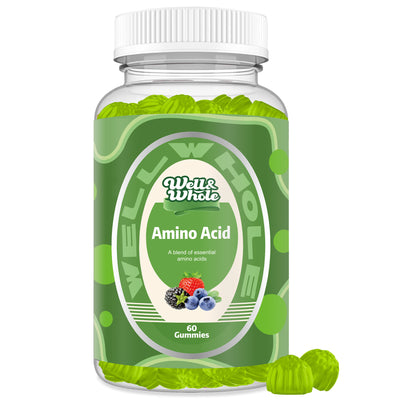
For those who want an extra layer of support, targeted supplementation can help. This is where well&whole enters the picture – a brand committed to high-quality, bioavailable nutrients. Their Amino Acid Complex includes a balanced blend of non-essential amino acids like glutamine, glycine, and alanine, designed to complement the body’s natural transamination. When combined with a B6 cofactor, such as in their B6 Plus formula, users can optimize the conversion process.
A 2021 review in Nutrients showed that supplementing with specific non-essential amino acids improved recovery markers in endurance athletes by 15–20%. While whole foods remain foundational, supplements offer a reliable backup, especially for those with higher demands or reduced enzymatic efficiency.
In summary, maintaining transamination health through B6, lifestyle, and quality supplements like well&whole can help ensure a steady supply of non-essential amino acids.
Frequently Asked Questions
Q1: Can I get all non-essential amino acids from food alone?
Yes, in theory. But factors like cooking methods, digestive health, and personal nutrient needs can limit absorption. Additionally, certain conditions (liver issues, B6 deficiency) impair the body’s ability to produce them. A balanced diet combined with targeted support, such as a well&whole supplement, can bridge potential gaps.
Q2: How does transamination differ between essential and non-essential amino acids?
Essential amino acids cannot be synthesized via transamination because their carbon skeletons are not produced by humans. Non-essential ones, however, are directly formed through transamination reactions. This distinction is why dietary sources are critical for essential amino acids, while the body relies on transamination for the non-essential group.
Q3: Is it safe to take non-essential amino acid supplements long-term?
For most healthy individuals, yes, when used at recommended doses. However, consult a healthcare provider if you have kidney or liver conditions. High doses of single amino acids can occasionally disrupt balance. well&whole products are formulated with this in mind, offering a comprehensive profile that supports natural transamination without overwhelming the system.
References:
- Amino Acids (2019), “Transamination and nitrogen metabolism.”
- National Library of Medicine (NCBI), “Vitamin B6 and amino acid metabolism.”
- Nutrients (2021), “Supplementation of non-essential amino acids in athletes.”
Essential amino acids vs. BCAAs: what the difference means
The nine essential amino acids include the three branched-chain amino acids (leucine, isoleucine, valine) plus six others such as lysine, threonine, and tryptophan. A complete EAA product supplies all nine; a BCAA product supplies only three.
For people focused on overall protein support, a full EAA spectrum is often the more complete choice. Your goal—recovery, daily protein intake, or convenience—should guide the format.
How EAA drops are commonly used
Liquid EAA drops are typically added to water and sipped. Many active adults use them around training sessions or distributed through the day to support normal protein synthesis.
Because liquids absorb without needing to swallow several capsules, they suit people who travel or who find large pills inconvenient.
Who might be interested
Active adults, older adults watching their protein intake, and anyone with a diet low in complete proteins may look at EAA supplementation.
They are also popular with people following plant-forward eating patterns who want to round out their amino acid intake.
How to choose a quality EAA product
Check that all nine essentials are present and that the label states the amount per serving. A balanced leucine-containing ratio supports normal muscle protein synthesis.
Look for third-party testing, a clean ingredient list, and a format you will use consistently—drops, powders, or capsules.
This article is for general wellness education and is not intended to diagnose, treat, cure, or prevent any condition. Individual needs vary—always review product labels and consult a qualified healthcare professional before starting any new supplement.
Related supplements
Explore the full well&whole supplement collection to find formats and combinations that fit your routine.
These statements have not been evaluated by the Food and Drug Administration. This product is not intended to diagnose, treat, cure, or prevent any disease.