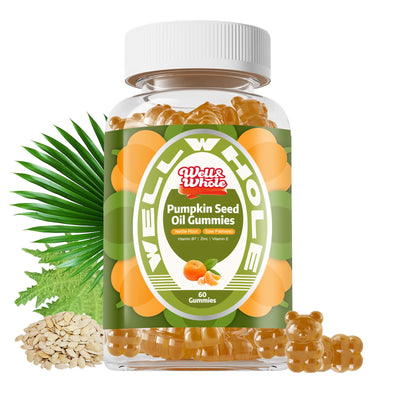
topical pumpkin seed oil for hair growth

Topical Pumpkin Seed Oil for Stronger, Fuller Hair
As consumers look for gentler, plant-based ways to care for thinning hair, topical pumpkin seed oil is getting more attention from both beauty brands and health-focused companies. At well&whole, a global dietary supplement and wellness ingredient partner, we’ve watched demand for pumpkin seed oil rise as more people connect scalp health, nutrition, and hair density.
In this guide, you’ll learn how pumpkin seed oil may support hair growth when used on the scalp, how it compares with other natural options, and what to look for if you’re sourcing it as a finished product or raw material.
What Makes Pumpkin Seed Oil Interesting for Hair?
Pumpkin seed oil is pressed from the seeds of the pumpkin and is naturally rich in fatty acids, vitamin E, and plant compounds known as phytosterols. These nutrients are the starting point for many of the claims around hair strength and scalp comfort.
Several mechanisms are often discussed:
- Nourishing fatty acids – Linoleic and oleic acids help support the scalp’s moisture barrier, which may reduce dryness and flaking that can interfere with healthy hair growth.
- Antioxidant support – Vitamin E and other antioxidants help neutralize free radicals that can stress hair follicles and scalp tissue.
- Phytosterols and DHT – Some research suggests pumpkin seed oil may help modulate 5‑alpha‑reductase, the enzyme involved in producing DHT, a hormone associated with certain types of hair thinning.
While most early data comes from oral supplementation studies, these mechanisms are also relevant to topical pumpkin seed oil for hair growth, especially when the oil is applied consistently and massaged into the scalp.
From an industry standpoint, well&whole sees pumpkin seed oil as a bridge between cosmetic hair care and nutritional support. It fits clean-label trends, works in both leave‑on and wash‑off formulas, and pairs well with other botanical extracts used in natural hair growth remedies.
In short, pumpkin seed oil offers a credible, science‑aligned base for products positioned around scalp nourishment, natural DHT support, and long‑term hair density — three themes that map neatly onto long‑tail searches such as “natural hair growth oils for thinning hair,” “best oils for hair fall and regrowth,” and “pumpkin seed oil for hair follicle health.”
How Topical Pumpkin Seed Oil May Support Hair Growth
Topical use means applying a product directly onto the scalp or hair shafts. With pumpkin seed oil, the most common goal is to create a friendlier environment for follicles so they can produce thicker, more resilient strands over time.
Key ways it may help:
-
Scalp circulation and absorption
Massaging pumpkin seed oil into the scalp can stimulate local blood flow. Better circulation means more oxygen and nutrients reach the hair roots, especially if the formula also includes supportive actives like caffeine, biotin, or rosemary extract. -
Reducing dryness and micro‑irritation
A dry, tight, or flaky scalp can lead to itching, scratching, and low‑grade inflammation. The emollient nature of pumpkin seed oil helps soften the scalp and maintain moisture, which may reduce irritation that can disrupt the hair growth cycle. -
Protecting hair shafts
The oil coats the hair strands, helping to reduce friction and breakage during combing or styling. Less breakage means hair appears fuller and thicker, even before new growth becomes visible.
For brands and distributors, the appeal lies in being able to talk about all of this within a clean, recognizable ingredient story. As a B2B partner, well&whole often works with buyers who want to combine topical pumpkin seed oil with clinically backed actives and high‑value botanicals to formulate scalp serums for thinning hair, DHT‑blocking hair oils, or natural hair growth serums for women and men.
Overall, the role of topical pumpkin seed oil is to support the scalp environment: better moisture, calmer skin, and protected strands — all foundations for healthier, more robust hair growth over the long term.
How to Use Pumpkin Seed Oil on the Scalp
From the end user’s perspective, pumpkin seed oil is easy to integrate into a hair routine. From a product development perspective, ease of use translates into better compliance and more visible results.
A simple application pattern looks like this:
-
Pre‑shampoo treatment
Apply a small amount of pumpkin seed oil or a blended scalp serum to the roots, focusing on thinning areas. Massage for 3–5 minutes, leave on for 30–60 minutes, then shampoo as usual. -
Leave‑in scalp serum
Use a lightweight formula that combines pumpkin seed oil with faster‑absorbing carrier oils or esters. Apply a few drops to the scalp on clean, towel‑dried hair, then style as normal. -
Overnight treatment
For very dry scalps, an overnight mask can be effective. Apply, cover with a soft cap or towel, and wash out in the morning.
For many consumers, consistency is more important than intensity. Light, regular use two to four times per week is typically more sustainable than occasional heavy applications. Brands that communicate simple routines and realistic timelines — usually 3–6 months for visible changes — tend to build more trust and better long‑term customer retention.
That’s why well&whole supports partners not only with ingredients, but also with usage guidance, claim language support, and educational content that aligns with searches like “how to use pumpkin seed oil for hair loss,” “overnight pumpkin seed oil hair treatment,” and “scalp massage oil for hair regrowth.”
In practice, the best way to use topical pumpkin seed oil for hair growth is with a light, regular routine, clear expectations, and a formula that absorbs well enough to invite daily or near‑daily use without leaving the hair heavy or greasy.
Choosing High‑Quality Pumpkin Seed Oil for Hair Products
Not all pumpkin seed oils are the same. For professional buyers, manufacturers, and private‑label brands, quality and consistency directly affect product performance and consumer perception.
Important factors to consider:
-
Source and variety
Pumpkin seed oil characteristics vary by region and seed type. Authentic, food‑grade oil from trusted agricultural partners supports both safety and traceability claims. -
Extraction method
Cold‑pressed or gently refined oils retain more of the natural antioxidants and phytosterols linked to hair and scalp benefits. Over‑refining can reduce the very compounds that make pumpkin seed oil attractive in the first place. -
Purity and testing
Third‑party testing for oxidation markers, contaminants, and microbiological safety is essential, especially for products used on sensitive scalp skin. -
Formulation compatibility
Viscosity, color, and aroma should match the final product concept. Strongly aromatic oils might be ideal for rich night treatments, while lighter, neutral oils work better in daily serums or shampoos.
As a trade company focused on health and wellness ingredients, well&whole supports partners with supply chain transparency, quality documentation, and formulation input. That allows brands to confidently position their products around “premium pumpkin seed oil for hair care formulations,” “cold‑pressed pumpkin seed oil serum,” and “clean‑label hair growth oil ingredients.”
Ultimately, choosing a high‑quality pumpkin seed oil means selecting a raw material that is safe, consistent, and rich in the bioactive compounds your marketing story depends on — a critical link between product claims and real‑world consumer experience.
Combining Pumpkin Seed Oil with Other Hair Growth Strategies
Pumpkin seed oil works best as part of a broader, holistic approach to hair wellness. Many consumers already understand that hair reflects overall health, which opens the door to pairing topical care with internal support.
Common, complementary strategies include:
-
Nutritional supplementation
Combining a topical pumpkin seed oil serum with oral supplements containing biotin, zinc, B‑vitamins, collagen, or additional pumpkin seed oil can support hair from both inside and out. -
Stress and lifestyle support
Chronic stress, poor sleep, and nutrient‑poor diets can all influence hair shedding. Products that sit within a wider lifestyle narrative — one that includes stress management and balanced nutrition — often resonate more deeply. -
Professional guidance
For sudden or severe hair loss, dermatologists or trichologists can rule out underlying medical causes. Topical pumpkin seed oil may then be used alongside professional treatments as a gentle, supportive option.
well&whole collaborates with brands that want to position themselves not just as cosmetic solutions, but as partners in full‑spectrum hair wellness. This often means building product lines that align naturally with queries like “holistic hair growth routine,” “natural DHT blocker for hair thinning,” and “best supplement and oil combo for hair regrowth.”
Viewed this way, topical pumpkin seed oil for hair growth is less a miracle cure and more a versatile tool — one that fits seamlessly into science‑informed, lifestyle‑friendly hair care systems.
FAQ
-
How long does it take to see results from topical pumpkin seed oil for hair?
Most users should expect at least 8–12 weeks of consistent use before assessing changes in thickness or shedding. Hair grows slowly, so visible differences usually appear after several growth cycles rather than overnight. -
Can pumpkin seed oil be used on all hair types and scalps?
In general, yes. Pumpkin seed oil is suitable for most hair textures and scalp types, including dry and sensitive scalps. Those with very fine or oil‑prone hair may prefer lighter, blended formulas that absorb quickly and do not weigh hair down. -
Is pumpkin seed oil enough on its own to reverse hair loss?
For most people, no single ingredient can fully reverse hair loss, especially when genetics or medical conditions are involved. Pumpkin seed oil is best seen as a supportive, natural option that can complement a broader plan, including nutrition, lifestyle changes, and, when needed, professional treatments.
These statements have not been evaluated by the Food and Drug Administration. This product is not intended to diagnose, treat, cure, or prevent any disease.