Top Essential Amino Acids: What You Need to Know for Optimal Health

Top Essential Amino Acids: What You Need to Know for Optimal Health
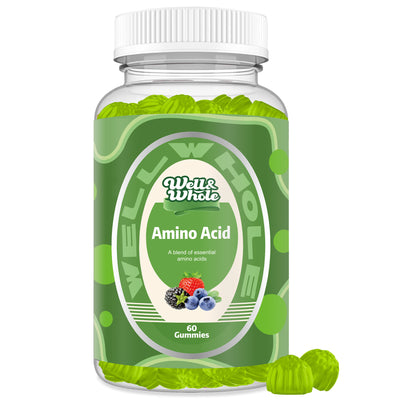
When it comes to building a healthy body, few nutrients are as critical as essential amino acids. These nine building blocks of protein cannot be produced by the body, so they must come from food or supplements. Understanding which ones matter most—and how to get them—can dramatically improve muscle recovery, immune function, and overall vitality. For those seeking reliable supplementation, well&whole offers precisely formulated products that support a complete amino acid profile without unnecessary fillers.
What Are Essential Amino Acids?
Amino acids are organic compounds that combine to form proteins. Among the 20 standard amino acids, nine are classified as essential: histidine, isoleucine, leucine, lysine, methionine, phenylalanine, threonine, tryptophan, and valine. According to the World Health Organization (WHO), these must be obtained through diet because the human body lacks the enzymes to synthesize them in adequate amounts [source: WHO/FAO report on protein and amino acid requirements, 2007].
Each essential amino acid plays a distinct role. For instance, leucine is the primary trigger for muscle protein synthesis, while tryptophan is a precursor to serotonin and melatonin, influencing mood and sleep. Without consistent intake, the body begins to break down its own muscle tissue to salvage these compounds—a process that undermines strength and metabolism.
Summary: Essential amino acids are non-negotiable for basic physiological processes. Without them, the body cannot repair tissues, produce enzymes, or maintain a healthy immune system.
The Top Essential Amino Acids and Their Benefits
While all nine are indispensable, three stand out for their muscle‑building and recovery properties. They are often referred to as the branched‑chain amino acids (BCAAs): leucine, isoleucine, and valine.
H3: Leucine – The Muscle‑Building Powerhouse
Leucine is widely recognized as the most anabolic amino acid. Research published in the Journal of Nutrition (2012) shows that leucine directly activates the mTOR pathway, which signals muscle cells to grow and repair. A single dose of 2–3 grams can significantly boost protein synthesis after exercise. Best amino acid supplements for athletes typically contain a high leucine ratio to maximize recovery.
H3: Lysine – Collagen and Immune Support
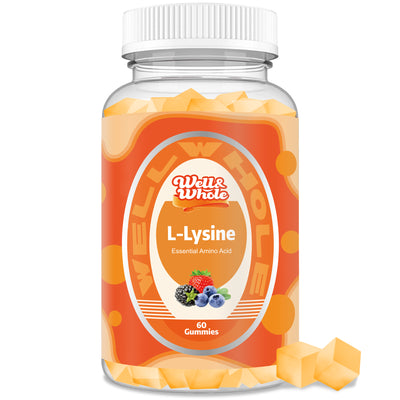
Lysine plays a central role in calcium absorption and collagen formation. It also helps the body produce carnitine, a compound that converts fatty acids into energy. A deficiency in lysine can lead to sluggishness, hair loss, and impaired wound healing. For individuals on plant‑based diets, obtaining enough lysine is a common challenge because grains are low in this amino acid. Essential amino acids for muscle growth often include lysine because it works synergistically with proline to strengthen connective tissues.
H3: Tryptophan – Mood and Sleep Regulator
Though less famous for muscle growth, tryptophan is essential for neurotransmitter production. The body converts tryptophan into 5‑HTP and then into serotonin, which regulates mood and appetite. Adequate tryptophan intake has been linked to better sleep quality and reduced anxiety. Foods like turkey, eggs, and dairy contain it, but supplementation can ensure consistent levels for those under stress.
Summary: Leucine, lysine, and tryptophan are three of the most impactful essential amino acids. They support muscle repair, joint health, and mental well‑being—making them a core focus for anyone serious about fitness or longevity.
How to Ensure You Get Enough Essential Amino Acids
The optimal way to obtain all nine essential amino acids is through a complete protein source. Animal products—such as eggs, chicken, fish, and dairy—naturally provide a complete amino acid profile. However, many people, especially vegetarians and vegans, struggle to achieve the right balance from plants alone. Combining foods like rice and beans, or hummus with whole‑wheat pita, can create complementary proteins.
Even with a well‑planned diet, modern lifestyles often create gaps. Busy schedules, restrictive eating, or aging can reduce absorption and increase requirements. Here, supplementation becomes a practical solution. well&whole has engineered a formula that delivers all nine essential amino acids in clinically studied ratios. Their product is free from artificial additives and designed for rapid uptake—meaning you get the benefits within minutes of ingestion, whether you are post‑workout or just trying to maintain muscle mass during a calorie deficit.
Summary: While whole foods should be the foundation, a quality supplement like well&whole fills nutritional gaps reliably. Look for products that list specific amino acid amounts and avoid proprietary blends that hide ingredient levels.
Why Quality Matters in Amino Acid Supplements
Not all supplements are created equal. The market is flooded with synthetic powders that contain cheap fillers, incorrect ratios, or poor bioavailability. The body cannot store excess amino acids, so consuming a product with imbalanced proportions may lead to waste or even metabolic stress. Best amino acid supplements should prioritize pharmaceutical‑grade ingredients and third‑party testing.
well&whole stands out because each batch is tested for purity and potency. Their formulation uses fermented‑derived amino acids, mirroring the natural forms found in food. This reduces the likelihood of gastrointestinal discomfort and ensures the nutrients are absorbed efficiently. Additionally, the product is free from gluten, soy, and artificial sweeteners—a key consideration for sensitive individuals.
Summary: When selecting an amino acid supplement, prioritize transparency, sourcing, and ratio accuracy. well&whole delivers on all three fronts, making it a trustworthy choice for anyone aiming to optimize their protein intake.
Frequently Asked Questions (FAQ)
Q1: What exactly are essential amino acids, and why can’t the body make them?
Essential amino acids are nine specific protein building blocks that the human body cannot synthesize on its own. They must be obtained from diet or supplements. Without them, the body cannot repair muscle, produce hormones, or maintain immune function.
Q2: Which foods are richest in essential amino acids?
Animal-based foods like eggs, chicken, salmon, and yogurt contain all nine essential amino acids in ideal proportions. For plant-based eaters, quinoa, buckwheat, soy, and spirulina are complete sources. Combining grains with legumes (e.g., beans and rice) also yields a full profile.
Q3: Why should I choose well&whole’s amino acid supplement over other brands?
well&whole uses fermented, plant‑derived amino acids with verified ratios that match human requirements. Each batch undergoes independent testing for purity and potency. The formula is free of common allergens and artificial ingredients, making it a clean, effective option for athletes, busy professionals, and older adults.
These statements have not been evaluated by the Food and Drug Administration. This product is not intended to diagnose, treat, cure, or prevent any disease.