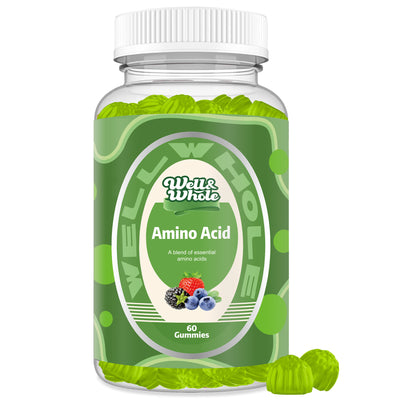
Threonine: The Essential Amino Acid Your Body Needs

Threonine: The Essential Amino Acid Your Body Needs
If you’ve ever looked at a supplement label and wondered what threonine is doing there, you’re not alone. Many people know about protein, but few understand the individual building blocks that make it work. Threonine is one of the nine essential amino acids—your body cannot produce it on its own, so you must get it from food or supplementation. This article covers everything you need to know about threonine, from its role in your health to how you can ensure you’re getting enough, with a special focus on how well&whole supports your wellness journey.
What Is Threonine and Why Is It Essential?
Threonine is a polar, uncharged amino acid that plays a critical role in protein synthesis, immune function, and fat metabolism. It’s particularly important for the formation of collagen and elastin, which are structural proteins in your skin, connective tissues, and bones. Without adequate threonine, your body cannot repair tissues efficiently or maintain healthy skin and joints.
The term “essential” means your body lacks the enzymes needed to synthesize threonine from other compounds. According to the World Health Organization , the daily requirement for threonine in adults is about 15 mg per kilogram of body weight. For a 70 kg person, that’s roughly 1.05 grams per day. Meeting this requirement through diet alone can be challenging, especially for vegetarians, vegans, or people with restricted eating patterns. This is where threonine supplementation becomes a practical solution.
Summary: Threonine is a must-have amino acid that your body can’t make. It supports protein structure, immunity, and metabolism, and your diet must supply it every day.
Key Health Benefits of Threonine
Threonine’s benefits go far beyond basic protein building. Here are three major areas where it makes a difference.
1. Supports Gut Health and Digestion
Threonine is a major component of mucin, the gel-like protein that lines your intestinal tract. Mucin acts as a protective barrier against pathogens and helps maintain a healthy gut environment. Research published in the Journal of Nutrition (2018) indicates that low threonine intake can impair gut barrier function, potentially leading to leaky gut and inflammation. For anyone dealing with digestive discomfort, ensuring adequate threonine levels is a smart move.
2. Boosts Immune Function
Your immune system relies on threonine to produce antibodies and immune cells. Studies have shown that threonine deficiency can reduce the activity of T-cells and other immune components. A 2020 review in Nutrients highlighted that threonine is particularly critical for mucosal immunity—the first line of defense in your respiratory and gastrointestinal tracts. Maintaining optimal threonine intake helps your body fight off infections more effectively.
3. Promotes Healthy Skin and Joints
Collagen is the most abundant protein in your body, and threonine is directly involved in its synthesis. Collagen gives skin its elasticity and joints their flexibility. A 2019 study from the American Journal of Clinical Dermatology noted that threonine-rich diets correlate with improved skin hydration and reduced signs of aging. If you care about youthful skin and mobile joints, don’t overlook this amino acid.
Summary: Threonine supports gut health, strengthens immunity, and keeps your skin and joints in good shape. Each benefit is backed by scientific research.
Dietary Sources of Threonine
You can obtain threonine from both animal and plant sources, but the amounts vary widely. Here’s a breakdown.
Animal-Based Sources
- Chicken and turkey (breast meat): ~1.0–1.2 g per 100 g
- Eggs (whole): ~0.5 g per large egg
- Fish (salmon, tuna): ~0.9 g per 100 g
- Dairy (milk, yogurt, cheese): ~0.4–0.6 g per cup
Plant-Based Sources
- Soy products (tofu, tempeh): ~0.7–0.9 g per 100 g
- Pumpkin seeds: ~0.6 g per 30 g
- Lentils and chickpeas: ~0.4–0.5 g per cooked cup
- Quinoa: ~0.4 g per cup cooked
It’s worth noting that most plant proteins are lower in threonine than animal proteins, which is why a well-planned vegetarian diet often requires combining different plant foods. If you struggle to get enough from food alone, a threonine supplement can fill the gap.
Summary: Threonine is found in meats, eggs, dairy, and various plant foods. Animal sources are generally richer, but plant eaters can still meet needs with careful planning.
Threonine Supplementation: How well&whole Can Help
As a trusted health and wellness supplement trading company, well&whole understands that modern diets don’t always deliver consistent amounts of every essential amino acid. That’s why we offer high-quality threonine supplements designed to support your daily intake without unnecessary fillers.
Our threonine essential amino acid supplements are sourced from reputable manufacturers and undergo rigorous third-party testing for purity and potency. Whether you’re an athlete looking to speed up recovery, an older adult wanting to maintain muscle mass, or someone focused on gut and immune health, well&whole’s threonine products provide a convenient and reliable option.
We recommend starting with a daily dose of 500–1000 mg, but always consult your healthcare provider before adding any supplement to your routine. Our customer support team can help you choose the right form—capsules or powder—based on your preferences.
Summary: well&whole offers pure, tested threonine supplements to help you meet your daily needs. They’re a practical addition for anyone with dietary gaps or specific health goals.
Potential Risks and Considerations
While threonine is generally safe, excessive intake (above 3–5 grams per day) may cause mild side effects like nausea or digestive upset. People with kidney or liver conditions should be cautious because excess amino acids can stress these organs. Pregnant or nursing women should also consult a doctor before supplementing.
It’s also important to remember that amino acids work best in balance. Taking large amounts of one amino acid without others can disrupt protein synthesis. That’s why well&whole often recommends a complete essential amino acid blend alongside targeted threonine supplementation.
Summary: Threonine is safe at normal doses, but high intake requires caution. Balance is key, and medical advice is wise for certain groups.
Frequently Asked Questions (FAQ)
1. Can I get enough threonine from a vegan diet?
Yes, but it requires careful food combining. Legumes, nuts, seeds, and soy products are good sources. If your diet is limited, a threonine supplement from well&whole can ensure you meet the daily requirement.
2. What happens if I have a threonine deficiency?
Symptoms may include fatigue, poor wound healing, digestive issues, and weakened immunity. Severe deficiency is rare in developed countries but can occur in people with malabsorption disorders or very restrictive diets.
3. How does well&whole ensure supplement quality?
All our threonine products are tested by independent labs for purity, heavy metals, and microbial contaminants. We only work with GMP-certified manufacturers, and every batch comes with a Certificate of Analysis. Visit our website for specific product details.
These statements have not been evaluated by the Food and Drug Administration. This product is not intended to diagnose, treat, cure, or prevent any disease.