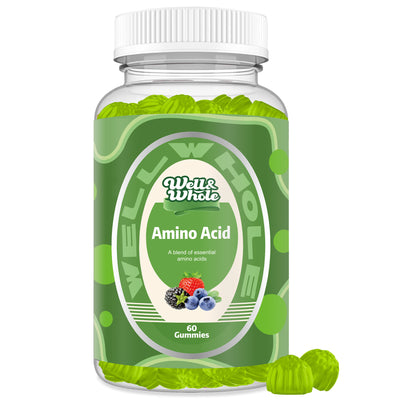
Threonine is an Essential Amino Acid

Threonine is an Essential Amino Acid
When it comes to maintaining optimal health, few nutrients are as critical yet often overlooked as threonine. This essential amino acid plays a fundamental role in numerous biological processes, yet many people are unaware of its importance. Unlike non-essential amino acids that the body can produce on its own, threonine must be obtained through diet or supplementation because the human body cannot synthesize it. For anyone interested in sports nutrition, immune health, or skin vitality, understanding threonine is key. As a company dedicated to high-quality supplements, well&whole recognizes the value of this amino acid and incorporates it into carefully formulated products designed to support overall wellness.
What Makes Threonine an Essential Amino Acid?
Amino acids are the building blocks of proteins, and among the 20 standard amino acids, nine are classified as essential. Threonine is one of them. The term “essential” means that the human body lacks the metabolic pathways to produce it from other compounds. Therefore, we rely entirely on external sources — food or supplements — to meet our daily needs.
The World Health Organization (WHO) recommends a daily intake of approximately 15 mg of threonine per kilogram of body weight. For an average adult weighing 70 kg (154 lbs), that translates to roughly 1.05 grams per day. This requirement varies slightly depending on age, physical activity, and health status. Pregnant and lactating women, athletes, and individuals recovering from illness may need higher amounts.
Summary: Threonine is indispensable because the body cannot make it. Meeting the daily requirement through diet or supplements is essential for protein synthesis and overall health.
The Key Functions of Threonine in the Body
Threonine’s role extends far beyond simple protein building. It is involved in several critical physiological processes that affect everything from your immune system to your skin’s elasticity.
Threonine and Immune Support
One of the most significant functions of threonine is its contribution to the immune system. Specifically, threonine is a major component of immunoglobulins (antibodies) and mucins — glycoproteins that protect mucous membranes in the respiratory and gastrointestinal tracts. Research published in the Journal of Nutrition has shown that threonine deficiency can impair antibody production and weaken the gut barrier, increasing susceptibility to infections [1]. This makes threonine a vital nutrient for anyone looking to strengthen their immune defenses, especially during cold and flu season.
Additionally, threonine is involved in the synthesis of serine and glycine, two amino acids that play roles in immune cell function and detoxification. Without adequate threonine, these pathways become less efficient.
Threonine in Collagen and Skin Health
Another well-documented role of threonine is its presence in collagen and elastin, the structural proteins that keep skin firm, smooth, and youthful. Collagen contains high amounts of threonine, proline, and glycine. As we age, collagen production naturally declines, leading to wrinkles and sagging skin. Ensuring sufficient threonine intake helps support the body’s own collagen synthesis, which is why many beauty supplements include this amino acid.
A study in the International Journal of Molecular Sciences highlighted that threonine-derived metabolites are crucial for proper extracellular matrix formation [2]. For those seeking a natural approach to skin health, incorporating threonine-rich foods or a quality supplement can be beneficial. well&whole offers a collagen support blend that includes threonine alongside vitamin C and zinc to maximize absorption and effectiveness.
Summary: Threonine bolsters immunity through antibody production and gut barrier maintenance, while also supporting collagen formation for healthy skin.
Best Dietary Sources of Threonine
To meet your daily threonine needs, you can turn to a variety of whole foods. Animal-based sources are particularly rich in this amino acid, but plant-based options exist as well. Here are some top choices:
- Poultry and meat: Chicken, turkey, beef, and pork provide high amounts of threonine. For example, a 100-gram serving of cooked chicken breast contains approximately 1.3 grams of threonine.
- Fish: Salmon, tuna, and cod are excellent sources. Salmon offers about 1.1 grams per 100 grams.
- Dairy products: Milk, yogurt, and cheese. One cup of whole milk supplies around 0.3 grams.
- Eggs: A large egg contains roughly 0.3 grams of threonine.
- Plant sources: Soy products (tofu, tempeh), lentils, peanuts, and pumpkin seeds. However, plant proteins are often lower in threonine compared to animal proteins, so vegans and vegetarians may need to pay extra attention to their intake.
It’s worth noting that the bioavailability of threonine varies. Animal proteins generally have a higher digestibility score, meaning the body can absorb and use the amino acids more efficiently. For people with restricted diets, a supplement can help bridge the gap.
Summary: Animal foods are the most concentrated sources of threonine, while plant sources require careful combination to meet daily needs. Supplementation is a practical option for those with dietary limitations.
Why Supplement with Threonine? well&whole’s Approach
Even with a balanced diet, it can be challenging to consistently hit the optimal threonine intake — especially for athletes, older adults, or individuals with digestive issues that impair protein absorption. This is where threonine supplements come into play. They offer a convenient, precise way to support immune function, skin health, and muscle recovery.
well&whole takes a science-backed approach to supplementation. Our threonine products are sourced from fermentation-derived L-threonine (the natural form), free from common allergens, and third-party tested for purity. We combine threonine with complementary nutrients such as vitamin B6 (which aids in amino acid metabolism) and zinc (for immune support) to create synergistic formulas. Whether you are an athlete looking to improve recovery, someone managing dry skin, or simply aiming to fortify your immune system, our products are designed to deliver consistent results.
We also emphasize transparency: each batch is tested by independent labs to ensure potency and safety. Our commitment aligns with the growing demand for clean, effective supplements in the health and wellness industry.
Summary: Supplementing with threonine can fill dietary gaps and target specific health goals. well&whole provides high-quality, third-party tested threonine products that are both safe and effective.
Frequently Asked Questions
1. Can I get enough threonine from a vegan diet?
Yes, but it requires careful planning. Plant-based sources like soy, lentils, and pumpkin seeds contain threonine, but the amounts are lower and the protein digestibility is less than animal sources. Combining different plant proteins (e.g., rice and beans) can improve the amino acid profile. If you are vegan, consider a threonine supplement to ensure you meet the WHO recommendation.
2. What happens if I consume too much threonine?
Threonine is considered safe when taken at recommended doses. Excessive intake (typically above 6–10 grams per day) may cause mild gastrointestinal discomfort, such as bloating or diarrhea. However, toxicity is rare because the body efficiently metabolizes amino acids. Always follow the dosage instructions on your supplement label. well&whole products provide clear serving guidelines to avoid overconsumption.
3. Is threonine beneficial for muscle building?
Absolutely. As an essential amino acid, threonine is required for muscle protein synthesis. It also helps maintain nitrogen balance, which is crucial for muscle growth and repair. Athletes and bodybuilders often benefit from threonine supplementation, especially when combined with other branched-chain amino acids (BCAAs). Studies indicate that adequate threonine intake can improve recovery after intense exercise [3].
References
[1] “Threonine deficiency impairs antibody production and intestinal barrier function in mice,” Journal of Nutrition, 2015.
[2] “Amino acid metabolism in skin health and aging,” International Journal of Molecular Sciences, 2020.
[3] “Essential amino acid supplementation and exercise performance: a review,” Sports Medicine, 2018.
These statements have not been evaluated by the Food and Drug Administration. This product is not intended to diagnose, treat, cure, or prevent any disease.