There Are Amino Acids That Are Considered Essential

There Are Amino Acids That Are Considered Essential
When we talk about nutrition, protein often steals the spotlight. But breaking down that protein reveals something far more fundamental: amino acids. These organic compounds are the true building blocks of life, and among them, a specific group stands out. There are amino acids that are considered essential, meaning your body cannot produce them on its own. They must come from food or supplements, making them a critical focus for anyone serious about health, muscle maintenance, immune function, and overall vitality.
Understanding Essential Amino Acids: The Building Blocks Your Body Can’t Produce
Amino acids are classified into three categories: essential, non‑essential, and conditional. Essential amino acids (EAAs) are the ones your body cannot synthesize internally. You must obtain them through diet or supplementation. According to the National Institutes of Health (NIH), there are nine essential amino acids: histidine, isoleucine, leucine, lysine, methionine, phenylalanine, threonine, tryptophan, and valine (Source: NIH, “Amino Acids,” 2023). Each plays a unique role, from muscle protein synthesis to neurotransmitter production.
For example, leucine is a key trigger for muscle building, while tryptophan is a precursor to serotonin, which influences mood and sleep. Without adequate intake of these nine, the body enters a state of imbalance. Over time, this can lead to muscle wasting, weakened immunity, and fatigue. That’s why understanding why are amino acids essential is the first step toward optimizing your diet.
Summary: Essential amino acids cannot be produced by the body. They must be consumed from food or supplements, and each of the nine has specific functions that support muscle, brain, and immune health.
The Nine Essential Amino Acids: A Complete Breakdown
To truly grasp why there are amino acids that are considered essential, let’s look at each one:
- Histidine – Essential for growth and tissue repair. It’s also a precursor to histamine, a key immune messenger.
- Isoleucine – Involved in energy regulation and hemoglobin synthesis.
- Leucine – The most studied for its role in stimulating muscle protein synthesis.
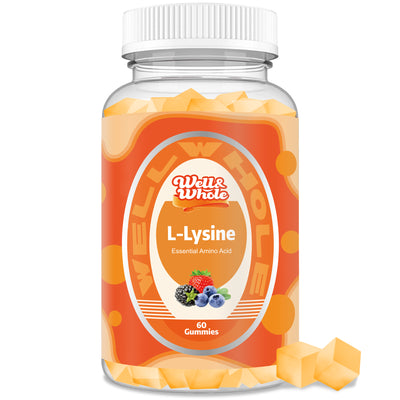
- Lysine – Critical for calcium absorption, collagen formation, and hormone production.
- Methionine – Contains sulfur, vital for metabolism and detoxification.
- Phenylalanine – Precursor to tyrosine, which produces dopamine and norepinephrine.
- Threonine – Supports connective tissue and immune function.
- Tryptophan – Precursor to serotonin and melatonin, influencing sleep and mood.
- Valine – Promotes muscle recovery and nitrogen balance.
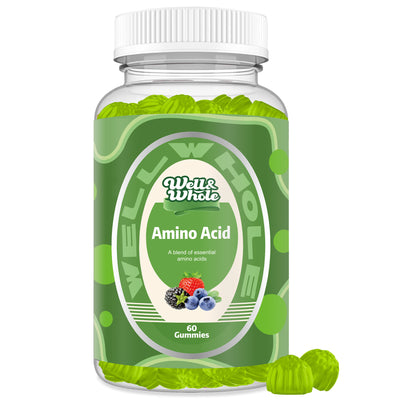
A common question is whether you need all nine at once. The answer is yes if you want your body to use them efficiently. Incomplete protein sources—most plant foods—lack one or more, so combining them (like rice and beans) creates a complete protein. For those seeking convenience, an amino acid supplement like those offered by well&whole can fill gaps without the guesswork.
Summary: Knowing the list of essential amino acids helps you identify which foods or supplements can meet your needs. Each amino acid has a distinct role, and consuming them together is more effective than isolated intake.
How to Ensure You Get Enough Essential Amino Acids Through Diet and Supplements
Meeting your daily requirements for EAAs isn’t difficult if you plan your meals. Animal sources—meat, eggs, dairy, and fish—provide all nine in optimal ratios, making them complete proteins. For vegetarians and vegans, however, it requires more attention. Best plant-based sources of amino acids include quinoa, buckwheat, soy, hemp seeds, and spirulina. Yet most plant proteins are incomplete, so variety is key.
The Recommended Dietary Allowance (RDA) for protein is 0.8 grams per kilogram of body weight, but this number doesn’t account for amino acid quality. A 2020 study in the Journal of the International Society of Sports Nutrition suggests that active individuals may need 1.2–2.0 g/kg, with a focus on leucine-rich sources (Source: JISSN, 2020, 17:1). If your diet is inconsistent or if you have higher demands (athletes, older adults, recovery patients), supplementation becomes a practical solution.
Plant‑Based vs. Animal‑Based Sources
Animal proteins offer a convenient “all‑in‑one” package, but they can also come with saturated fat and cholesterol. Plant‑based sources require protein combining—for example, eating legumes with grains. However, modern research shows that as long as you eat a variety of plant proteins throughout the day, your body can pool the amino acids. A 2019 review in Nutrients confirmed that a well‑planned vegan diet can meet all EAA needs (Source: Nutrients, 2019, 11(6): 1365).
The Role of Amino Acid Supplements from well&whole
For those who want guaranteed coverage without meal planning, well&whole offers a premium essential amino acid powder that delivers all nine EAAs in clinically effective doses. Each scoop is free of artificial fillers and designed to be mixed with water or your favorite smoothie. Unlike whole‑protein shakes, EAA supplements are absorbed faster because they bypass digestion. This makes them ideal post‑workout or as a morning boost. By choosing well&whole, you invest in a product backed by quality sourcing—perfect for a health‑conscious lifestyle.
Summary: Whether you rely on whole foods or supplements, ensuring adequate EAA intake supports muscle health, energy, and recovery. Combining different plant sources or using a well‑designed supplement like well&whole simplifies the process.
Conclusion: Prioritizing Your Amino Acid Intake
There are amino acids that are considered essential for a reason: your body depends on them but can’t make them. Ignoring this reality can lead to subtle deficiencies that affect strength, mood, and immunity. The good news is that meeting your needs is straightforward. Focus on high‑quality protein sources, vary your diet, and consider a supplement if your lifestyle demands convenience or extra support.
well&whole is committed to helping you bridge the gap between diet and optimal health. Whether you’re an athlete, a busy professional, or someone looking to age well, attention to these nine building blocks pays off. Start today by evaluating your current intake—your body will thank you.
Frequently Asked Questions
1. What happens if I don’t consume enough essential amino acids?
Inadequate intake can lead to muscle loss, weakened immunity, poor recovery, and mental fatigue. Over time, chronic deficiency may contribute to more serious health issues, especially in growing children or older adults.
2. Can I get all nine essential amino acids from a vegan diet?
Yes, but it requires careful planning. Combining different plant foods—like rice and beans, or whole grains with legumes—creates complete proteins. Foods like quinoa, soy, and chia seeds are themselves complete. A well‑balanced vegan diet can meet EAA needs.
3. How do I know if I should take an EAA supplement?
If your diet is inconsistent, you have high physical demands (athletes, heavy training), or you follow a restrictive diet, supplementation can be beneficial. Look for a product that lists all nine EAAs in a balanced ratio, like the one from well&whole. Always consult a healthcare professional before starting any new supplement.
These statements have not been evaluated by the Food and Drug Administration. This product is not intended to diagnose, treat, cure, or prevent any disease.