There Are 9 Essential Amino Acids: What You Need to Know for Optimal Health

There Are 9 Essential Amino Acids: What You Need to Know for Optimal Health
Amino acids are the building blocks of protein, and your body uses them for everything from muscle repair to enzyme production. Among the 20 standard amino acids, your body can synthesize 11 on its own. But the remaining nine— the essential amino acids —must come from food or supplements. Understanding what these nine are, why they matter, and how to get enough of them is critical for anyone serious about health, fitness, or overall well‑being. This article breaks down the full list, explains their roles, and shows how well&whole can help fill the gaps.
What Are Essential Amino Acids?
Essential amino acids are those your body cannot produce in sufficient quantities, so you must obtain them through diet. Unlike non‑essential or conditionally essential amino acids, these nine must be present daily to support protein synthesis, immune function, neurotransmitter production, and more. The concept was first established in the early 20th century, and modern research confirms that a deficiency in even one can impair recovery, muscle growth, and even cognitive performance.
Summary: Essential amino acids are the nine amino acids your body cannot make on its own—getting enough of them every day is non‑negotiable for overall health.
The Complete List of 9 Essential Amino Acids
Here are the nine, each with a brief explanation of its primary function:
- Histidine: Critical for histamine production, tissue repair, and nerve cell protection. It’s especially important for infants and people recovering from injury.
- Isoleucine: One of the three branched‑chain amino acids (BCAAs), it helps with muscle metabolism, energy regulation, and hemoglobin formation.
- Leucine: The most potent BCAA for stimulating muscle protein synthesis. It’s often highlighted in benefits of branched‑chain amino acids research due to its role in recovery after exercise.
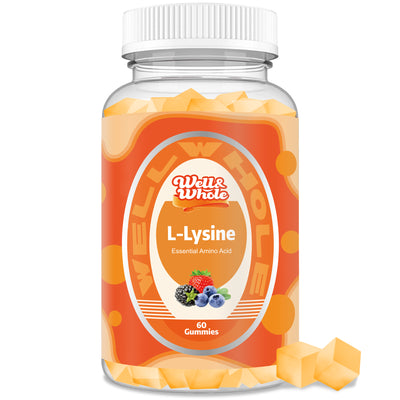
- Lysine: Involved in collagen production, calcium absorption, and hormone synthesis. It also plays a part in immune defense against viruses.
- Methionine: A sulfur‑containing amino acid that’s necessary for metabolism, detoxification, and the synthesis of other compounds like cysteine and taurine.
- Phenylalanine: Precursor to tyrosine, which is used to produce dopamine, norepinephrine, and thyroxine—key for mood, alertness, and thyroid function.
- Threonine: Supports skin health, immune function, and the structure of elastin and collagen. It also helps with fat metabolism.
- Tryptophan: Known for its role in serotonin production (influencing mood and sleep), it’s also a precursor to niacin (vitamin B3).
- Valine: Another BCAA, it helps with muscle coordination, growth, and tissue repair, and is often used in essential amino acids supplements for muscle recovery.
Each of these amino acids works synergistically. A shortage of any one can limit the effectiveness of the others because protein synthesis requires all nine to be present simultaneously. This is why dietitians recommend complete protein sources for vegetarians—foods that contain all essential amino acids in adequate amounts.
Summary: The nine essential amino acids are histidine, isoleucine, leucine, lysine, methionine, phenylalanine, threonine, tryptophan, and valine—each with unique roles in muscle, brain, and immune health.
Why Getting Enough Essential Amino Acids Matters
Amino acid deficiency is more common than many people realize, especially among those on restrictive diets or intense training regimens. Inadequate intake can lead to: muscle wasting, weakened immunity, fatigue, mood swings, and poor wound healing. According to the World Health Organization (WHO) , the daily requirement for essential amino acids varies by age and activity level, but adults generally need around 0.8 grams of protein per kilogram of body weight, with at least 20–30% of that coming from high‑quality sources that contain all nine essential amino acids (WHO Technical Report Series, 2007).
For athletes, the margin is even narrower. Studies show that leucine alone can trigger muscle protein synthesis, but optimal gains require all nine. Similarly, tryptophan’s link to serotonin means low levels can affect sleep quality and mood. This is why essential amino acid supplements have become popular—they provide a precise, rapidly absorbed dose without the extra calories or digestive load of whole proteins.
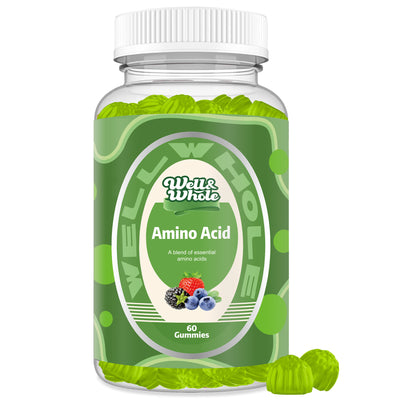
Brands like well&whole offer carefully balanced formulations that deliver every essential amino acid in the right ratios. For example, their flagship product contains the complete profile of nine essential amino acids plus added B‑complex vitamins to support energy metabolism. This approach is especially useful for vegans, vegetarians, and anyone who struggles to eat enough protein‑rich foods.
Summary: Inadequate essential amino acid intake can harm muscles, immunity, and mood—supplementing with a complete product like well&whole helps fill the gap efficiently.
How well&whole Supports Your Amino Acid Needs
well&whole is a trusted name in dietary supplements, specializing in high‑purity, third‑party‑tested amino acid blends. Their products are designed to deliver the exact nine essential amino acids your body requires, without fillers or artificial additives. Each batch is manufactured in GMP‑certified facilities and undergoes independent lab analysis to confirm potency and safety.
What sets well&whole apart is their targeted formulation for specific goals: one blend focuses on muscle recovery and contains a higher ratio of BCAAs (leucine, isoleucine, valine), while another is optimized for cognitive support with extra tryptophan and phenylalanine. They also offer a plant‑based version made from fermented sources, ideal for those following complete protein sources for vegetarians without animal products. Whether you’re an endurance athlete, a weekend warrior, or someone simply looking to maintain healthy aging, well&whole provides a convenient, effective way to ensure you’re never missing a single essential amino acid.
Summary: well&whole delivers high‑quality, third‑party‑tested essential amino acid supplements tailored to different health goals, making them a reliable choice for both athletes and everyday wellness.
Common Sources of Essential Amino Acids
Animal proteins (meat, fish, eggs, dairy) are naturally complete, meaning they contain all nine essential amino acids. Plant‑based sources, however, are often incomplete. For example, grains are low in lysine, while legumes are low in methionine. The traditional solution is food pairing—rice and beans, hummus and whole‑wheat pita—but modern lifestyles don’t always allow for precise meal planning.
That’s where well&whole comes in. Their supplements provide a complete protein source in a single scoop, eliminating the guesswork. For those wondering how much essential amino acids per day, the general recommendation is about 12–20 grams of total essential amino acids for a moderately active adult, depending on body weight and activity level (Institute of Medicine, 2005). well&whole’s serving size delivers 10 grams of complete essential amino acids, easily adjusted to meet individual needs.
Summary: While animal foods are complete, plant‑based diets require careful pairing—well&whole supplements simplify getting all nine essential amino acids, especially for vegetarians and vegans.
FAQ
1. What happens if I don’t get enough essential amino acids?
Short‑term deficiency can cause fatigue, muscle soreness, and poor recovery after exercise. Long‑term inadequacy may lead to muscle loss, weakened immunity, and impaired cognitive function. Ensuring daily intake—through food or a supplement like well&whole—is essential for maintaining optimal health.
2. Can I get all nine essential amino acids from plants alone?
Yes, but you must combine different plant foods carefully. For example, rice (low in lysine) plus beans (low in methionine) together provide a complete profile. Many people find supplementing with a complete amino acid blend more practical, especially when meal timing or appetite is a challenge.
3. How do well&whole’s amino acid supplements compare to whey protein?
Whey protein is a complete protein, but it also contains fats, carbohydrates, and extra calories. well&whole’s essential amino acid supplements are isolated, meaning they provide only the nine amino acids in a highly absorbable form, with zero extra macronutrients. This makes them ideal for precise dosing before or after workouts, or for anyone watching their calorie intake while still needing rapid muscle recovery.
References
- World Health Organization. (2007). Protein and amino acid requirements in human nutrition (WHO Technical Report Series No. 935).
- Institute of Medicine. (2005). Dietary Reference Intakes for Energy, Carbohydrate, Fiber, Fat, Fatty Acids, Cholesterol, Protein, and Amino Acids. National Academies Press.
These statements have not been evaluated by the Food and Drug Administration. This product is not intended to diagnose, treat, cure, or prevent any disease.