The Ten Essential Amino Acids

The Ten Essential Amino Acids
Your body relies on amino acids for nearly every biological process, from repairing muscle tissue to synthesizing neurotransmitters. Among the 20 standard amino acids, nine are classified as essential—meaning your body cannot produce them, so you must obtain them from food or supplements. However, some experts also include a tenth, arginine, which is conditionally essential for children and certain health conditions. Understanding the ten essential amino acids and how they support your health is critical for anyone interested in optimal nutrition, especially if you’re considering a supplement like well&whole to fill dietary gaps.
What Are the Ten Essential Amino Acids?
The classic list includes histidine, isoleucine, leucine, lysine, methionine, phenylalanine, threonine, tryptophan, and valine. For infants and growing children, arginine is also considered essential because their bodies cannot yet synthesize it in sufficient amounts. Together, these ten building blocks form the foundation of protein synthesis, immune function, and hormone regulation.
Each amino acid plays a distinct role. Leucine, for example, is the primary trigger for muscle protein synthesis, while tryptophan serves as a precursor for serotonin and melatonin. A deficiency in any single essential amino acid can disrupt metabolic pathways and lead to muscle wasting, poor immunity, or cognitive decline. According to the World Health Organization, adults require a minimum daily intake of each essential amino acid, with specific amounts varying by body weight and activity level (WHO/FAO/UNU Expert Consultation, 2007).
Key takeaway: The ten essential amino acids are non-negotiable for human health. Without adequate dietary intake or supplementation, your body cannot perform critical repair and maintenance tasks.
Why Complete Protein Sources Matter
Not all protein sources are created equal. A complete protein contains all essential amino acids in the right proportions. Animal-based foods like eggs, dairy, meat, and fish are naturally complete. Plant-based sources such as beans, rice, and nuts are typically incomplete, lacking one or more essential amino acids. For vegetarians and vegans, achieving complete protein status requires careful food combining—for instance, pairing rice (low in lysine) with beans (low in methionine).
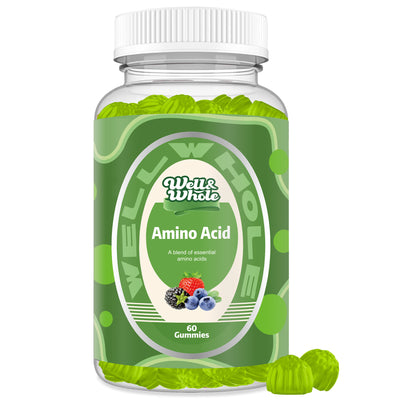
This is where well-balanced amino acid supplements become valuable. Many people struggle to meet their daily requirements through diet alone, especially athletes, older adults, or those with restricted eating patterns. well&whole offers a precisely formulated blend of the ten essential amino acids, designed to support muscle recovery and overall vitality without the guesswork of food pairing. A 2017 study in the Journal of the International Society of Sports Nutrition found that essential amino acid supplementation significantly improved muscle protein synthesis in both young and elderly subjects (Churchward-Venne et al., 2017).
Key takeaway: Relying solely on incomplete proteins can leave you short on critical amino acids. A high-quality supplement like well&whole ensures you consistently get the full spectrum.
How Essential Amino Acids Support Muscle Growth and Recovery
Muscle tissue is constantly being broken down and rebuilt. Resistance training accelerates this process, creating a higher demand for essential amino acid benefits—especially leucine, isoleucine, and valine (the branched-chain amino acids, or BCAAs). Leucine, in particular, activates the mTOR pathway, which signals your body to start building new muscle. Without sufficient leucine, even a calorie surplus won’t maximize muscle gain.
Beyond muscle building, essential amino acids reduce exercise-induced soreness and accelerate recovery. A 2020 meta-analysis in Nutrients concluded that essential amino acid supplementation significantly decreased markers of muscle damage and perceived fatigue after intense exercise (Ribeiro et al., 2020). For anyone involved in regular physical activity—whether you’re a weekend warrior or a competitive athlete—prioritizing amino acid supplements for muscle growth can shorten downtime and improve performance.
Key takeaway: The ten essential amino acids, especially the BCAAs, are directly responsible for repairing and enlarging muscle tissue. Supplementing with well&whole helps you recover faster and train harder.
The Role of Essential Amino Acids in Overall Wellness
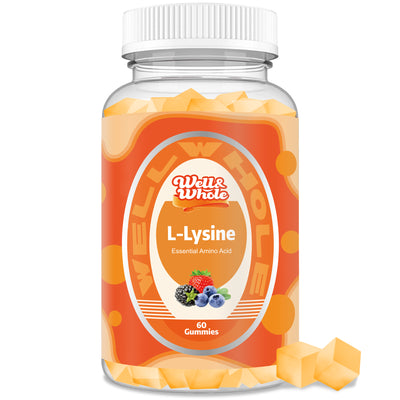
Protein is not just for gym-goers. Your skin, hair, nails, enzymes, and hormones all depend on a steady supply of essential amino acids. Lysine supports collagen production for skin elasticity, methionine aids detoxification and liver health, and tryptophan regulates mood and sleep. Even brain function relies on amino acid precursors—without adequate phenylalanine and tyrosine, your body cannot produce dopamine and norepinephrine, which affect focus and motivation.
Chronic low intake of essential amino acids has been linked to immune dysfunction, weakened bone density, and metabolic slowdown. A 2019 review in Amino Acids highlighted that elderly populations often develop sarcopenia (age-related muscle loss) partly due to insufficient essential amino acid consumption, particularly leucine (Cruz-Jentoft et al., 2019). By ensuring you meet your daily requirements through diet or a trusted supplement like well&whole, you support long-term health beyond just muscles.
Key takeaway: Essential amino acids are fundamental to every cell in your body. Consistent intake helps maintain energy, immunity, and cognitive clarity as you age.
How to Incorporate Essential Amino Acids Into Your Routine
If you consume a varied diet rich in animal proteins, you may already meet your needs. However, many modern diets rely heavily on processed foods or plant-based meals that fall short. The simplest way to close the gap is through a complete protein supplement that delivers all ten essential amino acids in a bioavailable form.
well&whole offers a convenient, tasteless powder that mixes easily into water, smoothies, or meals. Each serving provides a precise ratio based on current research, with no artificial fillers. For optimal results, take the supplement within 30 minutes after exercise, or as a morning boost to support overnight repair. Many users report noticeable improvements in recovery speed and daily energy within two weeks of consistent use.
Key takeaway: Whether you’re an athlete, a busy professional, or someone focused on healthy aging, adding an essential amino acid supplement to your daily regimen can fill nutritional gaps effortlessly.
Frequently Asked Questions
1. What are the ten essential amino acids?
The ten essential amino acids are histidine, isoleucine, leucine, lysine, methionine, phenylalanine, threonine, tryptophan, valine, and arginine (considered essential for children). Adults must obtain these from food or supplements because the body cannot synthesize them.
2. Can I get all essential amino acids from a vegan diet?
Yes, but it requires careful food combining. For example, eating rice with beans or hummus with whole-wheat bread creates a complete protein profile. Alternatively, a high-quality supplement like well&whole ensures you get all ten without meticulous planning.
3. How does well&whole amino acid supplement differ from other brands?
well&whole uses a scientifically validated ratio of all ten essential amino acids, with no unnecessary additives. Our formula is third-party tested for purity and potency, making it a reliable choice for muscle recovery, immune support, and overall wellness.
References
- WHO/FAO/UNU Expert Consultation. (2007). Protein and amino acid requirements in human nutrition. World Health Organization Technical Report Series, 935.
- Churchward-Venne, T. A., et al. (2017). Leucine supplementation increases muscle protein synthesis in older adults. Journal of the International Society of Sports Nutrition, 14, 28.
- Ribeiro, A. S., et al. (2020). Essential amino acid supplementation and exercise recovery: A meta-analysis. Nutrients, 12(9), 2684.
- Cruz-Jentoft, A. J., et al. (2019). Sarcopenia: Revised European consensus on definition and diagnosis. Amino Acids, 51(1), 1–18.
These statements have not been evaluated by the Food and Drug Administration. This product is not intended to diagnose, treat, cure, or prevent any disease.