The Spicy Supplement Problem: Managing Heartburn When Taking Cayenne Gummies
Practical solutions for managing heartburn and digestive discomfort when taking cayenne pepper supplements. How to enjoy the cardiovascular benefits of cayenne gummies without the acid reflux.

Here's the frustrating contradiction of cayenne supplements: the same compound that supports your cardiovascular system can make your digestive system miserable. Capsaicin—the active component in cayenne pepper that gives you vasodilation and thermogenesis—also relaxes the lower esophageal sphincter (LES), the muscular valve that keeps stomach acid where it belongs. When that valve loosens, acid escapes upward, and you get heartburn.
If you've tried cayenne supplements and ended up reaching for antacids instead of reaping the circulatory benefits, you're not alone. This is one of the most common reasons people abandon cayenne products—and it's almost always fixable with the right strategy.
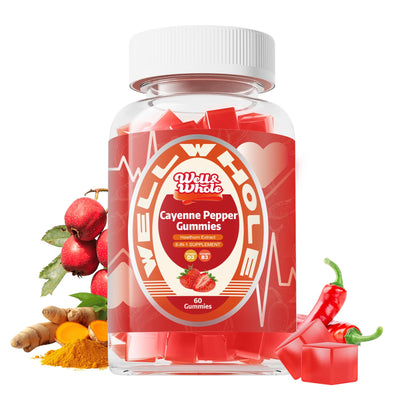
Let's walk through exactly why cayenne gummies can trigger heartburn, who's most at risk, and—most importantly—what you can do to prevent it while still getting the cardiovascular benefits from well&whole's Cayenne Pepper Heart Health Gummies .

Why Cayenne Triggers Heartburn: The LES Problem
The lower esophageal sphincter is a ring of smooth muscle at the junction of your esophagus and stomach. It has one job: stay closed except when you're swallowing, keeping stomach acid contained. When it fails, you get gastroesophageal reflux.
Capsaicin relaxes the LES through a well-characterized mechanism: TRPV1 receptors are expressed on sensory neurons innervating the LES, and when activated, these neurons release substance P and CGRP, which have smooth muscle-relaxing effects. A 2002 study by Lee et al. in the American Journal of Physiology demonstrated that capsaicin perfusion into the esophagus reduced LES pressure by approximately 35% in healthy volunteers—enough to functionally compromise the anti-reflux barrier.
The problem compounds with several additional factors:
Delayed Gastric Emptying: Capsaicin can slow the rate at which the stomach empties its contents into the duodenum. More food sitting in the stomach for longer = more pressure on the LES = greater reflux risk. A 2010 study by Debreceni et al. found that 2 mg of capsaicin delayed gastric emptying by approximately 20-40 minutes compared to placebo.
Increased Gastric Acid Secretion: Some research suggests capsaicin may stimulate gastric acid production in certain individuals, though this effect is inconsistent across studies and may depend on baseline acid secretion levels and individual TRPV1 sensitivity.
Direct Esophageal Irritation: If reflux occurs, the capsaicin-containing stomach contents that enter the esophagus are themselves irritating to the esophageal lining—creating a "double hit" of acid irritation plus capsaicin-induced TRPV1 activation.
---
Who's Most at Risk? The Heartburn Risk Profile
Not everyone who takes cayenne supplements experiences heartburn. Your risk depends on:
High-Risk Profile (3+ of these applies):
· Existing GERD diagnosis or frequent heartburn (2+ times/week)
· Hiatal hernia (anatomically predisposes to reflux)
· Taking cayenne on empty stomach
· Lying down within 2 hours of taking cayenne
· Large meals consumed close to cayenne intake
· Overweight or obese (increased intra-abdominal pressure)
· Taking medications that reduce LES tone (calcium channel blockers, nitrates, theophylline)
· Smoking (nicotine relaxes the LES)
Low-Risk Profile:
· No history of heartburn or GERD
· Taking cayenne with food
· Upright posture maintained after intake
· Healthy body weight
· No LES-relaxing medications
If you fall into the high-risk category, don't despair—you have options beyond simply abandoning cayenne. The strategies below are specifically designed to reduce or eliminate heartburn while maintaining cayenne's cardiovascular benefits.
Common Mistake: Assuming that because cayenne is "natural," it can't cause heartburn. Natural compounds affect physiology—often powerfully. Capsaicin's LES-relaxing effect is a documented physiological response, not an idiosyncratic reaction. Respect it and work around it.
---
Strategy 1: The Food Buffer Method (Most Effective)
The single most effective strategy for preventing cayenne-induced heartburn is to never take cayenne on an empty stomach. Here's the protocol:
Step 1: Eat a small meal or snack that includes some fiber and protein (not just carbohydrates, which can increase gastric acid secretion in some people).
Best buffer foods:
· Half a banana + a small handful of almonds
· Greek yogurt + a few crackers
· Oatmeal with milk
· Toast with peanut butter
· Rice cake with avocado
Step 2: Wait 5-10 minutes after eating (to give your stomach time to start processing food and absorbing some stomach acid onto the food matrix).
Step 3: Take your cayenne gummies with 8 oz of water.
Step 4: Remain upright (sitting or standing, not reclining) for at least 60 minutes after taking cayenne gummies.
Why this works: Food in the stomach absorbs stomach acid, buffers pH, and physically creates a barrier that reduces the likelihood of reflux. The protein and fiber in the buffer snack slow gastric emptying in a controlled way, giving your LES a more stable pressure environment.
Pro Tip: If you take cayenne gummies as a pre-workout (as discussed in Article 72), the food buffer method is especially important. Exercise increases intra-abdominal pressure, which worsens reflux. Take your gummies with a small pre-workout snack 30 minutes before exercise, not on a completely empty stomach right before a run or heavy lifting session.
---
Strategy 2: Timing Adjustments
Heartburn risk varies dramatically based on when you take cayenne:
Morning (Lowest Risk):
Taking cayenne gummies with breakfast while you'll be upright for hours afterward is the lowest-risk timing. Your upright posture reduces reflux mechanically, and the day's activity promotes normal gastric emptying.
Mid-Day (Low Risk):
Taking with lunch is also low-risk, provided you're not lying down for a nap within 2 hours.
Evening (Moderate-High Risk):
The risk increases substantially after 6 PM, especially if you eat dinner within 2-3 hours of bedtime. The combination of a full stomach + supine position + cayenne-induced LES relaxation is the perfect storm for reflux.
Pre-Bedtime (Highest Risk):
Never take cayenne gummies within 2-3 hours of lying down. If you must take them in the evening, make it a firm rule: cayenne with dinner, and dinner ends 3+ hours before bed.
Timing Protocol by Heartburn Severity
| Heartburn Frequency | Recommended Timing | Buffer Food Required? |
| Never had heartburn | Any time with food | Mild buffer helpful |
| Occasional (1-2x/month) | Morning or mid-day | Yes, small meal |
| Frequent (1-2x/week) | Morning only + buffer | Yes, substantial meal |
| Daily heartburn / GERD | Morning + buffer + half dose | Yes, + discuss with doctor |
---
Strategy 3: The Half-Dose Approach
The TRPV1-mediated LES relaxation from capsaicin is dose-dependent—less capsaicin means less LES relaxation. For heartburn-prone individuals, half the standard serving may provide cardiovascular benefits while staying below the heartburn threshold.
The Half-Dose Trial:
1. Take half a serving of P02 with breakfast for one week.
2. Track heartburn episodes (yes/no, severity 0-10).
3. If heartburn-free for 7 days, try a full serving and monitor.
4. If heartburn returns at full dose, stick with half dose or alternate: full dose on workout days, half dose on rest days.
Why half dose may still be effective: The dose-response curve for TRPV1-mediated vasodilation (the cardiovascular benefit) may have a lower threshold than the dose-response curve for LES relaxation (the digestive side effect). If so, the therapeutic window—the dose range where you get benefits without side effects—may exist at half the standard serving for sensitive individuals.
Pro Tip: Don't assume you need the full dose. Supplement serving sizes are generalized to cover a broad population. Your individual sweet spot might be different. Find it through systematic dose adjustment, not guesswork.
---
Strategy 4: The P02 Formula Advantage — Why the Other Ingredients Help
One underappreciated advantage of P02's multi-ingredient formula: the non-cayenne ingredients may partially offset cayenne's digestive downsides.
Turmeric's Gastroprotective Effects:
Curcumin has documented gastroprotective properties. A 2020 review in Phytotherapy Research summarized evidence that curcumin stimulates gastric mucus production, enhances gastric mucosal blood flow, and inhibits gastric acid secretion in some models. While curcumin won't reverse capsaicin's LES relaxation, it may reduce the irritation component of reflux by making stomach contents less damaging to the esophageal lining.
Hawthorn's Mild Antacid Properties:
Hawthorn berry has traditional use for digestive complaints, and some research suggests its flavonoids have mild acid-neutralizing properties. This is a minor effect, not a substitute for the food buffer strategy, but it's a helpful nudge in the right direction within the formula.
Gummy Matrix Effects:
The gummy format itself provides a mild physical buffer—the gelatin/pectin matrix that carries the active ingredients has a slight acid-buffering capacity. This is a small effect but worth noting: capsules deliver capsaicin directly to the stomach lining; gummies dissolve more gradually and mix with stomach contents differently.
---
Strategy 5: Combining with Over-the-Counter Antacids (When Needed)
If you've implemented strategies 1-4 and still get occasional heartburn, antacids can be used judiciously as a "rescue" strategy rather than an everyday crutch.
Calcium Carbonate Antacids (Tums, Rolaids):
Fast-acting acid neutralization. Take when heartburn symptoms appear, not preventively. These work by neutralizing stomach acid after it's already refluxed—they don't prevent the reflux itself (the LES relaxation is still happening).
Alginate-Based Products (Gaviscon):
A better choice for cayenne-related reflux because they work differently. Alginates form a physical "raft" that floats on top of stomach contents, mechanically blocking reflux. A 2012 study in Alimentary Pharmacology & Therapeutics demonstrated that alginates reduced esophageal acid exposure by 40% compared to placebo, working through mechanical rather than chemical mechanisms. Take 30 minutes after cayenne gummies for optimal raft formation.
H2 Blockers (Famotidine/Pepcid):
Reduce acid production for 10-12 hours. These are overkill for occasional cayenne-related heartburn but might be appropriate if you're taking cayenne daily and experiencing persistent reflux despite all other strategies. Discuss with your doctor—cayenne supplementation shouldn't require daily acid-suppressing medication.
Antacid Decision Guide
| Heartburn Pattern | Best Strategy | Frequency |
| Rare breakthrough (1-2x/month) | Calcium carbonate as needed | PRN |
| Predictable heartburn (e.g., after evening cayenne) | Alginate 30 min after cayenne | As day's cayenne dose dictates |
| Persistent despite all strategies | Re-evaluate cayenne use; discuss with doctor | N/A |
---
Pro Tips for Cayenne Gummy Digestive Success
Tip 1: The Two-Glass Water Rule
Take cayenne gummies with 8 oz of water + drink another 8 oz of water in the 30 minutes after. Hydration dilutes stomach contents, supports normal gastric emptying, and reduces the irritant potential of any reflux that does occur.
Tip 2: Avoid Trigger Stacking
Things that also relax the LES and shouldn't be combined with cayenne gummies in the same window:
· Peppermint tea/oil
· Chocolate
· Alcohol
· High-fat meals (fat delays gastric emptying)
· Large meals (mechanical distension of stomach)
· Carbonated beverages (gas distension of stomach)
Give these a 2-hour buffer before or after cayenne gummy intake.
Tip 3: Try Cooler Beverages
Warm/hot liquids can exacerbate the warming sensation from capsaicin and may relax the LES further. If you're heartburn-prone, take cayenne gummies with room-temperature or cool (not ice-cold) water.
Tip 4: Elevate Your Head While Sleeping
If you must take cayenne gummies later in the day, elevating the head of your bed by 6-8 inches (not just an extra pillow, which bends your neck, but actually elevating the bed frame or using a wedge pillow) reduces nighttime reflux by using gravity to keep stomach contents in the stomach.
Tip 5: Know When to Stop
Cayenne gummies are a supplement, not a medication you must take. If you implement all five strategies and still experience frequent heartburn, your LES sensitivity to capsaicin may simply be too high for this supplement. The cardiovascular benefits of cayenne are real but not unique—there are other ways to support heart health. Don't sacrifice digestive comfort for circulatory support when dietary adjustments, hawthorn supplements (alone), CoQ10, and lifestyle changes can address cardiovascular health without the capsaicin.
---
Frequently Asked Questions
Q1: Can cayenne gummies cause actual damage to my esophagus or stomach?
A: At recommended supplement doses, cayenne does not cause tissue damage in healthy individuals. The concern is symptom-based (heartburn pain) rather than tissue-based. However, in individuals with existing erosive esophagitis, Barrett's esophagus, or active peptic ulcer disease, any acid reflux—including that triggered by capsaicin—can delay healing. If you have a diagnosed esophageal or gastric condition, avoid cayenne supplements unless cleared by your gastroenterologist.
Q2: Will I eventually build tolerance to the heartburn effects?
A: Possibly. TRPV1 desensitization occurs with repeated capsaicin exposure, and this desensitization may extend to the TRPV1 receptors on the nerves innervating the LES. However, tolerance is unpredictable—some people adapt within 1-2 weeks, others never adapt. Don't suffer through weeks of heartburn hoping tolerance develops. Use the preventive strategies from day one.
Q3: Does the gummy format reduce heartburn risk compared to cayenne capsules or powder?
A: The gummy format offers several advantages: (1) the gummy matrix provides a mild physical buffer, (2) ingredients are released more gradually during chewing and digestion compared to capsules that dissolve and release capsaicin rapidly in the stomach, and (3) the formula dilutes capsaicin with other ingredients, reducing its local concentration on the stomach lining compared to pure cayenne powder.
Q4: I get heartburn from raw cayenne pepper in food but not from other spicy foods—will gummies be worse or better?
A: Gummies are likely to be better tolerated than raw cayenne powder because the cayenne is diluted in the gummy matrix and co-formulated with buffering ingredients. The turmeric, in particular, may provide some gastroprotective effect. Start with half a dose to test your individual tolerance.
Q5: Can I take cayenne gummies with a PPI (proton pump inhibitor) like omeprazole?
A: If you're already taking a PPI for GERD, adding a supplement known to relax the LES requires careful consideration. PPIs reduce acid production but don't prevent reflux—they just make the reflux less acidic. The capsaicin in refluxed stomach contents can still irritate the esophagus even with reduced acidity. Discuss with your prescribing physician before combining.
Q6: Will eating something after I feel heartburn help—like bread or milk to "soak up" the spice?
A: Bread or crackers may provide temporary symptom relief by absorbing stomach contents and buffering acid. Milk can neutralize acid briefly (though its calcium content stimulates acid rebound within an hour). These are symptom-management strategies, not prevention. It's better to prevent the heartburn by using the food buffer method before taking cayenne than to chase symptoms after they appear.
Q7: Does cayenne in P02 gummies cause any other digestive issues besides heartburn?
A: Some individuals report mild stomach warmth, increased bowel frequency, or slight abdominal cramping with cayenne supplementation. These are typically mild and transient, resolving within the first week of use. If digestive symptoms are more than mild or persist beyond 1-2 weeks, reduce the dose or discontinue use.
Q8: Are there any conditions that make cayenne gummies absolutely contraindicated for digestive reasons?
A: Yes. Active peptic ulcer disease, severe esophagitis (Grade C/D), Barrett's esophagus, and active gastritis are contraindications to cayenne supplementation due to the capsaicin-induced LES relaxation and direct mucosal stimulation. These conditions require avoiding any factor that could worsen reflux or delay healing.
---
Conclusion: Manage the Mechanics, Don't Abandon the Benefits
Capsaicin's effect on the lower esophageal sphincter is a predictable physiological response, not a sign that cayenne "doesn't agree with you" or that you should abandon its cardiovascular benefits. With the right strategies—food buffering, timing adjustments, dose optimization, and the formula's inherent gastroprotective advantages—most people can take cayenne gummies comfortably.
The hierarchy of solutions is clear: start with the food buffer method (most effective), optimize your timing (morning is best), consider half doses if needed, appreciate the P02 formula's protective co-ingredients, and use antacids strategically rather than constantly.
If all five strategies fail, your TRPV1-mediated LES sensitivity may simply be too high for cayenne supplementation. That's not a failure—it's useful information about your individual physiology that helps you make better supplement choices going forward.
Related supplements
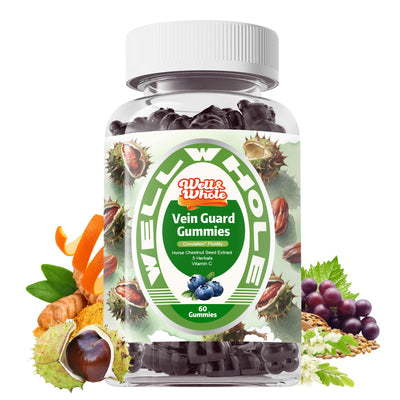
If you're ready to put this into practice, our well&whole Horse Chestnut Extract Gummies, Circulation Supplements for Legs and Cayenne Pepper Heart Health Gummies with Hawthorn & CoQ10 & Turmeric are formulated with this in mind. You can also compare the Heart Health and CoQ10 ranges to find the format that suits you.
These statements have not been evaluated by the Food and Drug Administration. This product is not intended to diagnose, treat, cure, or prevent any disease.