The Number of Essential Amino Acids: What You Need to Know for Optimal Health

The Number of Essential Amino Acids: What You Need to Know for Optimal Health
When you dig into nutrition science, one number stands out: 9. That’s the number of essential amino acids your body cannot produce on its own. You must get them from food or supplements. For anyone serious about muscle repair, immune function, or overall vitality, understanding this number—and how to hit it daily—makes a real difference. Whether you’re an athlete, a busy professional, or someone managing a plant-based diet, getting the right balance of these nine building blocks is non-negotiable. Let’s break down what they are, why the count matters, and how well&whole helps you bridge the gap when your diet falls short.
What Are Essential Amino Acids and Why Are There Exactly Nine?
Amino acids are the building blocks of protein. Out of the 20 standard amino acids, your body can synthesize 11 on its own. The remaining 9 are called essential because you must obtain them through diet. These nine are: histidine, isoleucine, leucine, lysine, methionine, phenylalanine, threonine, tryptophan, and valine. (Note: For infants, arginine is sometimes considered conditionally essential, but the standard list remains nine.)
Why nine? Evolution shaped human metabolism so that we lost the ability to create these particular molecular structures. They are critical for enzyme production, neurotransmitter synthesis, and tissue repair. Without them, key processes stall. For example, leucine directly triggers muscle protein synthesis, while tryptophan is a precursor to serotonin. The number nine isn’t arbitrary—it’s a precise biological requirement.
Summary: The body requires nine essential amino acids from external sources; they are fundamental for muscle growth, mood regulation, and immune support.
Where Do You Get These Nine Essential Amino Acids?
Animal-based foods like eggs, meat, fish, and dairy naturally contain all nine in sufficient amounts—these are called complete proteins. Plant-based sources, however, often lack one or more. For instance, rice is low in lysine, while beans are low in methionine. That’s why vegetarians and vegans need to practice protein complementation (e.g., rice + beans) to cover the full spectrum.
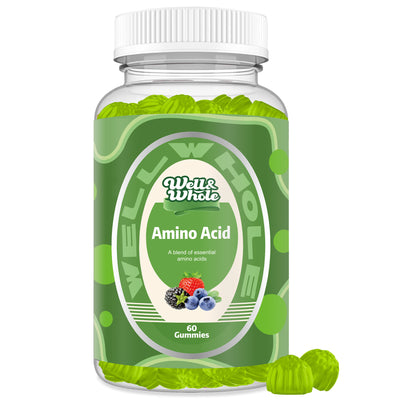
But modern lifestyles don’t always allow perfectly timed meals. A rushed breakfast, a skipped lunch, or a restrictive diet can create gaps. This is where a targeted supplement becomes a practical solution. A quality complete essential amino acids supplement can deliver the exact nine in the right ratios, without the extra calories or preparation time.
Summary: Animal proteins offer all nine essential amino acids easily; plant-based eaters must combine sources or use a complete supplement to avoid deficiencies.
How to Ensure You Get Enough Essential Amino Acids Every Day
The Recommended Dietary Allowance (RDA) for protein is 0.8 g per kg of body weight, but that covers total protein, not specifically the essential amino acid profile. For optimal muscle maintenance and metabolic health, experts often suggest 1.2–1.6 g/kg for active individuals. That means you need not just quantity, but quality.
One practical way: aim for a complete protein source at each meal. If that’s not doable, a scoop of an essential amino acids for muscle recovery supplement (like those from well&whole) can fill the gap. Research published by the International Society of Sports Nutrition confirms that supplementing with essential amino acids improves muscle protein synthesis more effectively than whey protein alone in certain contexts. For people over 40, when muscle breakdown naturally accelerates, maintaining adequate levels of leucine, isoleucine, and valine becomes even more critical.
Summary: Calculate your protein needs based on activity level; prioritize complete sources daily, and consider a targeted amino acids blend for convenience and efficacy.
The Risks of Inadequate Essential Amino Acid Intake
When you consistently fall short on even one essential amino acid, your body enters a state called negative nitrogen balance. This leads to muscle wasting, weakened immunity, poor wound healing, and fatigue. For example, low lysine can impair calcium absorption, while insufficient tryptophan may affect sleep and mood. Over time, chronic deficiencies contribute to sarcopenia (age-related muscle loss) and metabolic slowdown.
The solution isn’t just “eat more protein”—it’s “eat the right kind of protein.” Many processed foods and plant-based meat alternatives are high in total protein but low in critical amino acids like methionine or histidine. That’s why reading labels and choosing high-quality, balanced sources matters. well&whole formulates its plant-based amino acids blend to mirror the exact ratios found in human tissue, ensuring maximum absorption and utilization.
Summary: Missing essential amino acids leads to muscle loss, immune weakness, and metabolic issues; a balanced supplement can prevent these outcomes effectively.
How well&whole Bridges the Gap
As a保健品贸易公司, well&whole focuses on delivering pure, third-party tested essential amino acid supplements that align with current nutritional science. Each serving provides the complete nine in a 2:1:1 ratio of leucine, isoleucine, and valine—the gold standard for muscle support. The formulations are free from artificial fillers and designed for rapid absorption. Whether you need a post-workout boost or a daily safety net for your plant-based diet, well&whole ensures your body gets exactly what it needs.
Summary: well&whole offers a reliable, science-backed way to meet your essential amino acid requirements, supporting everything from recovery to daily wellness.
Frequently Asked Questions
1. How many essential amino acids do I need per day?
The exact amount varies by body weight and activity level. For a 70 kg adult, the World Health Organization (WHO) suggests approximately 12–14 mg per kg of body weight for each essential amino acid. That means roughly 0.8–1 g of leucine per day for a sedentary person, and up to 3–4 g for athletes.
2. Can I get all nine essential amino acids from a plant-based diet?
Yes, but it requires careful planning. Combining grains and legumes (e.g., rice with beans, or whole wheat bread with peanut butter) creates a complete profile. However, many people find it challenging to cover all nine at every meal. A complete essential amino acids supplement like the one from well&whole takes the guesswork out.
3. Are essential amino acid supplements safe?
Generally yes, when taken as directed. The FDA does not evaluate supplements for efficacy, but third-party testing (e.g., NSF, USP) ensures purity. Overconsumption (above 20–30 g of amino acids in a single dose) may cause digestive discomfort. Stick to the serving size on the label. If you have kidney or liver issues, consult your healthcare provider first.
References
- World Health Organization (WHO). “Protein and Amino Acid Requirements in Human Nutrition.” WHO Technical Report Series 935, 2007.
- Phillips, S. M., et al. “International Society of Sports Nutrition Position Stand: Protein and Exercise.” Journal of the International Society of Sports Nutrition, vol. 14, no. 20, 2017.
- Nutrient Reference Values for Australia and New Zealand, “Amino Acids.” National Health and Medical Research Council, 2014.
These statements have not been evaluated by the Food and Drug Administration. This product is not intended to diagnose, treat, cure, or prevent any disease.