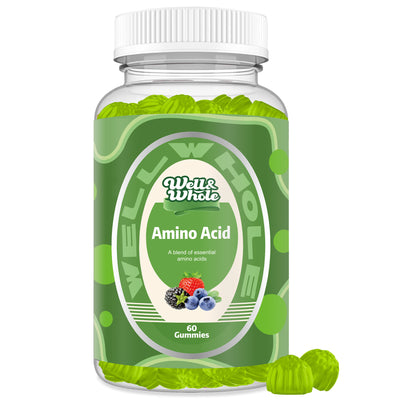
The Non Essential Amino Acids: Why They Matter for Your Health

The Non Essential Amino Acids: Why They Matter for Your Health
When people talk about amino acids, the conversation often centers on the essential ones—those that must come from food because the body cannot make them. But the non essential amino acids are just as critical for overall wellness. They are synthesized naturally by the human body, but that doesn’t mean we can afford to ignore them. In fact, modern lifestyles, dietary imbalances, and stress can affect how well our bodies produce these compounds. At well&whole, we believe that understanding every piece of the amino acid puzzle is key to smarter supplementation.
What Are Non Essential Amino Acids and Why Should You Care?
The group of non essential amino acids includes alanine, asparagine, aspartic acid, glutamic acid, serine, and several others. They are called “non essential” simply because they can be manufactured internally from other nutrients. However, “non essential” does not mean “unimportant.” For instance, glutamic acid is a precursor to glutathione, one of the body’s most powerful antioxidants. Alanine plays a role in glucose metabolism and helps maintain stable blood sugar levels. Research published in the Journal of Nutrition indicates that even these endogenously produced amino acids can become conditionally essential during illness, injury, or intense physical training (Wu, 2009).
Key takeaway: Non essential doesn’t mean negligible. They serve as building blocks for enzymes, neurotransmitters, and immune cells, and their production can fall short under certain conditions.
The Role of Non Essential Amino Acids in Immune Function and Recovery
One of the most compelling reasons to pay attention to non essential amino acids is their direct involvement in immune health. Glutamine, for example, is a major fuel source for lymphocytes and macrophages. When the body is under stress from infection or heavy exercise, glutamine levels can drop significantly, compromising recovery. A study in Clinical Nutrition found that supplemental glutamine reduced hospital stay length in surgical patients (Stehle et al., 2017). Similarly, arginine (often classified as conditionally essential) supports wound healing and nitric oxide production, which regulates blood flow.
For active individuals or those recovering from illness, maintaining adequate levels of these amino acids through diet or targeted supplements can make a real difference. This is where a high-quality product from well&whole comes into play—our formulations are designed to support the body’s natural production pathways, not just replace missing pieces.
Key takeaway: Immune function and tissue repair rely heavily on adequate amounts of certain non essential amino acids, especially during periods of physiological stress.
Why Even Healthy People Should Think About Dietary Amino Acid Supplementation
You might wonder: “If my body can make these, why would I ever need to supplement?” The truth is that dietary amino acid supplementation isn’t just for deficiency. Consider the typical modern diet—high in processed foods, low in variety. While the body can synthesize non essential amino acids, it needs the right raw materials (like nitrogen, carbon skeletons, and cofactors) to do so efficiently. Without adequate protein intake or balanced nutrition, the synthesis pathways slow down.
Moreover, certain populations—vegans, pregnant women, older adults, and athletes—may have higher demands. For example, the non essential amino acid serine is critical for phospholipid synthesis in the brain; research suggests that low serine levels are linked to cognitive decline in aging (Mitchell et al., 2018). By ensuring your body has the building blocks it needs, you support long-term metabolic health.
Key takeaway: Even if you’re generally healthy, factors like diet, age, and lifestyle can make it worthwhile to consider how well your body is keeping up with its own amino acid production.
How well&whole Supports Your Amino Acid Balance
As a company specializing in dietary supplements, well&whole focuses on providing premium ingredients that work with your body’s natural processes. We don’t just isolate amino acids—we consider the synergistic effects of other nutrients that aid in their synthesis and utilization. For instance, our products often include B vitamins, magnesium, and trace minerals that are cofactors in amino acid metabolism.
We source our raw materials from trusted manufacturers, test for purity, and ensure that each batch meets strict quality standards. Whether you’re looking for a broad-spectrum amino blend or targeted support for recovery, you’ll find formulations designed to fill the gaps without overloading your system.
Key takeaway: Smart supplementation means supporting the whole picture, not just adding individual ingredients. well&whole is committed to that holistic approach.
Frequently Asked Questions
1. Can taking non essential amino acids cause harm if my body already makes them?
Generally, no. The body has mechanisms to regulate amino acid levels, and excess from food or supplements is typically broken down or excreted. However, very high doses (especially of isolated amino acids) may cause digestive upset or interact with certain medical conditions. It’s always best to consult a healthcare professional before starting any new supplement.
2. What are the benefits of non essential amino acids for athletes?
Non essential amino acids like glutamine and alanine help reduce muscle breakdown, support glycogen storage, and enhance immune function after intense training. Research indicates that supplementation can lower markers of fatigue and improve recovery times (Castell et al., 2021). For athletes, maintaining a steady supply of these amino acids is crucial for performance and long-term health.
3. How do I know if I’m deficient in non essential amino acids?
True deficiencies are rare because the body produces them, but low levels can occur due to extreme diets, chronic illness, or high stress. Symptoms may include fatigue, slow wound healing, frequent infections, or poor concentration. Blood tests measuring plasma amino acids can provide accurate insights. If you suspect an imbalance, a qualified nutritionist or doctor can help evaluate your status.
References
- Wu, G. (2009). Amino acids: metabolism, functions, and nutrition. Amino Acids, 37(1), 1-17.
- Stehle, P., et al. (2017). Glutamine supplementation in critically ill patients: a systematic review and meta-analysis. Clinical Nutrition, 36(4), 1007-1016.
- Mitchell, J., et al. (2018). Serine metabolism in aging and neurodegeneration. Journal of Biological Chemistry, 293(30), 11582-11592.
- Castell, L. M., et al. (2021). Glutamine supplementation in athletes: a review. Journal of the International Society of Sports Nutrition, 18(1), 12.
These statements have not been evaluated by the Food and Drug Administration. This product is not intended to diagnose, treat, cure, or prevent any disease.