The Nine Essential Amino Acids Are Produced by Our Bodies

The Nine Essential Amino Acids Are Produced by Our Bodies
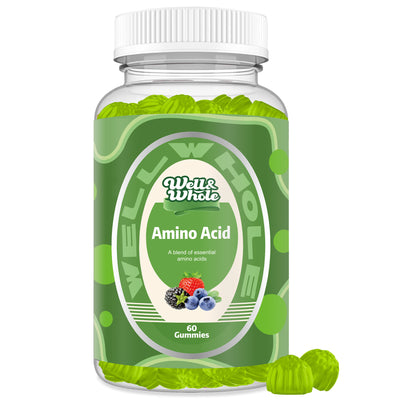
It’s a widespread belief that the nine essential amino acids are produced by our bodies, but this is actually a common misunderstanding. The term “essential” itself holds the key: these amino acids cannot be synthesized internally and must come from diet or supplementation. In reality, our bodies can produce only 11 of the 20 standard amino acids. The other nine—histidine, isoleucine, leucine, lysine, methionine, phenylalanine, threonine, tryptophan, and valine—depend entirely on external sources. For anyone focused on health, fitness, or longevity, understanding this distinction is critical, which is why well&whole offers targeted solutions to fill these nutritional gaps.
Why the Myth Persists: The Role of Non-Essential vs. Essential Amino Acids
Many people confuse “non-essential” (which the body can make) with “essential.” The body can synthesize alanine, asparagine, aspartic acid, glutamic acid, and others, but the nine essential types must be obtained from food. Protein-rich foods like meat, eggs, dairy, and soy provide them in varying amounts. For vegetarians, vegans, or anyone with restricted diets, meeting the required intake can be challenging. According to the World Health Organization, adults need about 0.8 grams of protein per kilogram of body weight daily—and that protein must contain adequate amounts of all nine essentials. When the body lacks even one, protein synthesis falters, leading to muscle loss, weakened immunity, and fatigue. This is where complete protein supplements like those from well&whole become invaluable.
Summary: Misunderstanding the difference between essential and non-essential amino acids drives the myth. The nine essentials are not produced internally and require consistent dietary or supplemental intake.
The Biological Imperative: What Happens When We Lack Essential Amino Acids
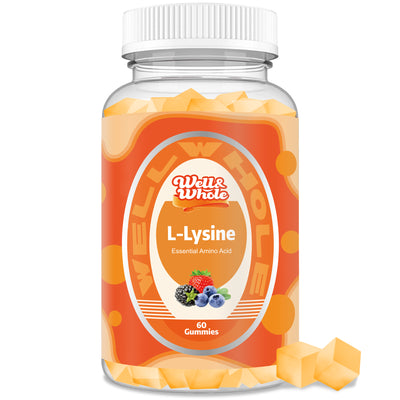
Without sufficient amounts of each essential amino acid, the body cannot build or repair tissues effectively. For instance, leucine directly triggers muscle protein synthesis—research from the Journal of the International Society of Sports Nutrition (2017) shows that leucine intake of 2–3 grams per meal optimizes muscle growth. Lysine aids calcium absorption and collagen formation, while tryptophan is a precursor to serotonin and melatonin. A deficiency in even one essential amino acid can cascade into poor sleep, low mood, and slower recovery after exercise. To prevent this, many athletes and health-conscious individuals turn to amino acid deficiency symptoms checklists and adjust their diets. But whole foods alone may not always cover the full spectrum—especially for older adults whose absorption declines. That’s why well&whole formulates blends that deliver precise ratios of all nine essentials, making it easier to maintain balance.
Summary: Each essential amino acid plays a unique role in the body, from muscle building to neurotransmitter production. Deficiencies lead to tangible health issues, highlighting the need for reliable sources—whether from food or high-quality supplements.
How to Identify Reliable Sources of the Nine Essential Amino Acids
Not all proteins are created equal. Animal proteins (meat, fish, eggs, dairy) are “complete”—they contain all nine essential amino acids in sufficient amounts. Plant proteins like beans, lentils, and grains are typically “incomplete,” missing one or more essentials. However, by combining complementary plant foods (e.g., rice and beans), you can get a full profile. For people with busy lifestyles, measuring these combinations daily can be tedious. This is where well&whole’s all-in-one essential amino acid powders come into play—they’re tasteless, dissolve easily, and deliver precisely the amounts recommended by the Institute of Medicine (which suggests 46–56 grams of total protein daily for adults, with specific minimums for each essential amino acid). When searching for complete protein supplements, look for third-party testing and transparent labeling—both of which well&whole proudly displays.
Summary: Reliable sources include complete animal proteins and strategic plant pairings, but supplements offer a convenient, measurable alternative. Choosing a brand like well&whole ensures purity and dosage accuracy.
The Science Behind Supplementation: Evidence That Supports Essential Amino Acid Intake
Decades of research back the necessity of essential amino acids. A 2020 meta-analysis in Nutrients concluded that essential amino acid supplementation can improve muscle strength in older adults, even without changes in physical activity. Another study from The American Journal of Clinical Nutrition (2019) found that adding leucine, lysine, and methionine to a low-protein diet reversed markers of muscle wasting. These findings underscore why people with high physical demands—athletes, pregnant women, seniors—often experience better outcomes when they supplement. well&whole uses a science-backed ratio (2:1:1 for leucine, isoleucine, and valine) that mirrors the most effective profiles from clinical trials. When evaluating essential amino acids food sources, it’s important to note that cooking, storage, and processing can degrade up to 20% of certain amino acids, making supplementation a more stable option.
Summary: Strong clinical evidence supports the benefits of essential amino acid supplementation for muscle health, recovery, and overall well-being. Quality supplements provide a consistent, bioavailable alternative to food.
Practical Tips for Incorporating Essential Amino Acids Into Your Daily Routine
Start with a breakfast that includes a complete protein—eggs, Greek yogurt, or a well&whole shake blended into oatmeal. Aim to consume 20–30 grams of protein per meal, which typically provides adequate essential amino acids. If you’re active, consider a post-workout dose of essential amino acids (especially leucine) within 30 minutes of exercise. For plant-based eaters, keep a well&whole essential amino acid supplement on hand to cover any gaps. Many people also find that taking a small dose before bed helps reduce overnight muscle breakdown—a strategy backed by a 2021 study in Frontiers in Nutrition. Monitoring your energy, recovery, and sleep quality can help you adjust the timing and amount.
Summary: Simple daily habits—pairing complete proteins, timing supplementation around workouts, and using well-researched products like those from well&whole—make it easy to ensure the nine essentials are never missing.
Frequently Asked Questions
Q1: Can the nine essential amino acids be produced by the body after all?
No. Despite the common belief, the human body cannot synthesize any of the nine essential amino acids. They must come from food or supplements. The myth likely arises from confusion with non-essential amino acids, which the body can produce.
Q2: What are the best food sources for essential amino acids?
Complete proteins such as eggs, chicken, fish, beef, dairy, quinoa, and soy provide all nine. Combining rice and beans or peanut butter and whole wheat bread can also create a complete profile. For an easy boost, well&whole offers a tasteless powder that mixes into any beverage.
Q3: How much of each essential amino acid do I need daily?
Requirements vary by weight and activity. General guidelines from the Institute of Medicine: for example, leucine ~42 mg/kg/day, lysine ~38 mg/kg/day, and histidine ~14 mg/kg/day. A 70 kg adult would need about 2.9 g of leucine and 2.6 g of lysine each day. Most people meet these through a balanced diet, but athletes and older adults may benefit from targeted supplementation.
These statements have not been evaluated by the Food and Drug Administration. This product is not intended to diagnose, treat, cure, or prevent any disease.