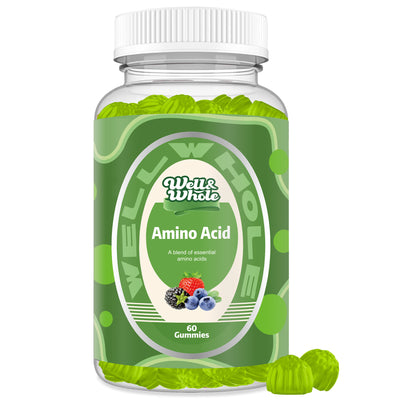
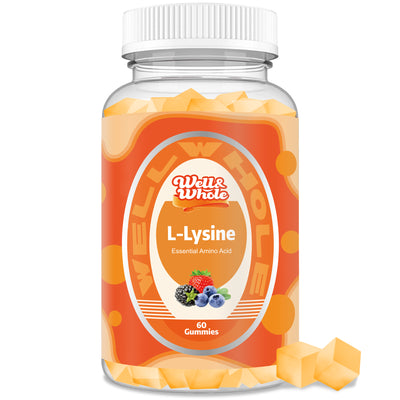
The nine essential amino acid

The nine essential amino acids are the building blocks your body cannot produce on its own. They must come from food or supplements, and they play distinct roles in everything from muscle repair to neurotransmitter synthesis. For anyone interested in optimizing health, fitness, or recovery, knowing these nine—and how to get enough of them—is non‑negotiable. As a health‑focused trading company, well&whole is committed to helping you bridge the gap between diet and optimal intake.
1. Branched‑Chain Amino Acids (BCAAs): Leucine, Isoleucine, Valine
These three are unique because they are metabolized directly in muscle tissue rather than the liver. Leucine is the most powerful trigger for muscle protein synthesis—study after study shows it activates the mTOR pathway, which is essential for building lean mass[1]. Isoleucine plays a key role in glucose uptake and energy regulation, while valine helps maintain nitrogen balance and prevent muscle breakdown during endurance exercise.
Food sources rich in BCAAs include chicken breast, beef, eggs, whey protein, and soybeans. For vegetarians or those with higher training demands, a targeted BCAA supplement can be a practical solution. well&whole offers a balanced BCAA formula with a 2:1:1 ratio, designed to deliver these essential amino acids precisely when your muscles need them most.
Summary: BCAA's are critical for muscle protein synthesis, energy metabolism, and recovery. Without adequate dietary intake, your body will break down existing muscle to meet demands.
2. Lysine, Methionine, and Histidine: Structural and Metabolic Linchpins
Lysine is indispensable for collagen formation—the scaffold of skin, bones, and tendons. It also aids calcium absorption and carnitine production, which helps convert fat into energy[2]. Methionine is a sulfur‑containing amino acid that acts as a precursor for cysteine and glutathione, your body’s master antioxidant. Histidine, often overlooked, is required for histamine synthesis (immune response) and for maintaining the myelin sheath that protects nerve cells[3].
Animal proteins dominate here: turkey, fish, dairy, and pork are excellent sources. Plant‑based eaters should pair legumes with grains (e.g., rice and beans) to create a complete profile. well&whole’s complete amino acid complex includes all three in clinically relevant amounts, ensuring you don’t miss these often‑deficient nutrients.
Summary: Lysine, methionine, and histidine support connective tissue, antioxidant defense, and nerve health. Deficiencies can impair wound healing and immunity.
3. Tryptophan, Phenylalanine, and Threonine: Mind‑Body Regulators
Tryptophan is famous for its role in serotonin and melatonin production—it influences mood, sleep, and appetite. Phenylalanine is a precursor for tyrosine, which then becomes dopamine and norepinephrine, the neurotransmitters that control focus, motivation, and stress response[4]. Threonine is critical for mucin production, which protects your gut lining, and for maintaining healthy enamel and collagen.
These three are often found in pumpkin seeds, turkey, tofu, cheese, and oats. Because they are involved in brain chemistry, imbalances can affect mental clarity and sleep quality. For people with busy lifestyles or digestive issues, a convenient amino acid supplement that delivers these in a balanced form can make a real difference. well&whole sources its phenylalanine and threonine from non‑GMO fermentation, a process that ensures high purity and bioavailability.
Summary: Tryptophan, phenylalanine, and threonine govern sleep, mood, gut integrity, and cognitive function. A steady supply is vital for mental resilience and physical repair.
How to Secure Your Nine Essential Amino Acids
The World Health Organization recommends that adults get about 0.8 g of protein per kg of body weight daily, with at least 30–40% of that coming from high‑quality sources that contain all nine essential amino acids in adequate ratios[5]. Whole foods like eggs, quinoa, buckwheat, and spirulina naturally fit the bill. However, for individuals who are active, recovering from illness, or following restrictive diets (vegan, low‑calorie), supplementation bridges the gap efficiently.
well&whole is built on the principle that every essential amino acid matters. Our products use third‑party tested raw materials, and each batch is verified for purity and potency. Whether you prefer capsules, powders, or ready‑to‑drink formats, you can find a solution that fits seamlessly into your daily routine.
Frequently Asked Questions
Q1: Can I get all nine essential amino acids from a plant‑based diet?
Yes, but you need to combine complementary proteins—like rice with beans, hummus with whole‑wheat pita, or peanut butter on whole‑grain bread. Soy products (tofu, tempeh) and quinoa are complete on their own. If your diet is strictly vegan and high‑volume, a well&whole essential amino acid supplement can provide assurance without the guesswork.
Q2: Who most benefits from essential amino acid supplements?
Athletes and older adults are at the top of the list—athletes need more leucine for muscle repair, while older adults often have reduced digestion efficiency. Also, anyone recovering from surgery, dealing with chronic stress, or following a low‑calorie diet may find that targeted supplementation supports faster recovery and better energy.
Q3: Are essential amino acid supplements safe for long‑term use?
According to the European Food Safety Authority, daily intakes up to 20 g of total essential amino acids are safe for healthy adults[6]. well&whole formulates its products within these guidelines and recommends following the suggested serving size. As with any dietary change, consulting a healthcare professional is wise, especially if you have pre‑existing kidney or liver conditions.
References
[1] Morton, R.W., et al. (2018). “A systematic review, meta‑analysis and meta‑regression of the effect of protein supplementation on resistance training‑induced gains in muscle mass and strength.” British Journal of Sports Medicine, 52(6), 376–384.
[2] Institute of Medicine (2005). Dietary Reference Intakes for Energy, Carbohydrate, Fiber, Fat, Fatty Acids, Cholesterol, Protein, and Amino Acids. Washington, DC: National Academies Press.
[3] Brosnan, M.E., & Brosnan, J.T. (2006). “Histidine metabolism and function.” Journal of Nutrition, 136(6 Suppl), 1717S–1722S.
[4] Fernstrom, J.D. (2013). “Large neutral amino acids: dietary effects on brain neurochemistry and function.” Amino Acids, 45(3), 419–430.
[5] World Health Organization (2007). Protein and Amino Acid Requirements in Human Nutrition. WHO Technical Report Series 935.
[6] EFSA Panel on Dietetic Products, Nutrition and Allergies (2012). “Scientific Opinion on the safety of L‑amino acids as sources of nitrogen for enteral and parenteral nutrition.” EFSA Journal, 10(7), 2807.
These statements have not been evaluated by the Food and Drug Administration. This product is not intended to diagnose, treat, cure, or prevent any disease.