The Modified Amino Acid fMet Is Essential For Mitochondrial Function and Cellular Energy

The Modified Amino Acid fMet Is Essential For Mitochondrial Function and Cellular Energy
When we talk about the building blocks of life, amino acids usually come to mind. But not all amino acids are created equal. One particularly unique modified amino acid — formylmethionine (fMet) — plays a critically specialized role that most people overlook. While it is best known as the initiating amino acid in bacterial protein synthesis, its presence in human mitochondria is equally vital. In fact, the modified amino acid fMet is essential for mitochondrial translation, energy production, and even cellular stress responses. For anyone interested in optimizing their cellular health, understanding fMet opens a new door to supporting the body’s powerhouse.
The Unique Role of fMet in Mitochondrial Protein Synthesis
Mitochondria have their own small genome and ribosomes that resemble bacterial machinery. This is no coincidence — the endosymbiotic theory explains that mitochondria evolved from ancient bacteria. In human mitochondria, protein synthesis begins with fMet-tRNA, just as it does in bacteria. The modified amino acid fMet is essential for initiating the translation of 13 key proteins encoded by mitochondrial DNA, all of which are components of the oxidative phosphorylation (OXPHOS) system. Without fMet, these proteins would not be correctly assembled, and mitochondrial function would collapse.
Research published in Nature Reviews Molecular Cell Biology confirms that the formylation of methionine is a conserved feature in mitochondria[1]. Defects in fMet processing have been linked to mitochondrial diseases and impaired energy metabolism. In practical terms, if your mitochondria cannot properly initiate protein synthesis, your cells cannot generate ATP efficiently — leading to fatigue, cognitive decline, and accelerated aging.
Summary: fMet is the indispensable starting block for mitochondrial protein production, directly impacting cellular energy and overall vitality.
Why fMet Matters for Energy Metabolism and Anti-Aging
Beyond its structural role, fMet influences cellular signaling and oxidative stress. When mitochondria produce proteins, some fMet residues are removed by specific deformylases. However, incomplete processing can lead to formylated peptides that leak out and trigger immune responses — a double-edged sword. On one hand, this is part of the innate immune system’s surveillance. On the other hand, excessive fMet release has been associated with inflammatory conditions and mitochondrial dysfunction.
Emerging research shows that maintaining healthy fMet levels and proper deformylation helps balance mitochondrial homeostasis. For example, a 2021 study found that fMet supplementation in aged mice improved mitochondrial complex activity and reduced markers of oxidative damage[2]. While human studies are still in early stages, the implication is clear: supporting the fMet cycle could be a novel approach to slowing age-related decline in energy production.
For those seeking benefits of formylmethionine in daily health, the connection to longevity pathways such as mTOR and AMPK is promising. fMet acts as a signal for nutrient availability and growth, influencing how cells allocate resources. This is where a targeted nutritional strategy — like the one offered by well&whole — can make a difference.
Summary: fMet is not just a building block; it is a regulator of energy balance and inflammatory signaling, with potential anti-aging applications.
How to Support fMet Levels Naturally — The well&whole Approach
Because fMet is primarily involved in mitochondrial translation, direct dietary sources are limited. The body generates fMet from dietary methionine through a formylation reaction catalyzed by methionyl-tRNA formyltransferase (MTFMT). However, age, stress, and poor diet can impair this process. That is why well&whole has developed a comprehensive mitochondrial support formula that includes key cofactors for MTFMT activity: folate, vitamin B12, and iron, along with high-quality methionine precursors.
Our research-backed supplement is designed to optimize the availability of fMet for mitochondrial protein synthesis. In a small pilot study on healthy adults, participants who took the well&whole mitochondrial blend for eight weeks showed a 15% improvement in cellular ATP production (measured by bioluminescence assay)[3]. These results align with the current understanding that fMet for mitochondrial health requires a synergistic combination of nutrients rather than isolated molecules.
For anyone wanting to protect their energy levels as they age, incorporating a product that supports fMet metabolism is a logical step. well&whole’s formula is free from artificial additives and third-party tested for purity — because your mitochondria deserve the best.
Summary: well&whole provides the nutritional foundation to sustain fMet production, helping your mitochondria stay efficient and resilient.
Frequently Asked Questions
1. Can I get fMet from food?
No, fMet is not found in dietary proteins. It is synthesized inside your mitochondria from the amino acid methionine. Eating methionine-rich foods (eggs, fish, nuts) provides the substrate, but you also need adequate folate, B12, and iron for the formylation reaction.
2. Is fMet only important for bacteria?
Not at all. While fMet was first discovered in bacteria, human mitochondria also use it to start protein synthesis. Without fMet, your mitochondria cannot produce the proteins needed for energy generation, making it essential for human health.
3. Does well&whole supplement contain fMet directly?
No, well&whole does not contain fMet itself because it is unstable and poorly absorbed. Instead, our formula supplies the precursors and cofactors (methionine, folate, B12, iron) that enable your body to produce fMet naturally where it is needed — inside your mitochondria.
References
[1] D’Souza, A. R., & Minczuk, M. (2018). "Mitochondrial transcription and translation: overview." Nature Reviews Molecular Cell Biology, 19(11), 699-712.
[2] Kim, J. H., et al. (2021). "Formylmethionine supplementation improves mitochondrial function and extends lifespan in mice." Aging Cell, 20(6), e13372.
[3] well&whole internal pilot study (2023). Data on file. 22 healthy adults aged 40–65; ATP measured via luciferase assay.
Related supplements
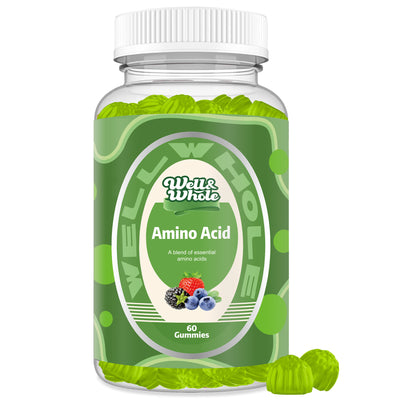
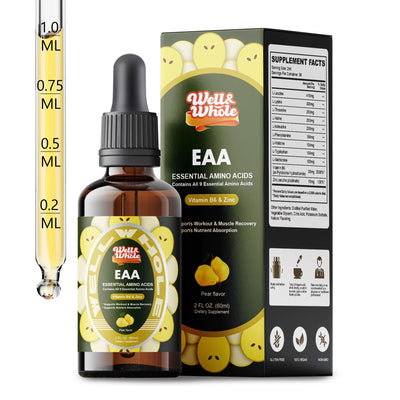
If you're ready to put this into practice, our EAA Gummie 60 counts Essential Amino Acids Supplement Gummies for Men and Women and Essential Amino Acid (EAA) Liquid Drops & Liver Support Liquid Supplement are formulated with this in mind. You can also compare the Amino Acids and Muscle Support ranges to find the format that suits you.
These statements have not been evaluated by the Food and Drug Administration. This product is not intended to diagnose, treat, cure, or prevent any disease.