The Essential Nutrients Made Up of Amino Acids Are: Why Your Body Needs Them Every Day

The Essential Nutrients Made Up of Amino Acids Are: Why Your Body Needs Them Every Day
When we talk about the building blocks of life, proteins immediately come to mind. But what many people don’t realize is that the essential nutrients made up of amino acids are what truly power every cell, tissue, and organ in your body. There are twenty standard amino acids, and nine of them are classified as "essential" because the human body cannot synthesize them on its own. They must come from food or high-quality supplements. Understanding these nutrients and how to incorporate them into your daily routine is critical for overall health, especially if you lead an active lifestyle or are looking to optimize your wellness journey.
What Exactly Are Essential Amino Acids and Why Do They Matter?
Amino acids are organic compounds that combine to form proteins. Think of them as individual beads on a necklace; the sequence and variety determine the protein’s function. The nine essential amino acids are histidine, isoleucine, leucine, lysine, methionine, phenylalanine, threonine, tryptophan, and valine. Each plays a unique role in your body. For example, leucine is a powerful trigger for muscle protein synthesis, while tryptophan is a precursor to serotonin and melatonin, affecting mood and sleep. Without adequate intake of these nine, your body cannot repair tissues, produce enzymes or hormones, or maintain a strong immune system.
A 2020 review published in the Journal of the International Society of Sports Nutrition confirmed that essential amino acid supplementation, particularly leucine-rich formulas, significantly enhances muscle recovery and growth after resistance training. This is why bodybuilders and athletes often rely on EAA supplements. But the benefits extend far beyond the gym. Adequate essential amino acid intake supports collagen production for healthy skin, helps regulate blood sugar, and even improves cognitive function.
Summary: Essential amino acids are indispensable because your body can’t make them. They are the foundation of muscle repair, hormone balance, and overall vitality. Without them, even the healthiest diet falls short.
How to Identify Complete Protein Sources – And When to Supplement
Not all protein sources are created equal. A "complete protein" contains all nine essential amino acids in sufficient amounts. Animal-based foods like eggs, chicken, fish, dairy, and beef are naturally complete. However, plant-based proteins often lack one or more essential amino acids. For example, rice is low in lysine, while beans are low in methionine. This is where the concept of complementary proteins becomes important: combining foods like beans and rice creates a complete amino acid profile.
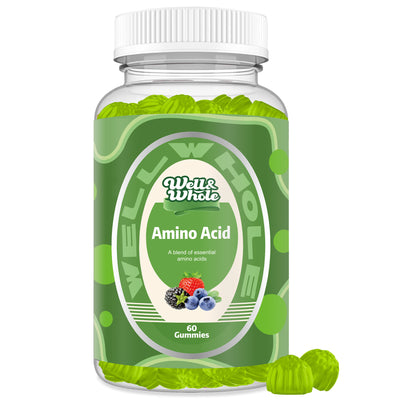
For vegans, vegetarians, or anyone with limited animal product intake, complete protein sources for vegans include quinoa, buckwheat, soy (tofu, tempeh), hemp seeds, and chia seeds. However, getting enough of each amino acid daily can be challenging through diet alone, especially for older adults or people with higher protein needs. That’s where a high-quality essential amino acid supplement from a trusted brand like well&whole can bridge the gap. Their meticulously formulated EAA blend provides the precise ratios your body needs for optimal absorption and utilization.
According to the World Health Organization’s suggested amino acid scoring pattern, an adult weighing 70 kg requires approximately 0.66 g of protein per kg of body weight per day, but when it comes to specific amino acids like leucine, the need can be as high as 2–3 grams per meal to maximize muscle synthesis. For many people, reaching that threshold through food alone is difficult, making supplementation a practical solution.
Summary: If your diet lacks variety or you follow a plant-based lifestyle, you may not get all nine essential amino acids every day. Identifying complete protein sources is key, but supplementing with a lab-tested EAA product ensures you never miss out on these critical nutrients.
The Role of Essential Amino Acids in Recovery, Immunity, and Longevity
Beyond muscle building, essential amino acids play a silent yet powerful role in everyday health. Benefits of essential amino acids for muscle recovery are well documented, but they also support your immune system. Glutamine and arginine (conditionally essential in certain states) are often highlighted, but the nine true essentials are equally important. For instance, threonine is crucial for the immune system’s antibody production, while valine helps maintain energy levels during intense exercise.
Aging also increases the need for essential amino acids. Sarcopenia (age-related muscle loss) affects nearly 10% of adults over 60, and EAA supplementation has been shown to counteract this decline. A 2018 study in Nutrients found that daily supplementation with 15 grams of essential amino acids for 12 weeks improved muscle strength and physical function in elderly participants. This highlights that these nutrients are not just for athletes—they are vital for maintaining independence and quality of life as you age.
Another less-known benefit: best essential amino acid supplements for athletes often contain a high proportion of branched-chain amino acids (BCAAs), which are three of the nine essential amino acids (leucine, isoleucine, valine). BCAAs reduce exercise-induced muscle soreness and fatigue. However, a complete EAA formula outperforms BCAAs alone because it provides all nine, supporting a broader range of metabolic processes.
Summary: Essential amino acids influence everything from immune defense to muscle preservation during aging. Whether you’re training hard or simply want to age gracefully, ensuring an adequate intake of all nine is a smart, science-backed strategy.
Why well&whole Stands Out for Your Essential Amino Acid Needs
As a company dedicated to high-quality dietary supplements, well&whole understands that purity and bioavailability matter. We source our essential amino acids from reputable manufacturers and test every batch for potency and contaminants. Our EAA powder mixes easily into water or your favorite smoothie, providing a clean, neutral taste that doesn’t overwhelm your palate. Each serving delivers the exact ratios recommended by sports nutrition research, with 5 grams of leucine per scoop to maximize anabolic response.
We also cater to specific dietary preferences: our product is vegan, gluten-free, non-GMO, and contains no artificial colors or fillers. For those wondering “can I take EAAs every day?”, the answer is yes, and many users report noticeable improvements in workout performance, daily energy, and even skin complexion after consistent use. Remember, the essential nutrients made up of amino acids are exactly what your body relies on—so giving them in a convenient, digestible form is an investment in your long-term health.
Summary: well&whole’s EAA supplement offers a clean, effective way to fill any nutritional gaps. With transparent labeling and a focus on quality, it’s a reliable choice for anyone serious about optimizing their amino acid intake.
Frequently Asked Questions About Essential Amino Acids
Q1: Can I get enough essential amino acids from food alone?
Yes, if you eat a varied diet that includes complete proteins like eggs, dairy, meat, fish, or soy. However, plant-based eaters and people with high protein demands (athletes, older adults) often benefit from supplementation to ensure they meet daily targets consistently.
Q2: What is the difference between BCAAs and EAAs?
BCAAs are three specific essential amino acids (leucine, isoleucine, valine). EAAs include all nine. While BCAAs can stimulate muscle protein synthesis, EAAs provide the full spectrum needed for total protein building, immune function, and metabolic health. For most people, EAAs are the better choice.
Q3: When is the best time to take essential amino acids?
Taking EAAs around your workout—either 30 minutes before or immediately after—can enhance muscle recovery and reduce soreness. They can also be taken between meals to prevent muscle breakdown, especially during fasting or calorie restriction. For general health, any consistent daily intake works.
*References:
- Journal of the International Society of Sports Nutrition (2020). “Essential amino acid supplementation and muscle recovery.”
- World Health Organization. “Protein and amino acid requirements in human nutrition.” (2007)
- Nutrients (2018). “Effects of essential amino acid supplementation on muscle strength in elderly.”*
These statements have not been evaluated by the Food and Drug Administration. This product is not intended to diagnose, treat, cure, or prevent any disease.