The Eight Essential Amino Acids: Why Your Body Needs Them

The Eight Essential Amino Acids: Why Your Body Needs Them
Amino acids are the building blocks of protein, and out of the 20 standard amino acids, eight are considered essential for adults. That means your body cannot produce them on its own—they must come from food or supplements. If you’re into fitness, managing your diet, or simply want to support overall health, understanding these eight essential amino acids is a game‑changer. At well&whole, we specialize in high‑quality supplements that help you fill nutritional gaps efficiently. Let’s break down what these amino acids are, why they matter, and how you can get enough of them.
What Exactly Are the Eight Essential Amino Acids?
The eight essential amino acids are leucine, isoleucine, valine, lysine, methionine, phenylalanine, threonine, and tryptophan. (Note: histidine is often considered essential for infants and sometimes for adults, but the classic “eight” list applies to mature individuals.) Each plays a distinct role in muscle repair, neurotransmitter production, immune function, and more.
- Leucine is the star for muscle protein synthesis.
- Isoleucine helps with energy regulation and hemoglobin production.
- Valine supports muscle metabolism and tissue repair.
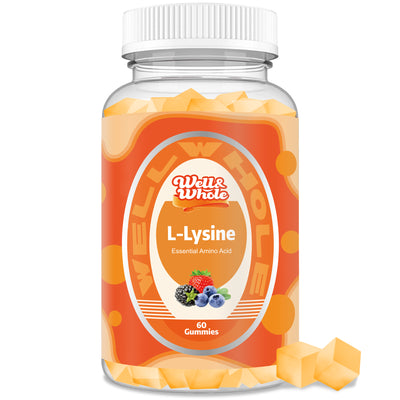
- Lysine is crucial for calcium absorption and collagen formation.
- Methionine assists in detoxification and metabolism of fats.
- Phenylalanine is a precursor for tyrosine, which produces dopamine and norepinephrine.
- Threonine is important for skin, connective tissue, and tooth health.
- Tryptophan is the precursor for serotonin and melatonin, affecting mood and sleep.
Summary: These eight amino acids are non‑negotiable for your body’s daily operations. Without them, processes like muscle building, hormone balance, and immune defense suffer.
Food Sources vs. Supplementation: Getting Your Essential Amino Acids
Complete protein sources—such as meat, fish, eggs, dairy, and soy—contain all eight essential amino acids in sufficient amounts. Plant‑based proteins (beans, grains, nuts) are often incomplete, meaning they lack one or more of these aminos. That’s where supplementation becomes valuable, especially for vegans, vegetarians, or people with high protein demands.
According to the World Health Organization (WHO), the recommended intake for adults is roughly 0.8 g of protein per kg of body weight per day, with specific requirements for each essential amino acid. For example, leucine needs are around 39 mg per kg of body weight daily (source: WHO/FAO/UNU 2007 report). Many people struggle to hit these targets through diet alone, which is why targeted amino acid supplements have gained popularity.
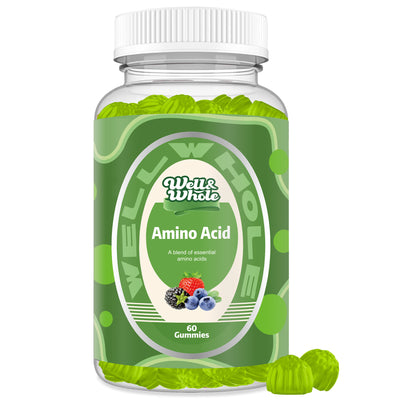
If you’re looking for a convenient, reliable source, well&whole offers a balanced blend of all eight essential amino acids in easily absorbable forms. Our products are third‑party tested for purity and potency, so you know exactly what you’re getting. Whether you’re an athlete trying to optimize recovery or someone simply aiming to maintain muscle mass with age, adding a complete amino acid supplement can make a tangible difference.
Summary: While whole foods are ideal, modern lifestyles and dietary restrictions often create gaps. Supplements from a trusted brand like well&whole can bridge those gaps without the guesswork.
How Each Essential Amino Acid Supports Specific Health Goals
Understanding the individual roles helps you target your needs. For instance, leucine is often highlighted in sports nutrition because it directly triggers muscle protein synthesis. A 2017 study in the Journal of the International Society of Sports Nutrition found that leucine‑enriched supplements improved muscle repair after resistance training. Similarly, tryptophan is well‑known for its calming effects—it’s the reason turkey is associated with sleepiness, though the effect is modest without proper absorption.
Lysine has been studied for its role in reducing anxiety and preventing cold sores (herpes simplex outbreaks). Methionine is a precursor to SAMe, which supports liver health and joint function. Phenylalanine is sometimes used in combination with other therapies for depression, although more research is needed. Because these aminos work synergistically, focusing on one alone can create imbalances. A full‑spectrum essential amino acid supplement ensures you get the right ratios.
Summary: Each essential amino acid has unique benefits, but they perform best as a team. A balanced formula—like the one from well&whole—supports multiple body systems simultaneously.
Why well&whole Stands Out for Your Amino Acid Needs
As a supplements trading company, well&whole is committed to transparency and quality. Our eight essential amino acids product is formulated with pharmaceutical‑grade ingredients, free from unnecessary fillers, and tested for contaminants. We source from reputable manufacturers and provide full label disclosure. For amino acids for muscle recovery or simply maintaining daily health, our formula delivers the exact profile your body requires.
Moreover, we understand that not all supplements are created equal. Many off‑the‑shelf products contain only a few aminos or use poorly absorbed forms. well&whole uses free‑form amino acids (not peptides) for maximum bioavailability. This means your body can use them immediately without extra digestion steps. Whether you’re an endurance athlete, a busy professional, or someone recovering from illness, our product fits seamlessly into your routine.
Summary: Choosing well&whole means you get a reliable, science‑backed source of all eight essential amino acids. It’s a simple way to ensure your body has the tools it needs to repair, rebuild, and thrive.
Frequently Asked Questions (FAQ)
Q1: Do I need all eight essential amino acids every single day?
A: Yes. Your body cannot store essential amino acids the way it stores fat or carbohydrates. You need a daily intake from food or supplements to support protein synthesis and avoid deficiency. Even missing one for a prolonged period can slow muscle repair and weaken immunity.
Q2: Can I get enough essential amino acids from a plant‑based diet alone?
A: It’s possible, but requires careful planning—combining complementary proteins (like rice and beans) throughout the day. Many vegans find it easier to use a supplement like well&whole to guarantee coverage, especially for leucine which is lower in most plant foods.
Q3: Are there any side effects of taking essential amino acid supplements?
A: When taken at recommended doses, they are generally safe. However, excessive intake (especially of certain aminos like methionine) may cause digestive discomfort or interact with medications. Always consult a healthcare professional before starting a new supplement, and stick to the serving size on the label.
These statements have not been evaluated by the Food and Drug Administration. This product is not intended to diagnose, treat, cure, or prevent any disease.