The Difference Between Essential and Non-Essential Amino Acids

The Difference Between Essential and Non-Essential Amino Acids
Amino acids are the building blocks of protein, and they play a vital role in nearly every biological process in your body. From muscle repair to hormone production, these organic compounds are indispensable. But not all amino acids are created equal. Understanding the difference between essential and non-essential amino acids is crucial for anyone interested in nutrition, fitness, or overall wellness. Whether you're an athlete looking to optimize recovery or someone simply wanting to support daily health, this distinction can guide smarter choices—especially when considering supplementation from a trusted source like well&whole.
What Are Amino Acids and Why Do They Matter?
Amino acids are small molecules that link together to form proteins. Your body uses 20 different amino acids to build the proteins it needs. Among these, nine are classified as essential amino acids (EAAs) , meaning your body cannot produce them on its own. They must come from food or supplements. The remaining 11 are non-essential amino acids (NEAAs) , which your body can synthesize internally, even if you don’t get them directly from your diet.
This classification is not a judgment of importance—both types are essential for health. The key difference lies in synthesis capability. According to the National Institutes of Health (NIH), the nine essential amino acids include histidine, isoleucine, leucine, lysine, methionine, phenylalanine, threonine, tryptophan, and valine. Non-essential amino acids include alanine, arginine, asparagine, aspartic acid, cysteine, glutamic acid, glutamine, glycine, proline, serine, and tyrosine. However, some amino acids, like arginine, are considered conditionally essential during times of illness or stress, when the body’s production may not keep up with demand.
In summary: Essential amino acids must be obtained through diet, while non-essential amino acids can be made by the body. Both are necessary, but their sources and metabolic pathways differ.
Key Differences in Function and Dietary Needs
The functional roles of essential vs. non-essential amino acids overlap, but there are distinct differences. Essential amino acids are primarily involved in protein synthesis, muscle growth, and neurotransmitter production. For example, leucine is a powerful trigger for muscle protein synthesis, making it a favorite among bodybuilders. Tryptophan is a precursor to serotonin, affecting mood and sleep. Because the body cannot store these amino acids long-term, a consistent intake is required.
Non-essential amino acids, on the other hand, are produced from essential amino acids or other metabolic intermediates. For instance, glutamine is synthesized from glutamate and ammonia, and it supports gut health and immune function. Glycine is involved in collagen production and nervous system regulation. While you don't need to worry about consuming them directly, certain conditions (like intense exercise or illness) can increase the need for non-essential amino acids, making dietary sources still beneficial.
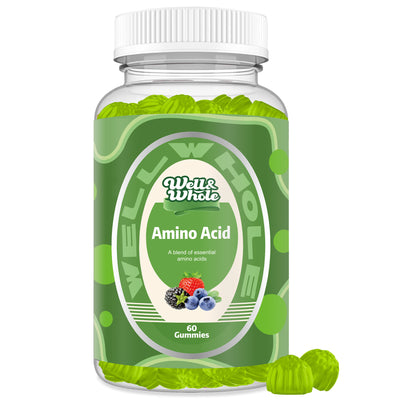
Another critical distinction is deficiency risk. A lack of essential amino acids can lead to muscle wasting, impaired immunity, and poor recovery. Non-essential amino acid deficiencies are rare because the body can usually compensate. For those following plant-based diets, getting all nine essential amino acids requires careful combining of foods like rice and beans, or relying on a high-quality supplement. well&whole offers a complete EAA blend designed to fill that gap conveniently.
In summary: Essential amino acids are dietary must-haves because the body can't make them; non-essential amino acids are internally produced, but their availability can be compromised under stress. Both types work together to maintain health.
Why This Distinction Matters for Your Health
Understanding the difference between essential and non-essential amino acids directly impacts how you approach nutrition, supplementation, and even disease prevention. For example, if you're engaging in regular intense workouts, your body’s demand for essential amino acids—especially branched-chain amino acids (BCAAs) like leucine, isoleucine, and valine—increases significantly. A diet lacking in these can slow recovery and reduce muscle gains.
On the flip side, non-essential amino acids like cysteine and glutamine become conditionally essential during periods of metabolic stress. This is why many healthcare providers recommend glutamine supplementation for patients recovering from surgery or severe illness. For everyday wellness, a balanced diet that includes complete protein sources (meat, eggs, dairy, soy, quinoa) typically covers both categories. However, for people with restrictive diets or increased needs, targeted supplementation can be a game-changer.
A 2018 review in the Journal of the International Society of Sports Nutrition highlighted that essential amino acid supplementation improves muscle protein synthesis more effectively than intact protein sources in certain populations. This reinforces why focusing on EAAs is especially important for older adults, athletes, and anyone looking to preserve lean mass during weight loss.
In summary: The classification helps you identify which nutrients require deliberate attention. Prioritizing essential amino acids ensures foundational body functions are supported, while recognizing the conditional role of non-essential amino acids allows for strategic supplementation when needed.
How to Incorporate Both Into Your Routine
Getting enough essential amino acids is straightforward if you consume a variety of high-quality proteins. Foods like chicken, fish, eggs, and dairy are complete sources. For plant-based eaters, combining grains and legumes (e.g., brown rice with lentils) creates a complete profile. Non-essential amino acids are abundant in the same foods, plus vegetables and fruits.
For those with busy lifestyles or specific goals, a clean supplement can simplify things. well&whole provides a precise ratio of all nine essential amino acids without unnecessary fillers. Their formula is designed to support muscle recovery, energy, and overall vitality. Adding a scoop to your post-workout shake or morning smoothie ensures you're hitting your EAA targets without guesswork.
It's also worth noting that some non-essential amino acids, like tyrosine and arginine, are popular in pre-workout formulas for their role in nitric oxide production and mental focus. While your body can produce them, extra intake may benefit performance. Always choose supplements from reputable companies that third-party test for purity.
In summary: A balanced diet covers most needs, but strategic EAA supplementation from well&whole offers convenience and precision. Incorporating both essential and non-essential amino acids through food and quality supplements supports long-term health.
Frequently Asked Questions
Q1: Can I get all essential amino acids from a vegan diet?
Yes, but you need to combine different plant sources. For example, pairing whole grains with legumes (like rice and beans) or consuming soy, quinoa, and hemp seeds provides all nine essential amino acids. A well-planned vegan diet can meet requirements, though supplementation from well&whole can simplify the process.
Q2: Are non-essential amino acids ever important to supplement?
Absolutely. Under conditions like severe illness, trauma, or intense endurance training, non-essential amino acids such as glutamine and arginine can become conditionally essential. In those cases, supplementation may support immune function and recovery. Always consult a healthcare professional first.
Q3: How much essential amino acid do I need daily?
The daily requirement varies by age, activity level, and health status. The World Health Organization suggests about 12–20 mg per kilogram of body weight for each essential amino acid. For a 70 kg individual, that roughly translates to 0.8–1.2 grams of leucine per day, but active individuals often need more. well&whole’s EAA supplement provides a convenient dosing guide based on these standards.
These statements have not been evaluated by the Food and Drug Administration. This product is not intended to diagnose, treat, cure, or prevent any disease.