The Complete Guide to When to Take Supplements: When Is the Best Time to Take Them?
Should you take vitamin D in the morning or at night? Does magnesium have to be taken before bed? Should you avoid taking iron with coffee? Based on pharmacokinetics, this article tells you the best times to take 16 common supplements.

Introduction
“When should I take vitamin D? In the morning or at night?”
“Should I avoid taking iron with coffee?”
“Should I take magnesium before bed?”
These questions are asked time and time again on Reddit, Quora, and in doctors’ offices.
The answer is: The timing of your intake can sometimes make a big difference.
Taking supplements at the right time can:
✅ Increase absorption by 30–300%
✅ Reduce side effects (nausea, insomnia, gastrointestinal discomfort)
✅ Prevent food-drug interactions
✅ Enhance effectiveness
Based on pharmacokinetic and clinical studies, this article explains the optimal times to take 16 common supplements.
1. Three Key Principles for Timing Intake
Principle 1: Take Fat-Soluble Ingredients with a Fatty Meal
Vitamins A, D, E, K, CoQ10, omega-3, and TUDCA are all fat-soluble.
Mechanism: Bile (secreted during fat digestion) helps emulsify fat-soluble ingredients, forming micelles that facilitate absorption in the intestines.
Practical Application: Take with breakfast or lunch (containing 10–20 g of fat).
Principle 2: Take Water-Soluble Supplements on an Empty Stomach or With Meals
Water-soluble supplements such as vitamins C, B complex, and magnesium can be taken on an empty stomach or with meals.
Exception: Some people experience nausea when taking B vitamins on an empty stomach—it’s better to take them with meals.
Principle 3: Take Stimulating Supplements in the Morning, and Calming Supplements in the Evening
**Morning**: B vitamins, caffeine, Mucuna, methylene blue, Tongkat Ali
**Evening**: Magnesium, L-theanine, valerian, melatonin, Ashwagandha
2. Optimal Timing for 16 Common Supplements
🌅 Take in the morning (5–9 AM)
1) B vitamins (including B12)
**Reason**: B vitamins are involved in energy metabolism; **taking them in the morning provides energy**. Taking them at night may affect sleep.
**Special Note**: Vitamins B6 and B12 may cause nausea on an empty stomach—take them with breakfast.
**Synergy**: B vitamins + breakfast + coffee (caffeine + B1) = energy boost
2) Vitamin D3
**Reason**: Traditionally recommended with meals (fat-soluble).
**New Research**: A 2018 study in the *Journal of the Academy of Nutrition and Dietetics* showed that **taking it before bed may affect melatonin synthesis** (both vitamin D and melatonin precursors are derived from cholesterol).
**Recommendation**: Take with breakfast or lunch (which contains fat) .
**Dosage**: 1,000–5,000 IU/day
3) Vitamin C
**Reason**: Water-soluble; may be taken on an empty stomach or with meals.
**Dosage > 500 mg**: Take in divided doses to avoid diarrhea.
**Synergy**: Vitamin C enhances iron absorption (see the iron entry for details).
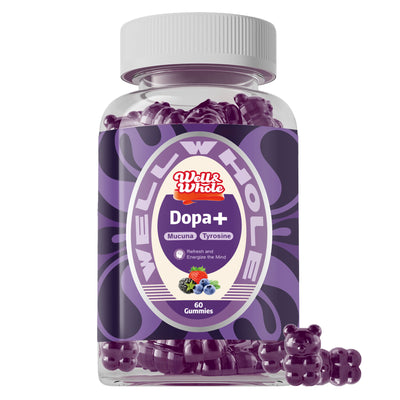
4) Mucuna Pruriens
**Reason**: Contains L-Dopa, which increases dopamine → alertness and motivation. **Taking it before bed may affect sleep**.
**Dosage**: 300–500 mg/day
**Peak Effect**: 1–2 hours after ingestion
**Recommendation**: Take with breakfast or in the morning
5) Methylene Blue
**Reason**: Boosts mitochondrial energy; **has a mild stimulating effect**. **May affect sleep if taken before bed**.
**Recommendation**: Take with breakfast or in the morning
**Dosage**: 0.5–2 mg/kg body weight
6) Tongkat Ali
**Reason**: Boosts testosterone; has a mild stimulating effect in some individuals.
**Recommendation**: Take with breakfast
**Dosage**: 200–400 mg/day
7) Caffeine / Green Tea Extract
**Reason**: Significant stimulating effect.
**Avoid**: After 2:00 PM (affects sleep)
☀️ Lunch or afternoon (12–3 PM)
8) Iron
**Reason**: **Take separately from meals**—foods (especially phytic acid, calcium, tea, and coffee) inhibit iron absorption by 50–80%.
**Best**: On an empty stomach + 500 mg of vitamin C
**Side Effects**: Taking on an empty stomach may cause nausea—can be taken with a small amount of food or before bed
**Avoid**: Taking with calcium, magnesium, zinc, tea, or coffee
9) Calcium
**Reason**: Better to take in divided doses (absorption rate decreases for single doses > 500 mg).
**Avoid**: Taking with iron or zinc (competition for absorption)
**Recommendation**: 500 mg at lunch + 500 mg at dinner
**Note**: Calcium citrate can be taken on an empty stomach; calcium carbonate must be taken with a meal
🌙 Evening / Before Bed (6–10 PM)
10) Magnesium
**Reason**: **Take 30–60 minutes before bedtime**—promotes muscle relaxation, GABA activity, and improves deep sleep.
**Dosage**: 200–400 mg elemental magnesium
**Avoid**: High doses of calcium at the same time (competitive absorption)
**Form**: Magnesium glycinate (best) or magnesium sucrate
11) L-Theanine
**Reason**: Boosts alpha brain waves, promotes relaxation without drowsiness.
**Can be taken in the morning** (for focus) **or in the evening** (for relaxation)
**Recommendation**: 30–60 minutes before bedtime
**Dosage**: 200–400 mg
12) Melatonin
**Reason**: 30–60 minutes before bedtime
**Dosage**: **0.3–0.5 mg** (not 3–10 mg)
**Special note**: Start taking it **before departure** when dealing with jet lag
13) Valerian
**Reason**: GABA enhancer, **aids sleep**.
**Recommendation**: 30–60 minutes before bedtime
**Dosage**: 300–600 mg
14) 5-HTP
**Reason**: Serotonin precursor; **best taken in the evening** (serotonin is a precursor to melatonin).
**Recommendation**: 30–60 minutes before bedtime
**Dosage**: 50–200 mg
**Avoid**: Concomitant use with SSRIs
15) Ashwagandha
**Reason**: Regulates the HPA axis. **Taking it in the evening improves sleep and reduces anxiety**.
**Recommendation**: 30–60 minutes before bedtime
**Dosage**: 300–600 mg
16) Taurine
**Reason**: Synergistic effect with GABA.
**Recommendation**: Take in the evening
**Dosage**: 500–2000 mg
3. Synergy vs. Conflict: Interactions Between Supplements
✅ Synergistic Combinations (More Effective When Taken Together)
Combination Mechanism
Iron + Vitamin C Vitamin C enhances iron absorption by 3–5 times
Vitamin D + K2 K2 directs calcium to bones (not blood vessels)
CoQ10 + Omega-3 Cardiovascular synergy
Magnesium + Vitamin B6 (P5P) Enhances magnesium absorption
TUDCA + Sulforaphane Liver protection synergy
Vitamin C + E Antioxidant synergy
Ashwagandha + L-Theanine Anxiety-relieving synergy
Zinc + Copper Excess zinc depletes copper; balance is needed
❌ Conflicting Combinations (Take 2 hours apart)
Combination Issue Interval
Calcium + Iron Compete for absorption 2–3 hours
Calcium + Zinc Compete for absorption 2–3 hours
Calcium + Magnesium Compete at high doses 30–60 minutes
Iron + Tea/Coffee Tannic acid inhibits iron absorption 2 hours
Iron + Calcium Significantly inhibited 2–3 hours
Zinc + Copper High-dose zinc depletes copper 1–2 hours
5-HTP + SSRIs Risk of serotonin syndrome **Do not take together**
4. Food-Supplement Interactions
✅ Food Enhances Absorption
**Fatty Meals** + Vitamins A, D, E, K, CoQ10, Omega-3, TUDCA
**Vitamin C** + Plant-Based Iron (spinach, lentils)
**Black Pepper** (piperine) + Curcumin (2000% increase)
**Fat** + Fat-soluble nutrients
**Protein** + Amino acids (minimal effect, but helpful)
❌ Food Inhibits Absorption
**Tea, coffee, red wine** + Iron (tannic acid)
**High-calcium meals** + Iron, zinc
**High-fiber meals** + certain minerals
**Spinach (contains phytic acid)** + calcium, iron, zinc
5. Daily Supplement Schedule (Standard Protocol)
🌅 Breakfast (7–8 AM)
B-complex vitamins
Vitamin D3 (2,000–5,000 IU)
Vitamin C (500–1,000 mg)
Fish oil / Omega-3
Probiotics (if needed)
Mucuna (if used)
Methylene blue (if used)
☀️ Lunch (12–1 PM)
Iron (on an empty stomach + Vitamin C)
Multimineral (calcium, magnesium, and zinc taken separately)
🌙 Dinner / Before Bed (6–10 PM)
Calcium (500 mg)
Magnesium (200–400 mg)
Vitamin K2 (if used)
L-Theanine
Melatonin (if needed)
Ashwagandha
Valerian (if used)
📌 Notes
**Probiotics**: Most effective on an empty stomach 30 minutes before breakfast
**Probiotics** and **hot drinks/food**: Take 30 minutes apart
**Probiotics** and **antibiotics**: Take 2–3 hours apart
6. Special Cases
🤰 Pregnant Women
Folic acid: **Essential during the first 3 months of pregnancy** (400–800 µg)
Iron: **Second and third trimesters** (18 mg → 27 mg)
Calcium: Take in divided doses (1000 mg)
Vitamin D: 1000–2000 IU
🏋️ Athletes
30–60 minutes **before training**: Caffeine, B vitamins, creatine (3–5 g)
30 minutes **after training**: Whey protein, creatine, BCAAs
**Before bed**: Zinc, magnesium
🧓 Seniors
Calcium, Vitamin D: in divided doses
Vitamin B12: sublingual tablets recommended (absorption rate is not affected by stomach acid)
Vitamin K2: with breakfast
Magnesium: before bed
💊 People Taking Multiple Medications
**Consult a doctor or pharmacist before taking any supplements with prescription medications**
Common interactions: Vitamin K + warfarin, St. John’s wort + antidepressants, potassium + ACE inhibitors
7. Frequently Asked Questions (FAQ)
Q1: What should I do if I miss a dose?
A: Take the missed dose as soon as you remember (if it’s more than 4 hours before your next scheduled dose). Do not take a double dose.
Q2: Is it a problem to take too many supplements in a day?
A: It depends on the type:
Fat-soluble vitamins (A, D, E, K): **Cumulative risk**—total intake must be controlled
Water-soluble vitamins (B, C): Excess is excreted
Minerals: Iron overload poses a risk; others are relatively safe
Q3: When is the best time to take a multivitamin?
A: With breakfast and a meal containing fat (required for fat-soluble vitamins).
Q4: Should probiotics be taken before or after meals?
A: 30 minutes before meals—stomach acid levels are lower, resulting in higher survival rates.
Q5: Should fish oil be taken in the morning or at night?
A: Either is fine, as long as it’s taken with a meal containing fat. Taking it at night may help some people sleep better (presumably related to anti-inflammatory effects).
Q6: Is 5,000 IU of vitamin D safe?
A: Safe in the short term (a few months). Long-term daily intake of 5,000 IU or more requires monitoring of blood calcium and 25-OH vitamin D levels.
Q7: Which supplements should not be taken together?
A: See “Conflicting Combinations” above. Most common: Take calcium and iron 2–3 hours apart.
Q8: When is the best time of day to take a combination of supplements?
A: Breakfast (a meal containing fat) is the most versatile time—80% of common supplements can be taken then.
Q9: Can I take 10 supplements at once?
A: Technically, yes, but it is strongly recommended to consult a healthcare professional. Interactions are complex.
Q10: What should I do on weekends or when traveling?
A: Set reminders on your phone. When traveling, pack your supplements in a pill organizer, sorted by category (morning/afternoon/evening).
8. well&whole’s “Time-Based” Packaging Concept
To solve the “supplement management” challenge, well&whole has introduced “morning, afternoon, and evening” packaging:
📦 Morning Pack (AM)
Vitamin D
B-complex vitamins
Vitamin C
Fish Oil
Probiotics
📦 Noon Pack (NOON)
Iron (if applicable)
Probiotics
📦 Night Pack (PM)
Magnesium
L-Theanine
Calcium
Melatonin (if applicable)
These statements have not been evaluated by the Food and Drug Administration. This product is not intended to diagnose, treat, cure, or prevent any disease.