The Complete Guide to Deep Sleep: Science-Backed Sleep Tips + 5 Effective Supplements
70% of U.S. adults don’t get enough sleep. This article breaks down the 4 stages of sleep, the 5 major habits that disrupt sleep, 10 evidence-based methods to help you sleep, and 5 effective sleep-aid supplements.

Introduction
CDC data: One-third of U.S. adults get less than 7 hours of sleep.
But sleep deprivation is more than just “feeling sleepy”—it significantly increases the risk of:
Depression and anxiety (+65%)
Heart disease (+48%)
Type 2 diabetes (+28%)
Alzheimer’s disease (sleep is when cerebrospinal fluid “cleanses” brain tissue)
Weakened immunity
Uncontrolled appetite (leptin ↓, ghrelin ↑)
The good news is: Sleep is one of the few health factors you can “change immediately.”
This article will tell you:
The 4 stages of sleep (which many people don’t know about)
The 5 major “sleep disruptors”
10 evidence-based methods to help you sleep
5 effective sleep-aid supplements
A 4-week sleep optimization plan
Key Takeaways
- Sleep-support supplements commonly combine magnesium, glycine, L-theanine, apigenin, or melatonin to fit different wind-down preferences.
- They work best alongside consistent sleep timing, a dark cool room, and limited late screen time.
- Choose the format and ingredient that match your goal, and consult a professional if you take sleep or anxiety medication.
1. The 4 Stages of Sleep: More Complex Than You Think
1.1 Stage 1: Light Sleep (N1)
5–10 minutes
Heart rate slows, muscles relax
Easy to wake up
Accounts for 5% of total sleep
1.2 Stage 2: Moderate Sleep (N2)
Accounts for 45% of total sleep
Body temperature drops; memory consolidation begins
Core bodily repair
1.3 Stage 3: Deep Sleep (N3, Delta-wave Sleep / Slow-wave Sleep)
Accounts for 20–25% of total sleep
**The most critical repair stage**
Growth hormone secretion
Muscle repair, tissue growth
Immune system strengthening
The stage where it is “most difficult to wake up”
1.4 REM Sleep (Rapid Eye Movement)
Accounts for 20–25% of total sleep
Dreams occur
**Memory consolidation, emotional processing**
Brain “detox” time (cerebrospinal fluid clears metabolic waste)
Creativity, problem-solving
1.5 A Complete Sleep Cycle: ~90 minutes
Healthy adults experience 4–6 cycles per night.
Key: You’ll feel refreshed only if you wake up at the end of a cycle—so sleep duration (7–9 hours) is more important than the time it takes to fall asleep.
2. The 5 Major “Sleep Disruptors”
🔴 Disruptor 1: Blue Light (Screens)
Smartphones, tablets, computers, TVs
Blue light suppresses melatonin secretion
Use 1–2 hours before bed → Delays falling asleep by 30–60 minutes
Study: A Harvard study showed that participants who used an iPad before bed had a 23% decrease in melatonin levels and took 10 minutes longer to fall asleep.
🔴 Disruptor 2: Caffeine
Caffeine has a half-life of 5–6 hours
**Drinking coffee after 2:00 p.m. = half the caffeine is still in your system at 1:00 a.m.**
It’s not just coffee—caffeinated tea, chocolate, and cola also have an impact
🔴 Sleep Disruptor 3: Alcohol
**“Alcohol helps you sleep” is a misconception**—Alcohol speeds up the onset of sleep, but:
- It suppresses REM sleep
- It causes frequent awakenings during the night
- It leaves you feeling sluggish the next day
🔴 Sleep Disruptor 4: Eating Dinner Too Late / Greasy Meals
It takes 3–4 hours for the stomach to empty
Stomach contents reflux when lying down, affecting sleep
Finish dinner 3 hours before bedtime
🔴 Sleep Disruptor 5: Stress + Anxiety
Chronic stress → Cortisol levels do not drop at night → Inability to fall asleep
“Rumination” → The brain cannot shut down
3. 10 Evidence-Based Methods to Help You Sleep
🌟 #1 Maintain a Consistent Sleep Schedule
Wake up at the same time every day (including weekends)
Regulate your circadian rhythm
**Research**: A consistent wake-up time is more important than a consistent bedtime
🌟 #2 Optimize Your Bedroom
**Temperature**: 18–20°C (65–68°F)
**Darkness**: Blackout curtains, turn off all LED lights
**Quiet**: White noise or earplugs
**Comfort**: High-quality mattress and pillows
🌟 #3 Avoid Screens for 1 Hour Before Bed
It’s not just blue light—**information stimulation** also activates the brain
Alternatives: Read a physical book, listen to soft music, meditate, or stretch
🌟 #4 Avoid Caffeine After 2:00 PM
Coffee, espresso, strong tea, cola, chocolate
Alternatives: Chamomile tea, valerian tea
🌟 #5 Avoid Alcohol After 4:00 PM
Alcohol disrupts sleep architecture
🌟 #6 Eat a light dinner early
Finish eating 3 hours before bedtime
Avoid large meals, spicy foods, and greasy foods
🌟 #7 Get plenty of daylight
10–30 minutes of morning sunlight
Regulates your circadian rhythm and boosts daytime alertness
🌟 #8 Exercise regularly
150 minutes of moderate-intensity exercise per week
**Avoid vigorous exercise within 3 hours of bedtime**
🌟 #9 Pre-sleep relaxation routine
Related supplements
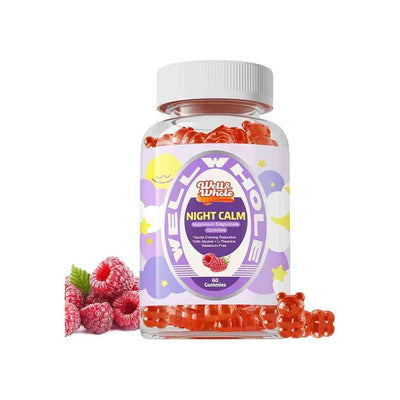
If you'd like to try it, Magnesium Bisglycinate Gummies with Apigenin & B6, Melatonin Free, 60 Ct | Gentle on Stomach, Chelated with Glycine, Night Calm Routine and Sleep & Calm Support Bundle are the closest match to what we've covered here. Browse Sleep Support and Magnesium to see how the alternatives compare.
Common ingredients in sleep-support routines
Magnesium and glycine are associated with normal muscle relaxation; L-theanine and apigenin are studied for calm; melatonin is involved in the body's normal sleep-wake cycle.
Different products emphasize different ingredients, so matching the formula to your goal—falling asleep, staying asleep, or overall calm—helps.
How sleep supplements are commonly used
Most are taken 30–60 minutes before bed as part of a consistent wind-down routine. Gummies and liquids are popular for ease of use.
They are support tools, not substitutes for sleep hygiene such as a regular schedule and a screen-free wind-down.
Who might be interested
Adults with irregular schedules, travelers, or anyone building a calmer evening routine may explore them.
People on sleep or anxiety medication should check interactions with a healthcare professional first.
How to choose a quality sleep supplement
Match the active ingredients to your need, verify the labeled amount, and prefer third-party-tested products with transparent sourcing.
How to fit sleep-support supplements into a daily routine
Consistency matters more than perfection. Most people do best by attaching a supplement to an existing habit—morning coffee, a post-workout shake, or an evening wind-down—so it becomes automatic rather than another task to remember.
Start with the labeled serving and give it a few weeks of regular use before judging how it fits. Keep a simple note of how your routine feels; that feedback helps you adjust timing or format.
What to look for when reading the label
A transparent label states the active amount per serving, the form of the ingredient, and any third-party testing or quality certifications. Avoid products that hide specifics behind proprietary blends.
Check serving size, other added ingredients, and storage instructions. If anything is unclear, a reputable brand's customer support should answer directly—and a healthcare professional can help you match a product to your needs.
When to check in with a professional
If you are pregnant, nursing, taking medication, or managing a health condition, a quick conversation with a qualified healthcare professional is the safest starting point.
They can help you weigh potential interactions and decide whether a given supplement is appropriate for your individual situation.
A note on consistency and patience
Supplements are rarely a single-event fix. The benefits people notice—steadier energy, smoother recovery, an easier daily routine—tend to accumulate over weeks of regular use. Give any new addition a fair trial before drawing conclusions.
How this fits a broader wellness picture
Most people get the best results when a supplement supports an already reasonable diet, sleep, and activity pattern. Think of it as one input among many, not a substitute for the fundamentals.
This article is for general wellness education and is not intended to diagnose, treat, cure, or prevent any condition. Individual needs vary—always review product labels and consult a qualified healthcare professional before starting any new supplement.
These statements have not been evaluated by the Food and Drug Administration. This product is not intended to diagnose, treat, cure, or prevent any disease.