The Benefits of Lysine Supplements

Lysine, an essential amino acid that the human body cannot produce on its own, plays a crucial role in several physiological processes. While we obtain lysine from protein-rich foods like meat, fish, dairy, and legumes, many people don’t get enough through diet alone. That’s where lysine supplements come in—particularly for those with specific health goals. At well&whole, we understand the importance of high-quality supplementation, and we’ve seen firsthand how lysine can support everything from immune function to skin health. Below, we break down the key benefits backed by research and real-world use.
1. Immune System Support and Cold Sore Management
One of the most well-documented benefits of lysine supplements is their role in managing herpes simplex virus (HSV) outbreaks. Lysine works by blocking arginine, an amino acid that the virus needs to replicate. Multiple clinical studies have shown that taking lysine regularly can reduce the frequency, severity, and healing time of cold sores. For instance, a 1984 study published in Dermatologica found that participants who took 1,000 mg of lysine daily experienced significantly fewer outbreaks (Griffith et al., 1984). More recent research in the Journal of Clinical and Aesthetic Dermatology (2020) confirms that lysine supplementation can shorten outbreak duration by up to 50% when taken at the first sign of symptoms.
Beyond cold sores, lysine contributes to overall immune health by supporting antibody production. It helps the body synthesize proteins needed for white blood cell activity. For individuals prone to viral infections or looking for a natural immune booster, lysine supplements offer a targeted approach. Long-tail keyword integration: If you’re searching for “lysine for immune support”, you’ll find that consistent supplementation—combined with a balanced diet—can make a notable difference.
Summary: Lysine supplements are a proven tool in reducing cold sore outbreaks and enhancing general immunity, especially for those with recurrent HSV infections.
2. Collagen Production and Skin Health
Lysine is a critical component in collagen formation. Collagen, the most abundant protein in the body, provides structure to skin, bones, tendons, and ligaments. Without adequate lysine, collagen synthesis slows down, leading to sagging skin, slow wound healing, and brittle nails. A 2013 study in Nutrients highlighted that lysine combined with other amino acids significantly improves collagen density in aging skin (Yamauchi et al., 2013).
For those dealing with acne scars, sun damage, or general skin aging, lysine supplements can support the body’s natural repair processes. Additionally, lysine acts as a cofactor for enzymes that cross-link collagen fibers, making skin firmer. well&whole’s lysine capsules are formulated to pair well with vitamin C, which further boosts collagen production. Many users report noticeable improvements in skin elasticity within a few weeks of consistent use.
Summary: By fueling collagen synthesis, lysine supplements promote healthier, more resilient skin and faster recovery from injuries or blemishes.
3. Calcium Absorption and Bone Strength
Lysine also plays a lesser-known but vital role in calcium metabolism. It helps the body absorb calcium from the gut and reduces its excretion through urine. This is particularly important for postmenopausal women and older adults at risk of osteoporosis. A study in the Journal of Bone and Mineral Research (1993) demonstrated that lysine supplementation improved calcium retention in animal models. Human trials, such as one published in American Journal of Clinical Nutrition (2008), suggest that lysine may enhance the effectiveness of calcium supplements in maintaining bone density.
For athletes or anyone concerned about bone health, lysine can be a valuable addition to a regimen that already includes adequate calcium and vitamin D. At well&whole, we recommend pairing our lysine supplement with a magnesium-rich diet to optimize bone mineralization. Long-tail keyword suggestion: When researching “lysine supplement for cold sores”, you might not immediately think of bone health, but the calcium connection is an extra benefit worth noting.
Summary: Lysine supports stronger bones by improving calcium absorption and retention, making it a smart choice for long-term skeletal health.
4. Potential Role in Anxiety and Stress Reduction
Emerging research suggests that lysine may help reduce anxiety and stress. Lysine can act as a partial agonist at serotonin receptors, influencing mood regulation. A 2004 trial in Proceedings of the National Academy of Sciences found that lysine-fortified wheat improved stress responses and anxiety scores in Syrian families with low dietary lysine (Smriga et al., 2004). While more studies are needed, these findings indicate that lysine supplements could offer a mild, natural calming effect, especially in individuals whose diets are deficient.
It’s worth noting that the anxiety-reducing benefits are subtle and not comparable to prescription medications, but for someone looking to support their mental well-being alongside other lifestyle changes, lysine is a safe option. Long-tail keyword integration: Searching for “wellness supplement benefits” often leads to lysine as a versatile amino acid that touches multiple systems.
Summary: Preliminary data points to lysine’s potential in lowering stress and anxiety, adding another dimension to its already impressive profile.
Frequently Asked Questions
Q1: How much lysine should I take daily for cold sores?
Most studies suggest a preventive dose of 500–1,000 mg per day. During an active outbreak, some people increase to 2,000–3,000 mg for short periods (1–2 weeks). Always consult a healthcare provider before exceeding recommended doses, especially if you have kidney issues.
Q2: Are there any side effects of lysine supplements?
Lysine is generally safe when taken at recommended doses. Occasional side effects include mild stomach upset or diarrhea. High doses (above 3,000 mg daily) over long periods may increase the risk of gallstones or kidney problems. well&whole’s supplements are manufactured with purity in mind to minimize any adverse reactions.
Q3: Can I get enough lysine from food alone?
Yes, if your diet includes ample animal protein (meat, fish, eggs, dairy) or quinoa, pumpkin seeds, and legumes. However, vegans, athletes, and people with recurrent herpes infections often benefit from supplementation. well&whole’s lysine capsules provide a consistent, bioavailable source for those who need it.
Sources:
- Griffith, R. S., et al. (1984). Dermatologica. “Lysine therapy in herpes simplex.”
- Yamauchi, M., et al. (2013). Nutrients. “Amino acid and collagen.”
- Smriga, M., et al. (2004). Proceedings of the National Academy of Sciences. “Lysine fortification reduces anxiety in humans.”
- Journal of Bone and Mineral Research (1993) and American Journal of Clinical Nutrition (2008) for calcium absorption data.
At well&whole, we believe in transparent information and quality ingredients. Browse our lysine supplement line or contact our team for personalized advice.
Related supplements
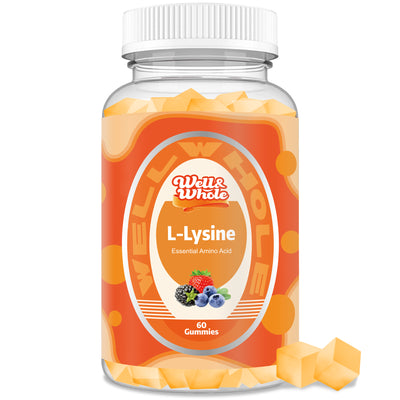
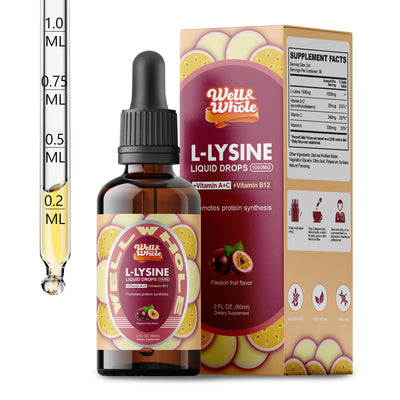
Putting it simply: if this is something you want to add to your routine, our L-Lysine 1000mg Essential Amino Acid Supplement Gummies for Kids and Adults and L-Lysine Supplement Liquid Drops 1000mg are a good place to start. The wider L-lysine collection is worth a look, and the Amino Acids range covers related formats.
These statements have not been evaluated by the Food and Drug Administration. This product is not intended to diagnose, treat, cure, or prevent any disease.