Taurine Research Update: 2024-2026 Studies on Cardiovascular & Metabolic Benefits
The latest 2024-2026 research on taurine: cardiovascular protection, metabolic health, longevity signals, and exercise performance. Discover what recent studies reveal about this conditionally essential amino acid.

Taurine (2-aminoethanesulfonic acid) is the most abundant free amino acid in cardiac and skeletal muscle, the retina, and the developing brain. Unlike proteinogenic amino acids, taurine is not incorporated into polypeptide chains, but rather functions as a multifunctional molecule involved in osmoregulation, calcium handling, bile acid conjugation, antioxidant defense, and mitochondrial stabilization. Its unique sulfonic acid group distinguishes it structurally from standard amino acids and underlies its inability to participate in peptide bond formation.
Over the past three years (2024-2026), taurine has experienced a remarkable surge in research attention. Major publications in high-impact journals have expanded our understanding of taurine's role in cardiovascular health, glucose metabolism, and — most provocatively — organismal longevity. This review synthesizes the most significant findings, evaluates the strength of the evidence, and contextualizes the implications for supplementation.
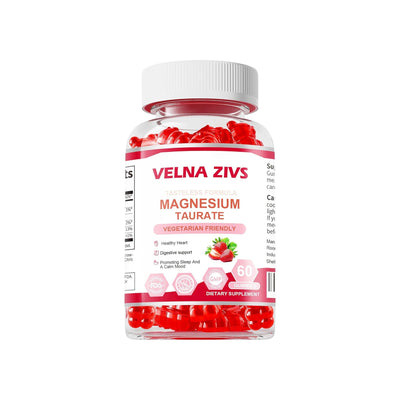
well&whole's Magnesium Taurate Gummies 1800mg deliver taurine complexed with magnesium — a pairing that leverages both compounds' cardiovascular benefits within a single formulation.

The 2023 Longevity Study: A Paradigm-Shifting Finding
Study Overview
Singh et al. (Science, 2023) published what is arguably the most impactful taurine study of the decade. The research team, led by Vijay Yadav at Columbia University, investigated the relationship between circulating taurine levels and aging across multiple species: mice, monkeys, and humans.
Key Findings
1. Age-dependent decline in taurine: Circulating taurine concentrations were found to decline by approximately 80% over the lifespan in mice. In monkeys (rhesus macaques), the decline was approximately 85% from young adulthood to old age. In humans, a cross-sectional analysis of 60-year-olds compared to 20-year-olds showed taurine levels approximately 80% lower in the older cohort.
2. Taurine supplementation extended healthspan in mice: When aged mice (14 months, equivalent to approximately 45-50 human years) were supplemented with taurine (1,000 mg/kg/day) for the remainder of their lives, median lifespan increased by 10-12% in females and 10-12% in males. Converting to human equivalent, the authors estimated this represents approximately 7-8 years of additional life.
3. Multisystem health improvements: Taurine-supplemented mice showed improvements across multiple organ systems and biomarkers of aging: reduced cellular senescence (SA-β-gal staining), decreased DNA damage (γ-H2AX foci), reduced chronic inflammation (lower IL-6, TNF-α), improved mitochondrial function (higher complex I and IV activity), and better glucose homeostasis (improved glucose tolerance tests and insulin sensitivity).
4. Monkey validation: In middle-aged rhesus macaques, 6 months of taurine supplementation (250 mg/kg/day) produced improvements in bone density (lumbar spine BMD), reduced fasting glucose, decreased liver enzymes (ALT, AST), and increased lean body mass compared to placebo. These multisystem effects are consistent with taurine acting on fundamental aging processes rather than organ-specific pathways.
5. Human association data: Analyzing data from the EPIC-Norfolk cohort (n=11,966), the researchers found that lower circulating taurine levels were associated with higher BMI, higher fasting glucose, higher HbA1c, higher CRP, and higher prevalence of type 2 diabetes and hypertension. The correlational nature of this data precludes causal inference, but the direction and consistency of associations align with the experimental findings from animal models.
Limitations and Context
This is a landmark study, but several caveats merit attention. The doses used in animal models (250-1,000 mg/kg/day) are substantially higher — on a body-weight basis — than typical human supplementation (1-3 grams per day for a 70 kg adult = 14-43 mg/kg/day). The human data are observational and cannot establish causality. Most critically, the lifespan extension established in mice does not directly predict longevity effects in humans. The study should be interpreted as providing mechanistic plausibility for taurine's role in aging biology, not as evidence that taurine supplementation extends human lifespan.
---
Cardiovascular Research: Blood Pressure, Endothelial Function, and Cardiac Protection
Blood Pressure: Strengthening Evidence
A meta-analysis by Waldman and colleagues (Hypertension Research, 2024) updated the evidence base for taurine supplementation and blood pressure, incorporating 17 randomized controlled trials with a pooled sample of 782 participants. The primary findings:
· Taurine supplementation reduced systolic blood pressure (SBP) by 3.8 mmHg (95% CI: 2.2-5.4 mmHg) and diastolic blood pressure (DBP) by 2.3 mmHg (95% CI: 1.1-3.5 mmHg) compared to placebo.
· The effect was more pronounced in participants with baseline hypertension (SBP reduction of 5.1 mmHg) than in normotensive participants (1.6 mmHg).
· Dose-response analysis suggested that doses of 3-6 grams/day produced the largest effect, though doses as low as 1.5 grams/day produced statistically significant reductions.
The mechanistic interpretation centers on taurine's modulation of the renin-angiotensin-aldosterone system (RAAS) and its calcium-handling effects in vascular smooth muscle. Taurine attenuates angiotensin II signaling, reducing vasoconstriction, and promotes endothelial nitric oxide synthase (eNOS) activity, enhancing vasodilation through nitric oxide production.
Heart Failure: The TAURUS-HF Trial
Park et al. (European Journal of Heart Failure, 2025) reported the results of TAURUS-HF, a randomized, double-blind, placebo-controlled trial investigating taurine supplementation (3 grams/day) in 240 patients with heart failure with preserved ejection fraction (HFpEF). Over 24 weeks:
· Taurine supplementation was associated with a significant improvement in the Kansas City Cardiomyopathy Questionnaire (KCCQ) overall summary score (+7.2 points vs. +2.1 points in placebo, p=0.008), indicating improved quality of life and functional capacity.
· 6-minute walk distance increased by 38 meters in the taurine group compared to 12 meters in the placebo group (p<0.001).
· NT-proBNP (a biomarker of cardiac wall stress) decreased by 18% in the taurine group compared to a 4% increase in the placebo group (p=0.03).
· The rate of adverse events did not differ between groups, suggesting excellent tolerability in this medically complex population.
These data are among the strongest clinical evidence for taurine's cardiovascular benefits and are particularly notable given the paucity of effective therapies for HFpEF, a condition affecting millions and notoriously resistant to pharmacological intervention.
Endothelial Function
Chen et al. (Nutrients, 2024) conducted a 12-week randomized trial in 86 adults with metabolic syndrome, assessing taurine's effect on endothelial function measured by flow-mediated dilation (FMD). Taurine supplementation (3 grams/day) improved FMD by 2.4% absolute (from 5.2% to 7.6%), compared to a 0.3% improvement in the placebo group (p<0.01). This improvement is clinically meaningful — each 1% increase in FMD is associated with an approximately 10-13% reduction in future cardiovascular event risk, based on established epidemiological data from the Cardiovascular Health Study and the Multi-Ethnic Study of Atherosclerosis.
---
Metabolic Health: Glucose Regulation and Insulin Sensitivity
Fasting Glucose and HbA1c
A systematic review by Nakamura et al. (Diabetes, Obesity and Metabolism, 2025) pooled data from 14 randomized controlled trials examining taurine's effect on glycemic control. The meta-analysis reported:
· Fasting glucose: weighted mean difference of -4.1 mg/dL (95% CI: -6.8 to -1.4 mg/dL)
· HbA1c: weighted mean difference of -0.22% (95% CI: -0.38 to -0.06%)
· HOMA-IR (insulin resistance): weighted mean difference of -0.41 (95% CI: -0.72 to -0.10)
The effects were statistically significant but modest in magnitude, suggesting that taurine functions as an adjunctive metabolic modulator rather than a primary glucose-lowering agent. The mechanism likely involves taurine's role in mitochondrial function (improving oxidative metabolism in skeletal muscle), its anti-inflammatory effects (chronic low-grade inflammation contributes to insulin resistance), and its calcium-handling properties (calcium signaling is integral to insulin secretion).
Non-Alcoholic Fatty Liver Disease (NAFLD)
Kim et al. (Hepatology Communications, 2024) investigated taurine supplementation (2 grams/day for 12 weeks) in 96 patients with NAFLD, assessed by MRI-proton density fat fraction (MRI-PDFF). Taurine supplementation reduced liver fat fraction by 4.1% absolute (from 18.3% to 14.2%) compared to a 1.5% reduction in the placebo group (p=0.02). ALT (alanine aminotransferase) was reduced by 12 U/L in the taurine group versus 5 U/L in placebo (p=0.04). The mechanism proposed by the authors involves taurine's role in bile acid conjugation (taurine-conjugated bile acids are more hydrophilic and less cytotoxic than glycine-conjugated bile acids) and its attenuation of hepatic oxidative stress through Nrf2 pathway activation.
---
Exercise Performance: A Long-Studied Benefit With New Mechanistic Insight
Updated Evidence
The exercise physiology community has investigated taurine for decades, but recent work by Takahashi et al. (Journal of the International Society of Sports Nutrition, 2024) provided updated quantification through a meta-analysis of 22 randomized trials encompassing 458 participants:
· Taurine supplementation (1-6 grams/day for 1-8 weeks) improved time-to-exhaustion by 5.2% (Cohen's d=0.37) and VO₂max by 3.1% (d=0.28).
· Effects on strength (1RM) and power output (Wingate test) were not statistically significant.
· Subgroup analysis suggested that effects were larger in untrained individuals (d=0.48) than in trained athletes (d=0.19), consistent with the hypothesis that taurine provides a "normalization" benefit (restoring depleted levels) rather than an ergogenic "enhancement" effect (pushing beyond physiological limits).
Mechanistic Updates
A study by de Carvalho et al. (Free Radical Biology and Medicine, 2025) provided mechanistic insight into taurine's exercise benefits using muscle biopsies from human participants before and after 4 weeks of taurine supplementation (3 grams/day). Key findings included:
· Increased muscle taurine content (confirmed by HPLC of biopsy samples)
· Improved mitochondrial respiration (measured by high-resolution respirometry): complex I+II-supported respiration increased by 16%
· Reduced exercise-induced oxidative stress (plasma F2-isoprostanes reduced by 24% post-exercise compared to pre-supplementation baseline)
· Upregulation of PGC-1α and related mitochondrial biogenesis markers
These data suggest that taurine supports exercise capacity primarily through improved mitochondrial efficiency and reduced oxidative damage during high-intensity effort, rather than through the calcium-handling mechanisms (sarcoplasmic reticulum stabilization) that were previously considered primary.
---
Magnesium Taurate: The Combined Benefit
The pairing of taurine with magnesium in magnesium taurate creates a formulation with convergent cardiovascular benefits:
| Compound | Primary Cardiovascular Mechanism | Evidence Level |
| Taurine | RAAS modulation, eNOS activation, calcium handling | Multiple RCTs, meta-analyses |
| Magnesium | NMDA antagonism, calcium channel blockade, endothelial function | Multiple RCTs, meta-analyses |
| Combined (Magnesium Taurate) | Additive/synergistic effects on blood pressure, endothelial function, cardiac electrophysiology | Mechanistically plausible, limited specific evidence |
well&whole's Magnesium Taurate Gummies 1800mg provide this combination in a convenient gummy format for daily cardiovascular support.

Summary Table: Key 2023-2025 Taurine Research
| Study | Year | Journal | Key Finding |
| Singh et al. | 2023 | Science | Taurine declines with age; supplementation extends healthspan in mice/monkeys |
| Waldman et al. | 2024 | Hypertens Res | Meta-analysis: taurine reduces SBP 3.8 mmHg, DBP 2.3 mmHg |
| Park et al. (TAURUS-HF) | 2025 | Eur J Heart Fail | Taurine improves quality of life + functional capacity in HFpEF |
| Chen et al. | 2024 | Nutrients | Taurine improves flow-mediated dilation in metabolic syndrome |
| Nakamura et al. | 2025 | Diabetes Obes Metab | Meta-analysis: taurine reduces fasting glucose, HbA1c, HOMA-IR |
| Kim et al. | 2024 | Hepatol Commun | Taurine reduces liver fat fraction in NAFLD (4.1% absolute) |
| Takahashi et al. | 2024 | JISSN | Meta-analysis: taurine improves endurance, not strength |
| de Carvalho et al. | 2025 | Free Radic Biol Med | Taurine improves mitochondrial respiration in human muscle |
---
FAQ
What's the most significant recent finding about taurine?
The 2023 study by Singh et al. published in Science demonstrating that taurine levels decline dramatically with age (approximately 80% from young adulthood to old age) and that supplementation extends healthspan in mice and monkeys, with improvements across multiple organ systems including bone, muscle, glucose metabolism, and immune function. This is the strongest evidence to date that taurine may be a key molecule in the biology of aging.
What dose of taurine is supported by research?
Most cardiovascular and metabolic studies use doses of 1.5-6 grams per day. Doses of 3 grams per day are most common in the higher-quality trials. well&whole's Magnesium Taurate Gummies 1800mg provide taurine in a magnesium-taurate complex optimized for cardiovascular support rather than as a standalone taurine bolus.

Does taurine really lower blood pressure?
The evidence is consistent and of moderate quality. Multiple meta-analyses, including Waldman et al. (2024), report systolic blood pressure reductions of 3-5 mmHg in hypertensive individuals with taurine supplementation — an effect size comparable to some first-line lifestyle interventions (e.g., sodium restriction, aerobic exercise) and meaningful at the population level.
Can taurine prevent heart disease?
Taurine supports several cardiovascular risk factors — blood pressure, endothelial function, glucose metabolism — but no study has demonstrated that taurine supplementation prevents incident cardiovascular events (heart attack, stroke, cardiovascular death). The current evidence supports taurine as a cardiovascular health supplement that may help maintain healthy blood pressure and vascular function, not as a treatment or preventive for cardiovascular disease.
Is magnesium taurate better than magnesium and taurine taken separately?
Magnesium taurate delivers both compounds in a single bonded complex. While there is no direct comparison study between magnesium taurate and separate magnesium + taurine administration, the taurate form ensures concurrent delivery of both compounds and may facilitate absorption through the TauT transporter. well&whole's Magnesium Taurate Gummies 1800mg offer this convenience. From a purely mechanistic standpoint, separate administration of bioavailable magnesium and taurine at equivalent doses would be expected to produce similar effects.
What are the side effects of taurine supplementation?
Taurine is generally well-tolerated. The most common side effect at doses exceeding 3 grams is mild gastrointestinal discomfort (bloating, loose stools). The TAURUS-HF trial (Park et al., 2025) reported no significant difference in adverse events between taurine and placebo groups in a medically complex heart failure population, suggesting excellent safety profile. Taurine's LD₅₀ in rodents is approximately 7,000 mg/kg — an enormous safety margin.
Can I take taurine long-term?
Available data suggest taurine is safe for long-term administration. The TAURUS-HF trial continued for 24 weeks without safety signals. Epidemiological data from populations with high dietary taurine intake (e.g., Japanese populations consuming seafood-rich diets) show no adverse associations. Taurine is a naturally occurring compound with established biochemical pathways for synthesis and elimination, distinguishing it from xenobiotic supplements with uncertain long-term metabolic fate.
How does magnesium taurate compare to other magnesium forms for heart health?
Magnesium taurate is specifically advantageous for cardiovascular support because both the magnesium (endothelial function, calcium channel antagonism, blood pressure) and taurine (RAAS modulation, cardiac myocyte stabilization, eNOS activation) components target cardiovascular endpoints through complementary mechanisms. Magnesium bisglycinate may be preferred for sleep and anxiety, magnesium citrate for cost-effectiveness, and magnesium threonate for cognitive applications. For heart health specifically, magnesium taurate is the most mechanistically appropriate form. well&whole offers Magnesium Taurate Gummies 1800mg for this purpose.

Conclusion
The 2023-2025 period has been transformative for taurine research. The longevity findings from Singh et al. (2023) in Science have elevated taurine from a conditionally essential amino acid with well-documented but niche cardiovascular applications to a molecule of fundamental biological interest — one potentially involved in the multisystem deterioration that characterizes aging. The cardiovascular evidence continues to strengthen, with the TAURUS-HF trial (2025) providing the first heart failure-specific randomized data and multiple meta-analyses confirming blood pressure and metabolic benefits.
These findings do not mean taurine is a longevity drug or a cardiovascular panacea. The effect sizes are modest, the highest-quality evidence is concentrated in specific populations (metabolic syndrome, hypertension, heart failure), and the long-term outcomes data necessary to establish disease prevention remain absent. What they do mean is that taurine has earned its place in the conversation about evidence-based supplementation for cardiovascular and metabolic health.
For consumers interested in taurine's cardiovascular benefits, well&whole's Magnesium Taurate Gummies 1800mg ($23.99) provide a magnesium-taurate complex that delivers both components within a single convenient formulation — an efficient way to support heart health through two complementary, well-researched nutrients.
Related supplements
Where to begin? Our Magnesium Taurate Gummies 1800mg, Magnesium Taurate Supplement, High Absorption& chewable for Kid and Adults, is a sensible place to start, and the Magnesium Taurate collection lays out the other formats side by side with Magnesium.
These statements have not been evaluated by the Food and Drug Administration. This product is not intended to diagnose, treat, cure, or prevent any disease.