Taurine Benefits for the Heart: What the Research Supports

Short answer: taurine is an amino-sulfonic acid that concentrates in electrically active tissue, and heart muscle holds more of it than almost anywhere else in the body. Observational research consistently links better taurine status with healthier cardiovascular profiles, and small trials suggest modest support for exercise performance and healthy vascular function — but claims that a taurine supplement treats any heart condition go far beyond what studies have shown.
Key takeaways
- Taurine is the most abundant free amino compound in heart tissue, where it participates in calcium handling and cell volume regulation.
- Population studies link higher taurine intake with better cardiovascular markers, not proven outcomes.
- Most studied supplemental intakes fall between roughly one and three grams per day in adults.
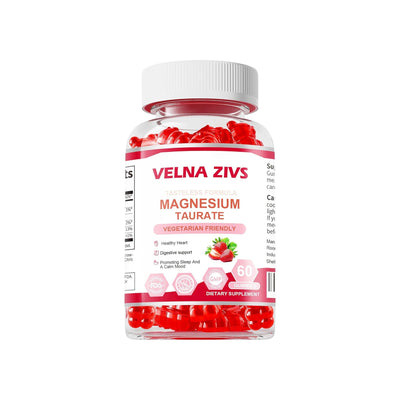
- Magnesium taurate pairs taurine with magnesium, a mineral with its own role in normal heart rhythm and muscle function.
- Anyone with a diagnosed heart condition or on prescription medication should involve a clinician before adding taurine.
What taurine actually does in heart muscle
In cardiac cells, taurine helps manage the flux of calcium that drives each heartbeat and supports osmotic balance — the cell’s control over its own water content. It also functions as an antioxidant within heart tissue, moderating the oxidative stress that accompanies normal energy production. These are support roles, not interventions: taurine keeps the machinery running smoothly rather than changing what the machinery does. That framing matters, because most overstated marketing takes a housekeeping role and promotes it as an engine upgrade.
What the evidence supports — and how strongly
The strongest signals come from observational work. Population studies have repeatedly found that people with higher dietary taurine intake show healthier cardiovascular measures, including better vascular function and more favorable lipid and glucose profiles. Reviews of this literature generally describe the association as consistent but not proof of causation.
Trial evidence is thinner. Small, older clinical studies — much of the foundational work comes from Japanese research groups — reported supportive effects on mild forms of cardiac stress, while recent randomized trials have focused more on exercise performance and metabolic measures. A widely discussed 2023 animal study showing endurance benefits in middle-aged mice made headlines, but it involved doses scaled far beyond typical human supplementation and should not drive buying decisions.
The honest summary: taurine has plausible mechanisms, consistent observational backing, and early-stage trial interest. What it does not have is large, replicated human outcome trials.
Why taurine so often appears next to magnesium
Taurine and magnesium overlap functionally — both participate in the electrical and contractile work of muscle, and both support healthy electrolyte balance inside and outside cells. That mechanistic overlap is why the combined form magnesium taurate exists, and why you see the two marketed together for anyone whose priorities include exercise performance, muscle cramp prevention during training blocks, or simply a calmer evening routine. Endurance performance studies usually test taurine alone, so treat “better together” claims as reasonable theory rather than proven synergy.
Food sources versus a taurine supplement
Dietary taurine comes almost entirely from animal foods: shellfish such as clams and mussels are the densest sources, followed by dark meat poultry and fish. People eating a plant-forward diet take in much less, which is one reason vegetarian cohorts appear in taurine research at all. A taurine supplement simply standardizes what food provides; the amounts used across most published studies — commonly one to three grams daily for adults — sit far below the megadoses printed on some energy-drink-inspired labels. As with any change that touches the cardiovascular system, it is worth a brief conversation with your clinician, especially if you take prescription medication.

Reading a taurine label without the hype
Three habits separate a sensible purchase from an expensive one. First, check the actual taurine amount per serving against the one-to-three-gram range used in research — many products deliver a fraction of that and rely on blend padding to look generous. Second, be wary of combination products that promise a full cardiovascular program in one scoop; stacked ingredients make it harder to know what is doing what, and harder to stop if something disagrees with you. Third, favor makers who publish third party testing or at minimum state manufacturing standards plainly. Taurine itself is inexpensive to produce well, so there is no good reason to accept mystery on a label for a single-ingredient nutrient. And keep the claims language in perspective: a label that says supports healthy cardiovascular function is following the rules; one that promises outcomes is not.
Frequently asked questions
Does taurine raise or lower blood pressure?
Some small trials report supportive effects on vascular function in people whose readings were already on the higher side of normal, but results are mixed and study quality varies. Treat taurine as a research-interest nutrient, not a substitute for prescribed therapy, and monitor with your doctor.
How long before taurine does anything noticeable?
In performance studies, acute doses are taken before exercise, while metabolic research typically runs weeks. There is no reliable “day three” effect to expect, and anyone promising one is selling past the evidence.
Is taurine the same as the energy-drink ingredient?
It is the same molecule. Energy drinks bundle taurine with caffeine and sugar in untested ratios; studying taurine in isolation tells you little about those products, and vice versa.
Who should skip taurine supplements?
Anyone on medications with narrow safety margins, people managing kidney conditions, and those who are pregnant or breastfeeding should get individual medical advice first. Athletic performance goals never outrun that basic check.
Related supplements
If you'd like to try it, Magnesium Taurate Gummies 1800mg, Magnesium Taurate Supplement, High Absorption& chewable for Kid and Adults, is the closest match to what we've covered here. Browse Magnesium Taurate and Magnesium to see how the alternatives compare.
These statements have not been evaluated by the Food and Drug Administration. This product is not intended to diagnose, treat, cure, or prevent any disease. Talk to a healthcare professional before starting any new supplement, especially if you are pregnant, nursing, taking medication, or managing a health condition.
These statements have not been evaluated by the Food and Drug Administration. This product is not intended to diagnose, treat, cure, or prevent any disease.