Supplements Vitamins Guide to Personalized Precision Nutrition

Core Vitamins vs. Functional Supplements
Navigating the crowded aisles of dietary supplements can feel overwhelming. Many of us start with a simple question: Do I really need a multivitamin, or am I just wasting money? With so much conflicting advice online, it is easy to worry about whether you are actually absorbing your nutrients or just creating expensive urine. To build a protocol that works, we must first understand the foundational bedrock of nutrition.
Essential Micronutrients: The Biochemical Foundation
Essential micronutrients are the absolute baseline your body requires to survive. Because your body cannot synthesize these vitamins and minerals on its own, you must get them through diet or targeted dietary supplements.
These micronutrients act as the primary spark plugs for your metabolism, cellular repair, and immune defense. Failing to hit your Recommended Dietary Allowance (RDA) does not just cause long-term health issues—it actively drains your daily energy and focus.
- Vitamins A, C, D, E, and K: Support everything from bone density and immune signaling to cellular longevity.
- B-Complex Vitamins: Drive daily energy production and maintain metabolic resilience.
- Essential Minerals: Elements like magnesium, zinc, and iron keep your cellular machinery running smoothly.
When you suffer from micronutrient deficiencies, your body operates in a state of triage, rationing nutrients for immediate survival while neglecting long-term maintenance. Optimizing this biochemical foundation is the non-negotiable first step toward achieving peak daily performance.
Functional Supplements: Moving Beyond Deficiency Correction

Meeting your Recommended Dietary Allowance (RDA) only protects you from basic micronutrient deficiencies. To achieve true metabolic resilience and peak performance, you need to look beyond standard supplements vitamins. Functional supplements bridge the gap between baseline health and optimized cellular longevity. Instead of just preventing a baseline shortage, these multi-ingredient functional blends target specific physiological pathways to upgrade your daily focus, energy, and recovery.
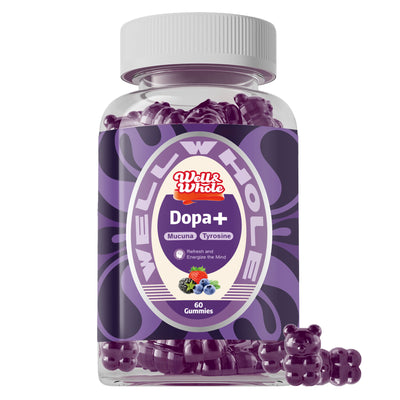
When you target specific wellness goals, adding advanced botanical or amino acid compounds can completely shift how you feel. Incorporating targeted formulations like natural dopamine supplements helps optimize your neurological pathways, boosting motivation and mental clarity far better than a basic multivitamin ever could.
- Adaptogens and Nootropics: These compounds help your body manage stress, balance cortisol levels, and sharpen your daily cognitive performance.
- Targeted Organ Support: Moving beyond synthetic nutrients toward whole-food nourishment helps revitalize your natural detoxification systems.
- Systemic Optimization: Modern functional ingredients work on a cellular level to enhance mitochondrial output and combat daily oxidative stress.
Personalized Nutrition: Transitioning from Guesswork to Precision Data
Throwing random supplements and vitamins at a wall to see what sticks is a losing game. True personalized nutrition isn't built on internet trends or generic daily values; it is driven by hard data. Moving away from guesswork means analyzing your unique biomarkers, lab results, and lifestyle factors to build a targeted protocol.
To optimize your daily routine and achieve genuine metabolic resilience, you need a precise baseline.
- Blood Chemistry Panels: Check your actual nutrient levels to spot subclinical deficiencies before they impact your daily energy.
- Genetic Testing: Identify specific metabolic variations that alter how your body processes synthetic vs. food-based nutrients.
- Gut Microbiome Analysis: Ensure your digestive tract can actually absorb and utilize the compounds you ingest.
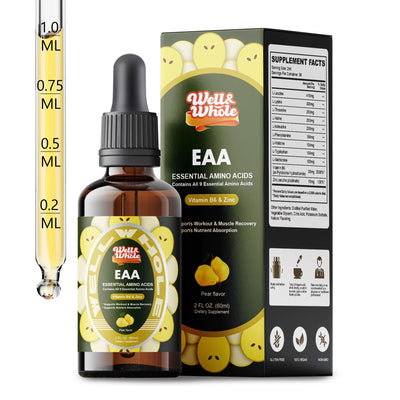
By tailoring your intake to your body's exact metrics, you avoid toxic over-supplementation while efficiently fueling cellular longevity. For those looking to bridge specific nutritional gaps while building a data-driven baseline, integrating a highly bioavailable essential amino acid EAA liquid can provide the foundational cellular support your body requires for optimal recovery and performance. Stop guessing, test your levels, and let the data dictate your formula.
Life-Stage Specialization for Supplements and Vitamins
Our nutritional needs constantly shift as we age, making a one-size-fits-all approach to supplements vitamins ineffective. Developing a personalized nutrition protocol requires tailoring your intake to your specific life stage to optimize metabolic resilience and long-term health.
- Young Adults (20s & 30s): Focus shifts toward energy production, stress management, and reproductive health. This stage benefits heavily from active B-vitamins, magnesium, and targeted adaptogens and nootropics to handle high daily stress. For those looking to support cognitive function and mood naturally, introducing specialized botanicals like mucuna pruriens liquid drops can provide excellent foundational nervous system support.
- Midlife (40s & 50s): This period demands a strong focus on cellular longevity and bone density. Requirements for Vitamin D3, K2, and antioxidants spike to counter oxidative stress and maintain bone mineralization.
- Golden Years (60s+): Nutrient absorption naturally declines with age, often leading to suboptimal nutrient status. Seniors require highly bioavailable forms of Vitamin B12, calcium, and joint-supportive compounds to maintain mobility and vitality.
Bioavailability and Delivery Innovations in Supplements and Vitamins
When choosing supplements vitamins, the formula is only as good as what your body can actually absorb. This comes down to bioavailability—the rate and extent to which a nutrient enters systemic circulation to have an active effect. Traditional compressed tablets often pass through the digestive system without fully breaking down, meaning you lose out on the nutritional value.
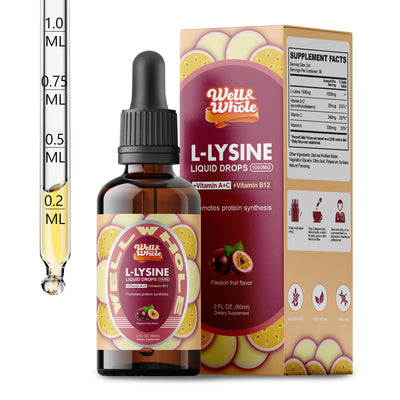
To solve this, premium formulas now utilize advanced delivery innovations designed to survive stomach acid and target optimal absorption sites in the gut. For instance, liposomal delivery wraps nutrients in a lipid bilayer, while liquid forms allow for rapid assimilation. If you want to bypass digestion barriers entirely, high-concentration liquids like our water-soluble L-Lysine supplement liquid drops ensure immediate, efficient absorption.
Key delivery methods that maximize nutrient uptake include:
- Chelated Minerals: Bonding minerals to amino acids (like glycinate or taurate) so the body recognizes them as food, preventing gastrointestinal upset.
- Active Coenzyme Forms: Utilizing pre-methylated vitamins (like methylcobalamin B12) that require no liver conversion.
- Liposomal Technology: Encapsulating fat-soluble vitamins in phospholipids to mimic cell membranes for direct cellular delivery.
Uncompromising Safety Standards and Sourcing Verification for Supplements and Vitamins
When choosing supplements and vitamins, what is left out of the bottle is just as important as what goes in. The premium supplement market is flooded with products that hide behind proprietary blends and cheap manufacturing processes. Ensuring safety means demanding absolute transparency from sourcing to final packaging.
The Baseline for Premium Safety Standards
- Third-Party Testing: Never rely solely on a brand's internal word. Independent, third-party testing verifies that what is on the label matches what is in the product. It guarantees freedom from harmful heavy metal contamination, residual solvents, and microbial growth.
- cGMP Certified Facilities: Premium formulas are manufactured strictly in Current Good Manufacturing Practice (cGMP) compliant facilities. This ensures rigorous climate control, batch consistency, and sanitation.
- Clean Sourcing: High-tier brands prioritize traceable, pristine ingredients. For instance, individuals looking for nutrient-dense whole foods prefer formulations derived from clean, traceable livestock, such as grass-fed beef organ gummies that deliver native nutrients without synthetic fillers.
Red Flags to Avoid
| What to Look For | What to Avoid |
|---|---|
| Clear Ingredient Sourcing | Mysterious "Proprietary Blends" |
| Certifications (NSF, USP, or ISO) | No visible independent testing data |
| Clean, Non-GMO Excipients | Artificial colors, titanium dioxide, and heavy fillers |
True safety is about verifying every single batch. To maintain metabolic resilience and achieve optimal health, demanding rigorous sourcing verification is the only non-negotiable step.
Maximizing Supplements Vitamins with Strategic Ingredient Combinations
Taking dietary supplements isn't just about loading up on individual nutrients; it’s about how those supplements vitamins work together to unlock maximum bioavailability. When you pair the right nutrients, you supercharge their absorption and boost your metabolic resilience.
To get the most out of your daily routine, you need to combine ingredients that complement each other biologically. Here are the powerhouse pairings that deliver the highest impact for your health:
Ultimate Nutrient Pairings for Maximum Absorption
- Vitamin D3 + Vitamin K2: Vitamin D3 helps your body absorb calcium, but Vitamin K2 ensures that calcium actually gets deposited into your bones and teeth rather than your arteries. It’s the ultimate duo for cardiovascular and bone health.
- Iron + Vitamin C: Non-heme iron (found in plant-based diets) can be tough for the body to absorb. Pairing it with Vitamin C transforms the iron into a more soluble form, rapidly correcting suboptimal nutrient status.
- Magnesium + Vitamin B6: Vitamin B6 acts as a carrier, escorting magnesium directly into your cells where it can improve energy production and stress management.
Designing Multi-Ingredient Functional Blends
When we look at advanced formulation, standalone vitamins only tell half the story. Creating smart, multi-ingredient functional blends means stacking vitamins with targeted compounds like adaptogens and nootropics to achieve specific health outcomes.
| Health Goal | Core Vitamin Foundation | Functional Synergy Stack |
|---|---|---|
| Cellular Longevity | Methylated B-Complex | CoQ10 + PQQ |
| Stress & Focus | Vitamin C & Magnesium | Ashwagandha + L-Theanine |
| Immune Defense | Vitamin D3 + Zinc | Quercetin + Elderberry |
By focusing on these clinical synergies, you stop wasting money on isolated nutrients that flush right through your system. Instead, you build a streamlined protocol where every single ingredient fuels the next.
Identifying Risks, Toxicity Levels, and Contraindications in Supplements and Vitamins
More isn't always better when it comes to daily supplements vitamins protocols. While building metabolic resilience is the goal, taking random doses without tracking your total intake can lead to serious health setbacks, nutrient imbalances, or even direct toxicity.
Understanding Safety Thresholds
To keep your routine safe, you need to look beyond the Recommended Dietary Allowance (RDA) and pay close attention to the Tolerable Upper Intake Level (UL). Pushing past the UL on a regular basis turns helpful nutrients into health hazards.
- Fat-Soluble Risks: Unlike water-soluble vs. fat-soluble vitamins, fat-soluble types (like Vitamins A and D) build up in your body fat. Excess Vitamin A can compromise bone health, while chronic Vitamin D overdosing can cause calcium buildup in your blood vessels.
- Heavy Metal Contamination: Low-quality formulas often carry hidden risks of heavy metal contamination (like lead or cadmium), which quietly taxes your liver and kidneys over time.
- Organ Overload: Mega-dosing synthetic iron or zinc can irritate the gut lining and block the absorption of other critical minerals, driving new micronutrient deficiencies.
Common Supplement & Medication Contraindications
| Nutrient | Avoid Pairing With | Potential Risk |
|---|---|---|
| Vitamin K | Blood thinners (e.g., Warfarin) | Reduces medication effectiveness, increasing clotting risks. |
| St. John’s Wort | Antidepressants / Birth control | Causes dangerous serotonin spikes or clears medication too fast. |
| High-Dose Calcium | Certain antibiotics | Binds to the medication, preventing proper absorption. |
| Iron | Antacids / Proton pump inhibitors | Stomach acid blockers significantly lower iron uptake. |
Managing your intake means recognizing that even natural dietary supplements carry biochemical weight. Always check your multi-ingredient blends against your daily diet to ensure you aren't quietly overriding your body's safety limits.
What is the Difference Between Water-Soluble and Fat-Soluble Supplements Vitamins?
When building a personalized nutrition protocol, understanding how supplements vitamins absorb into your body changes everything. Your body processes these essential micronutrients in two distinct ways: through water or through fat.
Water-Soluble vs. Fat-Soluble Breakdown
| Characteristic | Water-Soluble Vitamins (Vitamin C & B-Complex) | Fat-Soluble Vitamins (Vitamins A, D, E, K) |
|---|---|---|
| Absorption | Dissolves directly into water; enters the bloodstream easily. | Requires dietary fats to absorb properly through the intestinal tract. |
| Body Storage | Not stored long-term; excess amounts wash out daily through urine. | Stored in the liver and fatty tissues for future use. |
| Dosing Frequency | Needs regular daily replenishment due to low cellular retention. | Does not require daily high doses; builds a reserve over time. |
| Toxicity Risk | Low risk; excess amounts rarely reach a Tolerable Upper Intake Level (UL). | Higher risk; overconsumption can cause accumulation and toxicity. |
Critical Takeaways for Daily Usage
- Take Fat-Soluble Nutrients with Meals: To maximize the bioavailability of vitamins A, D, E, and K, always take them with a meal containing healthy fats (like avocado, eggs, or olive oil).
- Manage Suboptimal Nutrient Status: Because water-soluble B-complex and C vitamins leave the body quickly, everyday stress, alcohol, and exercise can deplete them fast, making consistent daily intake crucial to avoiding micronutrient deficiencies.
- Watch the Limits: Always check your dietary supplements for mega-doses of fat-soluble vitamins to maintain metabolic resilience and protect liver health from accidental overcrowding.
How to Verify If Your Supplements Are Third-Party Tested
You cannot always take a label at face value. Because the FDA does not approve dietary supplements before they hit shelves, independent verification is the gold standard for safety and purity.
To confirm your supplements vitamins have undergone rigorous independent evaluation, look for these specific certification seals directly on the packaging:
- USP (U.S. Pharmacopeia): Verifies that the product actually contains the ingredients listed on the label in the correct potencies, and ensures it is free of harmful contaminants like heavy metals.
- NSF International: Certifies that the manufacturing facility meets strict cleanliness standards and that the product matches its label claims. Look for NSF Certified for Sport if you need to ensure the formula is free of banned substances.
- ConsumerLab.com: A respected independent testing group that randomly purchases and tests products. While their seals appear on some bottles, you can also verify brands directly through their online database.
- Clean Label Project: Focuses heavily on environmental contaminants, testing specifically for heavy metal contamination, pesticide residues, and plasticizers.
Pro Tip: Reliable brands do not hide their data. If a product is genuinely third-party tested, the company will gladly provide a Certificate of Analysis (CoA) upon request. If a brand avoids sharing their batch results, it is best to choose a different provider.
Can I Take All My Vitamins and Supplements at the Same Time?
Taking all your supplements vitamins in one giant handful might seem convenient, but it is rarely the best approach for optimal absorption. Your body processes different nutrients through distinct pathways, meaning some ingredients compete for absorption while others require specific conditions to work at all.
To maximize your routine, split them up based on how they dissolve and interact.
- Morning with Breakfast (Fat-Soluble & Energy): Take your fat-soluble options (Vitamins A, D, E, and K) with a meal containing healthy fats. This is also the ideal time for B-vitamins and CoQ10 to support daily energy levels without disrupting your sleep.
- On an Empty Stomach: Iron and certain probiotics generally absorb best when taken with water about 30 to 60 minutes before your first meal.
- Evening with Dinner (Relaxation & Recovery): Magnesium and Calcium are perfect for the evening to support muscle relaxation and bone health.
Key Nutrient Conflicts to Avoid
| Supplement Combination | The Problem | The Fix |
|---|---|---|
| Calcium + Iron | Calcium blocks the absorption of iron. | Take iron in the morning and calcium at night. |
| Zinc + Copper | High doses of zinc compete with copper for entry. | Use a balanced multi-ingredient blend or space them out. |
| Green Tea Extract + Iron | Epicatechins in green tea bind to iron, reducing its uptake. | Separate intake by at least two hours. |
Grouping everything together can inadvertently trigger micronutrient deficiencies by causing different elements to cancel each other out. Staggering your intake ensures you hit your daily goals without wasting money on flushed-out nutrients.
Signs of Micronutrient Deficiencies and Suboptimal Nutrient Status
When your body isn't getting enough essential supplements vitamins, it sends subtle warning signs before full-blown micronutrient deficiencies kick in. Recognizing these symptoms early allows you to transition to personalized nutrition and fix the gaps.
Here are the most common signs of suboptimal nutrient status to watch out for:
- Chronic Fatigue and Brain Fog: Constantly feeling drained, even after a full night's sleep, often points to low iron, B vitamins, or vitamin D.
- Brittle Hair and Nails: Noticeable thinning or splitting typically signals a shortage of biotin, zinc, or iron.
- Slow Healing and Easy Bruising: If cuts take forever to heal or bruises pop up out of nowhere, you might be lacking vitamin C or K.
- Muscle Cramps and Twitches: Frequent spasms in your calves or eyelids are classic indicators of magnesium or potassium shortages.
- Poor Night Vision: Struggling to see in dim light can mean your vitamin A levels are running low.
| Common Symptom | Potential Missing Nutrient |
|---|---|
| Bleeding gums | Vitamin C |
| Mouth ulcers / cracks at corners | B-complex vitamins |
| Persistent joint pain | Vitamin D |
| Numbness in hands or feet | Vitamin B12 |
If you notice any of these red flags, it is a clear indicator that your daily diet is falling short of the Recommended Dietary Allowance (RDA), and your body needs targeted support to restore balance.
Related supplements
If you're ready to put this into practice, our Lymphatic Drainage Supplements Gummies with Echinacea Dandelion Burdock for Adults with Immune and Energy Support and Sulforaphane Broccoli Supplement Liquid Drops for Kids with Sulforaphane, Glucoraphanin, Bacopa Monnieri are formulated with this in mind. You can also compare the Immune Support and Health Benefits ranges to find the format that suits you.
These statements have not been evaluated by the Food and Drug Administration. This product is not intended to diagnose, treat, cure, or prevent any disease.