Supplements for Stomach Upset After Meals

For most people, the supplement options with the best evidence behind post-meal discomfort are specific, not general: ginger or peppermint oil for cramping and heaviness, digestive enzymes for particular foods like dairy or beans, simethicone for gas, and demulcent botanicals such as slippery elm for reflux-type irritation. The right pick depends on which kind of "upset" you actually have.
Bottom line: match the tool to the symptom — and rule out eating-pattern causes first, because no capsule fixes eating too fast, too much, or too late.
First, identify which upset you have
"Stomach upset after meals" bundles several different problems that respond to different tools: bloating and visible distension, trapped gas, cramping, a heavy delayed-digestion feeling, burning behind the breastbone, and nausea. Treating all of these with one generic product rarely works because their mechanisms differ.
A one-week symptom diary — what you ate, how fast, and which symptom followed — usually separates them. Bloating that builds over hours points one direction; a burning sensation within thirty minutes points somewhere else entirely.
The options with decent evidence
Ginger has the strongest track record for nausea and slow stomach emptying; trials in functional discomfort consistently show benefit at around 1 gram daily. Peppermint oil, in enteric-coated capsules, relaxes intestinal cramping and has decent trial support in IBS-type patterns — though it can worsen reflux, since it relaxes the esophageal sphincter too.
Digestive enzymes are situation-specific tools, not daily staples: lactase for dairy, alpha-galactosidase for beans and cruciferous vegetables. They work for the food they target and do nothing beyond it. Simethicone physically breaks up gas bubbles and is a reasonable short-term fix for trapped gas. Certain probiotic strains show modest benefit for IBS-type gut bacteria imbalance, though results vary by strain — "probiotics" as a category is too broad to promise anything.
Where soothing botanicals fit
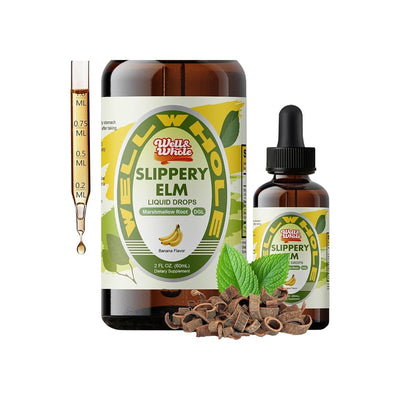
Demulcent herbs — slippery elm, marshmallow root, DGL licorice — form a temporary gel-like coating over irritated mucous membranes. They do not fix the cause of irritation, but for burning or raw-feeling discomfort after acidic or spicy meals, many people find the coating effect calming. They are best used situationally, and timed away from medications, since the same coating can slow drug absorption.
Prebiotic fibers deserve a separate note: they feed beneficial gut bacteria and support the microbiome long term, but a sudden dose can itself cause gas and bloating for the first week or two. If you are adding one, start small.
What to rule out before supplementing
Most post-meal discomfort traces back to mechanics rather than deficiencies: portions that are simply large, meals high in fat that delay stomach emptying, eating quickly enough to swallow air, carbonated drinks, and specific trigger foods. Two weeks of slower eating, smaller portions and less late-night fat will outperform any supplement for a lot of people.
See a clinician rather than self-treating if discomfort is persistent, worsening, accompanied by unintended weight loss, blood, difficulty swallowing, or anemia, or if you are over 50 with new digestive symptoms. These are the patterns where "it's just my stomach" deserves a proper examination.
One more consideration before the cabinet fills up: interactions. Botanicals and enzymes are not automatically neutral — peppermint can interact with acid reflux direction, demulcents can slow medication absorption, and anyone on prescriptions should check new additions with a pharmacist. The gentler the dose you can get away with, the less any of this matters.
Building a calmer meal routine
Whatever you supplement, the surroundings decide how much of it matters. Eating at roughly consistent times gives digestion a rhythm to work with; a short walk after large meals speeds gastric emptying and reliably reduces the heavy feeling; and keeping the biggest, fattiest meal away from the last hours of the day removes the most common single trigger of overnight discomfort.
Give any new routine two full weeks before judging it — gut patterns move slower than expectations, and the first days of a change often feel worse before they feel better.
Key takeaways
- Match the supplement to the symptom: ginger for nausea, peppermint oil for cramping, enzymes for specific foods, simethicone for gas.
- Demulcent botanicals like slippery elm coat and soothe irritation but do not treat its cause.
- Eating speed, portion size and fat load cause most post-meal discomfort — fix those first.
- Probiotics are strain-specific; the category name alone promises nothing.
- Persistent symptoms, weight loss, blood or swallowing difficulty are reasons to see a doctor, not to supplement harder.

Frequently asked questions
What is the best supplement for bloating after eating?
It depends on the cause. For gas-driven bloating, simethicone and alpha-galactosidase (for bean-heavy meals) are the most direct. For IBS-type bloating, peppermint oil capsules have the best trial support. If bloating started after adding a fiber supplement, reducing the dose usually helps more than adding anything new.
Do digestive enzymes actually work?
For the specific foods they target, yes — lactase for lactose and alpha-galactosidase for raffinose-rich vegetables have solid evidence. Broad-spectrum "digestive enzyme" blends have far weaker support, because they rarely match the actual deficit.
Is it normal to feel sick after every meal?
Occasional fullness is normal; consistent discomfort after every meal is not something to simply supplement through. Common fixable causes include very large or fatty meals and rapid eating, but persistent symptoms — especially with weight loss, blood, or new symptoms after 50 — warrant a medical evaluation.
When should I take ginger for digestion?
Trials generally use around 1 gram daily, either spread across meals or taken about 30–60 minutes before the meal that usually causes trouble. Consistency over one to two weeks matters more than precise timing for functional discomfort.
Related supplements
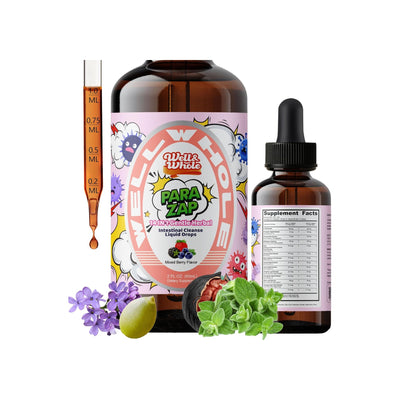
Where to begin? Our Slippery Elm Liquid Drops, Marshmallow Root, Slippery Elm Bark Drops for Women, DGL Licorice Extract, Digestive Health, and Kids’ Black Walnut Digestive Support Drops, 14-in-1 Herbal Formula, Mixed Berry, Ages 1+, 2 fl oz are a sensible place to start, and the Digestive Support collection lays out the other formats side by side with Health Benefits.
These statements have not been evaluated by the Food and Drug Administration. This product is not intended to diagnose, treat, cure, or prevent any disease. Talk to a healthcare professional before starting any new supplement, especially if you are pregnant, nursing, taking medication, or managing a health condition.
These statements have not been evaluated by the Food and Drug Administration. This product is not intended to diagnose, treat, cure, or prevent any disease.