Supplements for Recurring Mouth Ulcers

Recurring mouth ulcers — canker sores that keep coming back — often trace back to fixable causes. The most studied nutrient gaps are zinc, vitamin B12, folate, and iron; mechanical irritation and toothpaste ingredients are common hidden triggers; and stress is a reliable aggravator. Supplements help most when a true deficiency exists, and a few habit changes often cut the frequency more than any capsule.
Key takeaways
- Canker sores are not cold sores — they are inside the mouth, not contagious, and not from herpes virus.
- Zinc, vitamin B12, folate, and iron deficiencies are the best-documented nutrient links.
- SLS toothpaste and hard-brushed brushing are common mechanical triggers worth ruling out first.
- A sore lasting over three weeks, or ulcers with fever or widespread sores, needs medical evaluation.
- Frequency usually drops when triggers and deficiencies are addressed together, not one at a time.
What recurring mouth ulcers usually mean
Most recurring mouth ulcers are aphthous ulcers — small, shallow, painful lesions on soft tissue like the inner cheek, tongue, or gum line. They differ from cold sores, which appear on or near the lip and are contagious. Recurrence patterns matter: occasional ulcers after biting a cheek or eating sharp food are normal, while a steady cycle of new sores suggests an underlying contributor worth hunting down. Immune function is part of the story — these ulcers behave like an over-reactive local immune response, which is why stress and illness so often precede them, especially during cold season when the immune system is already busy.
The nutrient gaps most studied
Zinc. Low zinc status is linked with recurrent ulcers, and small trials of zinc supplementation report fewer recurrences in deficient individuals. Zinc also supports wound healing generally, which fits the role.
Vitamin B12 and folate. Deficiencies in either are classic findings in people with recurring ulcers — sometimes before anemia shows up. A B12 check is worthwhile for anyone with frequent sores, and particularly for adults over 50, where absorption declines.
Iron. Iron deficiency is another documented association, especially in women with heavy periods. This is a test-first situation: iron deficiency confirmed by bloodwork deserves a doctor-guided fix, not self-prescription. Ferritin and vitamin B12 are the two values most worth requesting explicitly.
Supplements that may reduce frequency
Beyond correcting specific deficiencies, the evidence supports a few targeted options. A daily multivitamin covering B vitamins, folate, and zinc reduced recurrence in some trials of people with recurrent ulcers. Vitamin C with bioflavonoids has small-trial support, and its role in immune cell function and tissue repair makes it a reasonable companion. Echinacea and other herbal immune supporters have thinner evidence for this exact use, though some people use them for general immune function during flare-prone stretches. Probiotics are early-stage but plausible, given the oral microbiome's role in mucosal health. Whichever route you try, change one variable at a time so the effect is attributable.
A simple two-week reset plan
Start with the cheap experiments first. Switch to an SLS-free toothpaste and give it two full weeks — that is how long the mucosa needs to settle. Add a basic multivitamin with zinc, folate, and B vitamins if your diet is narrow, and keep a simple tally of new sores on the calendar. Cut the two sharpest snack offenders (tortilla chips and crusty bread are repeat offenders) and see whether the cycle breaks. If two clean weeks pass without a new ulcer, you have found a trigger worth keeping out. If the tally does not improve, the nutrient workup in the next section moves up the priority list instead of the toothpaste aisle.
Habits that quietly trigger ulcers
Sodium lauryl sulfate (SLS) — a foaming agent in many toothpastes — is a repeated trigger in trials, and an SLS-free tube is a cheap experiment. Hard-bristle brushing, aggressive flossing, sharp-edged foods like chips, and dental appliances with rough spots all break mucosa and seed new sores. Stress management rounds out the list: flare cycles often track with deadlines and poor sleep, and the connection is visible enough that many people can name the week their ulcers will arrive before they do. A dentist is often the fastest first stop for frequent sores, since recurring ulcers usually sit within their specialty.
When to see a dentist or doctor
Any ulcer lasting more than three weeks, sores accompanied by fever, joint pain, or digestive symptoms, or ulcers spreading beyond the mouth all need professional evaluation — those patterns can point to conditions that no supplement addresses.

Frequently asked questions
What deficiencies cause recurring mouth ulcers?
Iron, vitamin B12, folate, and zinc are the best-documented links. A blood test can identify which, if any, applies — correcting a confirmed deficiency often reduces recurrence.
Can toothpaste cause mouth ulcers?
Sodium lauryl sulfate (SLS), a foaming agent in many toothpastes, is a repeated trigger in trials. Switching to an SLS-free toothpaste is a cheap, low-risk experiment.
Are mouth ulcers contagious?
Canker sores inside the mouth are not contagious. Cold sores on or near the lip are caused by a virus and can spread — the two are often confused but are entirely different.
When should a mouth ulcer be checked by a doctor?
Any ulcer lasting more than three weeks, sores with fever or joint pain, or ulcers appearing elsewhere on the body all warrant professional evaluation promptly.
Related supplements
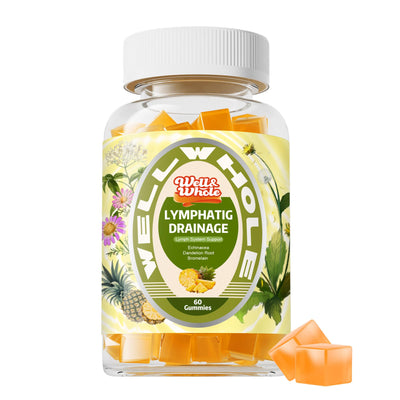
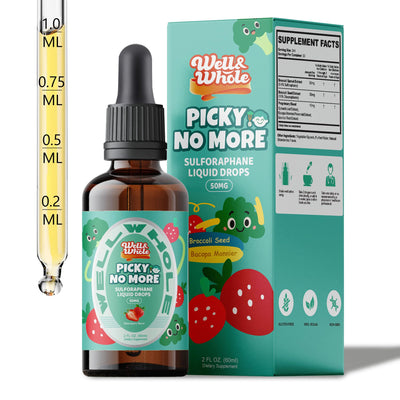
Putting it simply: if this is something you want to add to your routine, our Lymphatic Drainage Supplements Gummies with Echinacea Dandelion Burdock for Adults with Immune and Energy Support and Sulforaphane Broccoli Supplement Liquid Drops for Kids with Sulforaphane, Glucoraphanin, Bacopa Monnieri are a good place to start. The wider Immune Support collection is worth a look, and the Health Benefits range covers related formats.
These statements have not been evaluated by the Food and Drug Administration. This product is not intended to diagnose, treat, cure, or prevent any disease. Talk to a healthcare professional before starting any new supplement, especially if you are pregnant, nursing, taking medication, or managing a health condition.
These statements have not been evaluated by the Food and Drug Administration. This product is not intended to diagnose, treat, cure, or prevent any disease.