Supplements for Kids: What's Actually Safe and Necessary?

Most healthy, well-fed children do not need a long list of supplements. The few that are consistently supported by pediatric guidelines are vitamin D (for all ages where sunlight exposure is limited), a basic multivitamin as nutritional insurance during picky-eating phases, and targeted single nutrients when blood work or growth patterns point to a real gap. Beyond that, the supplement industry's reach into childhood is built more on parental anxiety than on evidence.
The right framework for children's supplements is conservative: cover the basics, test before adding more, and never assume "natural" or "gentle" marketing means the product is appropriate at pediatric doses. Children's physiology is not a smaller version of an adult's, and dosing errors are a leading cause of emergency room visits for supplement-related issues.
What the major pediatric organizations actually recommend
The American Academy of Pediatrics (AAP) recommends vitamin D supplementation for all infants, children and adolescents who do not get reliable sunlight exposure — 400 IU daily for infants under 12 months and 600 IU for older children. Routine multivitamins are not universally recommended but are reasonable for children with restricted diets, picky eating patterns, or specific medical conditions that increase needs. Beyond those, the AAP does not recommend routine supplementation of other nutrients or herbs for healthy children.
When a multivitamin makes sense
A basic, age-appropriate children's multivitamin is reasonable nutritional insurance for children who:
- Eat a narrow range of foods or are going through a picky-eating phase.
- Drink mostly plant-based or non-fortified milk alternatives without other reliable sources of B12, calcium, or vitamin D.
- Have medical conditions that affect nutrient absorption (celiac, IBD, food allergies covering multiple food groups).
- Are on restricted therapeutic diets for other conditions.
For most other children, a multivitamin provides reassurance more than measurable benefit. The downside is mild: extra vitamin A or iron at the wrong dose can cause problems, so choose products formulated specifically for the child's age range rather than splitting adult products.
Vitamin D, the universal recommendation
Vitamin D is the most consistently endorsed pediatric supplement because deficiency is widespread and the consequences during growth (impaired bone mineralization, rickets in severe cases, immune function, possibly mood) are significant. Children with darker skin, those who live at higher latitudes, and those who spend most of their time indoors are at higher risk. Year-round supplementation is often sensible in northern climates, while seasonal supplementation is sufficient in sunnier regions.
Omega-3s for children
Evidence supports omega-3 supplementation for children with diagnosed ADHD or specific learning concerns, where some trials show modest improvements in attention and behavior. For typically developing children, the data is thinner. A reasonable approach is to prioritize omega-3-rich foods (fatty fish twice weekly, ground flax or chia, walnuts) and reserve supplements for children who do not eat those foods regularly.
Probiotics for children
Probiotics have legitimate pediatric uses: preventing antibiotic-associated diarrhea, reducing acute gastroenteritis duration, and supporting recovery from specific GI conditions. Daily "wellness" probiotics for healthy children are less clearly beneficial — the gut microbiome in childhood is dynamic and largely self-organizing. If you do use one, choose a multi-strain product with documented potency through the expiration date, and skip it entirely during healthy periods if budget is a concern.
Iron supplementation requires caution
Iron supplementation in children is one of the most common causes of accidental poisoning. Pediatric iron products should always be stored out of reach and dosed strictly by weight, not by age. Routine iron supplementation is not recommended for children who eat a varied diet — iron status should be tested before supplementing. Adolescent girls who have started menstruating may need additional iron, but again, test first.
Herbal supplements for children
Most herbal supplements have not been studied systematically in pediatric populations, and dosing is rarely established. Echinacea, valerian, melatonin (in healthy children without specific sleep disorders), and ashwagandha are commonly marketed to parents but lack robust safety or efficacy data in children. The conservative approach: avoid herbal supplements for children unless a pediatric clinician familiar with botanical medicine has specifically recommended one for a defined purpose.
Melatonin deserves a special warning
Melatonin use in children has grown rapidly, often as a quick fix for bedtime resistance. For children with neurodevelopmental conditions or diagnosed sleep disorders, short-term use under specialist guidance is appropriate. For typical childhood sleep difficulties, behavioral interventions consistently outperform melatonin in trials, and long-term effects on pubertal timing remain a research question. Use it as a last resort, not a first step.
What good pediatric nutrition looks like
The most evidence-based "supplement" for children is a varied, balanced diet with regular exposure to fruits, vegetables, whole grains, quality protein, and healthy fats. Supplements fill the gap when the diet cannot reliably cover needs, not when parents want extra reassurance. Starting from food first keeps the supplement list short, the budget reasonable, and the risk profile low.
Key takeaways
- Vitamin D is the only supplement consistently recommended for all children.
- A basic children's multivitamin is reasonable insurance during picky-eating phases.
- Iron supplementation requires blood testing first and careful dosing.
- Herbal supplements lack pediatric safety data and should be used cautiously.
- Melatonin is a last resort for childhood sleep issues, not a first step.
- A varied diet does more than any supplement for healthy growth.
Frequently asked questions
At what age can my child start taking a multivitamin?
Most pediatric multivitamins are formulated for ages 2 and up, with separate products for younger toddlers. Earlier than that, infant vitamin D drops are the standard recommendation. Always follow the label's age guidance and avoid adult formulations.
How do I know if my child is actually deficient in something?
Blood work, ordered by your pediatrician, is the only reliable way. Routine screening of iron, B12, vitamin D, and (when relevant) zinc or other markers is reasonable during annual checkups, especially for children with restricted diets or specific risk factors.
Are gummy vitamins safe for children?
Generally yes in age-appropriate doses, but the same drawbacks apply as for adults — sugar content, lower dose per piece, and stickiness that can contribute to cavities. Chewable tablets and liquids often deliver more nutrient per serving and less sugar overall.
What about supplements marketed specifically for "brain development" or "focus"?
Most are not well supported by independent research. The few ingredients with positive pediatric data (omega-3s in ADHD, iron in documented deficiency) work because they correct a real deficiency, not because they enhance an already-sufficient child's brain. If a school-age child is struggling with focus, a clinical evaluation is more useful than a supplement.
Related supplements
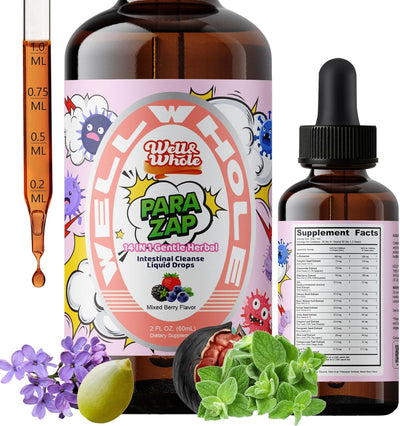
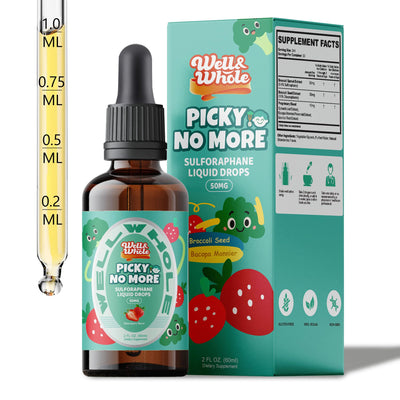
Putting it simply: if this is something you want to add to your routine, our Kids’ Black Walnut Digestive Support Drops, 14-in-1 Herbal Formula, Mixed Berry, Ages 1+, 2 fl oz and Sulforaphane Broccoli Supplement Liquid Drops for Kids with Sulforaphane, Glucoraphanin, Bacopa Monnieri are a good place to start. The wider Immune Support collection is worth a look, and the Digestive Support range covers related formats.
These statements have not been evaluated by the Food and Drug Administration. This product is not intended to diagnose, treat, cure, or prevent any disease. Talk to a healthcare professional before starting any new supplement, especially if you are pregnant, nursing, taking medication, or managing a health condition.