Supplements for Gut Health

The gut health supplements worth considering are a short list: fiber, probiotics with named strains, and a few botanicals such as slippery elm and marshmallow root for occasional digestive discomfort. Everything else — cleanses, enzyme blends with unnamed ingredients, and products promising to "reset" your microbiome — has weaker evidence than the label suggests.
Start with what food cannot do
Most digestive complaints improve with the basics: thirty grams of fiber a day, adequate hydration, regular meal timing, less alcohol, and identifying a genuine trigger food rather than a suspected one. Supplements are a supplement to that, not a replacement. If bloating, gas or discomfort after eating is your main issue, a two-week food and symptom log will tell you more than any product will.
What the evidence actually supports
- Fiber. Soluble fiber slows transit and feeds gut bacteria; insoluble fiber adds bulk. Psyllium is the best studied for regularity and is cheap.
- Probiotics with named strains. Strain identity and CFU count matter, because effects are strain specific rather than general to "probiotics".
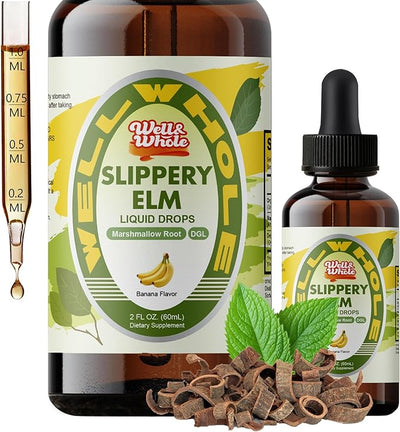
- Slippery elm and marshmallow root. Mucilage-rich botanicals that form a soothing gel in the digestive tract; traditionally used for occasional throat and stomach irritation.
- Digestive enzymes. Useful in specific diagnosed situations such as lactase deficiency, less so as a general wellness product.
- Magnesium. Supportive for constipation at the right dose and form; it is not a digestive treatment.
How to judge a gut health supplement
Read the label in this order: strain names with counts, or botanical species with extract ratio; a third-party testing mark such as USP or NSF; an expiration date rather than a best-by suggestion; and no proprietary blend hiding the doses. A product that lists "a proprietary gut health blend" without amounts cannot be evaluated, which is usually the point.
Timing and how to tell if it is working
Take probiotics away from hot drinks and follow the label on refrigeration. Fiber should be increased gradually alongside more water, or you will trade constipation for gas. Give any single change two to four weeks before judging it, and change one thing at a time so you can attribute the result. If you feel no difference in four weeks, stop — the honest answer is that it was not doing anything for you.
When to see a clinician instead
Blood in the stool, unintentional weight loss, night-time symptoms that wake you, persistent vomiting, a new onset of symptoms after age fifty, or iron deficiency anemia are not supplement problems. Those need evaluation. So does bloating that is severe, progressive, or accompanied by fever.
Two specific cautions are worth stating plainly. Children's digestive products should not be used without pediatric guidance, and peppermint oil, while helpful for some, commonly causes heartburn in people with reflux.
Prebiotics, probiotics and postbiotics: what is the difference
The three words describe different parts of the same system, and the confusion between them is where most marketing lives.
| Type | What it is | Examples |
|---|---|---|
| Prebiotic | Fiber and compounds your bacteria ferment | Psyllium, inulin, oats, legumes |
| Probiotic | Live microorganisms with identified strains | Lactobacillus and Bifidobacterium species |
| Postbiotic | Metabolites the bacteria produce, such as short-chain fatty acids | Butyrate, lactate |
For most people the prebiotic side is the better investment, because it feeds whatever microbiome you already have instead of introducing strains that may not colonise. If you do choose a probiotic, look for a product that names species and strain and states the count at end of shelf life rather than at manufacture.
What about glutamine and collagen for gut health?
Glutamine is the primary fuel for the cells lining the small intestine, and it is used clinically in specific settings such as critical illness and severe mucosal injury. In healthy adults eating adequate protein there is no strong evidence that extra glutamine improves everyday digestive symptoms. Collagen and gelatin have been studied more for skin and joint outcomes than for gut function, and the marketing claim that they "heal the gut lining" outruns the data. Both are reasonable to include as part of protein intake, not as targeted gut products.
Key takeaways
- Food first: fiber, water, regular meals and trigger identification outperform most products.
- Only fiber, named-strain probiotics and a few mucilage botanicals have solid evidence for general gut support.
- Look for strain names with counts, third-party testing and expiration dates — avoid proprietary blends.
- Change one thing at a time and give it two to four weeks, then stop if nothing changes.
- Blood in stool, weight loss or new symptoms after fifty need medical evaluation, not supplements.

Frequently asked questions
Do probiotics actually help with bloating?
Sometimes, and it depends on the strain and the cause. Bloating driven by constipation responds best to fiber and hydration. If you try a probiotic, choose one with named strains and give it four weeks.
Are digestive enzymes worth taking?
For a diagnosed deficiency, such as lactase or pancreatic insufficiency, yes. As a general product for occasional bloating, the evidence is thin and the effect is usually small.
How long should I take a gut health supplement before judging it?
Two to four weeks of consistent use, while keeping everything else stable. If nothing changes, the product is not earning its place in your routine.
Can I take slippery elm every day?
Slippery elm is generally well tolerated short term, but its mucilage can slow the absorption of medications. Separate it from any prescription drugs by at least two hours and check with a pharmacist if you take several.
Related supplements
Should you decide to supplement, Slippery Elm Liquid Drops, Marshmallow Root, Slippery Elm Bark Drops for Women, DGL Licorice Extract, Digestive Health, and Kids’ Black Walnut Digestive Support Drops, 14-in-1 Herbal Formula, Mixed Berry, Ages 1+, 2 fl oz are our formulation for this purpose. For a broader comparison, see the Digestive Support and Health Benefits collections.
These statements have not been evaluated by the Food and Drug Administration. This product is not intended to diagnose, treat, cure, or prevent any disease. Talk to a healthcare professional before starting any new supplement, especially if you are pregnant, nursing, taking medication, or managing a health condition.