Supplements for Blood Pressure

Only a handful of supplements have meaningful evidence for supporting healthy blood pressure — magnesium, potassium (best obtained from food), psyllium fiber, and vitamin D when you are deficient — and even the best-supported options produce modest changes, typically in the range of 2–5 mmHg systolic. They work alongside, never instead of, eating patterns, exercise, and any medication a clinician has prescribed.
Here is what the research actually shows, and how to use these options sensibly.
Key takeaways
- Magnesium has the most consistent supplement evidence: meta-analyses suggest roughly 2–4 mmHg systolic support at 300–600 mg/day.
- Potassium helps, but the safest source is food — bananas, beans, potatoes, leafy greens — not capsules.
- Psyllium fiber offers small, reliable support and improves blood sugar balance and cholesterol levels at the same time.
- Blood pressure is one marker inside a larger metabolic panel — track it with fasting glucose, HbA1c and a lipid panel rather than in isolation.
- Always cross-check supplements against blood pressure medication before starting.
Blood pressure rarely rises in isolation
Reading your numbers through a wider metabolic lens makes supplement choices smarter. Blood pressure travels with fasting glucose, HbA1c, triglycerides, HDL cholesterol and waist circumference — the cluster clinicians assess in a standard metabolic panel. If several of these are drifting, the highest-leverage moves are usually body composition and insulin sensitivity: losing even 2–3% of body weight, adding two weekly strength sessions, and walking after meals. Supplements then act as a supporting layer on a foundation that is already improving, which is also when their small effects are easiest to detect on a home cuff.
The supplements with the best evidence
Magnesium
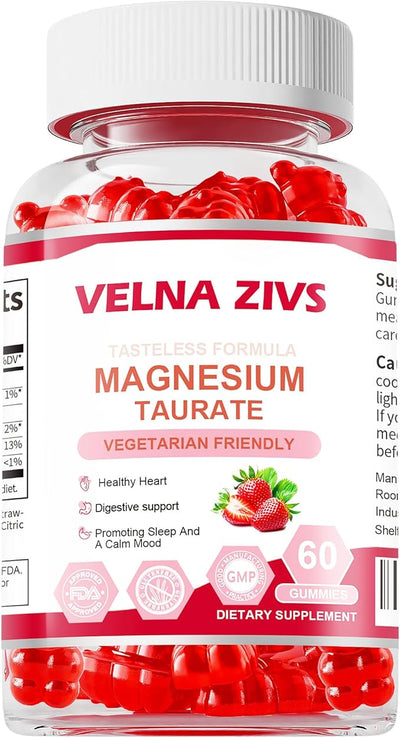
Pooled analyses of randomized trials suggest magnesium supplementation at roughly 300–600 mg per day is associated with small reductions in systolic and diastolic pressure, with effects more visible in people whose intake is low to begin with — which is common, since most adults fall short of recommended amounts. Well-absorbed forms include magnesium glycinate and magnesium taurate. The main side effect at higher doses is loose stool; split dosing helps.
Potassium — mostly from food
Higher potassium intake is a cornerstone of the DASH eating pattern, and meta-analyses associate it with meaningful systolic support, especially in people with high sodium intake. The evidence favors food sources: a medium potato, a cup of beans, a banana, and cooked greens each contribute hundreds of milligrams toward the 3,400–4,700 mg daily target. Potassium supplements are a different story — over-the-counter capsules are capped at 99 mg for a reason, and concentrated potassium is unsafe for people with kidney disease or on potassium-sparing medication without medical supervision.
Psyllium fiber
Trials of psyllium husk show modest systolic support — often 2–3 mmHg — alongside well-documented improvements in LDL cholesterol levels and post-meal glucose. A teaspoon in water once or twice daily, with a full glass of water, is the standard studied approach.
Vitamin D, if you are deficient
Vitamin D supplementation shows blood-pressure support mainly in people who start out low; correcting a documented deficiency with a clinician's guidance is the reasonable play, while high-dose vitamin D in replete people shows no benefit.
What the evidence does not support
Mega-doses of any single mineral do not outperform moderate doses, and a long list of trendy ingredients shows mixed, low-quality or contradictory evidence. Treat any product promising large drops in days with suspicion — real, supplement-sized effects are measured in single-digit mmHg over weeks, and anything dramatic belongs in a medical conversation, not a shopping cart.
Lifestyle still leads
The DASH eating pattern, sodium reduction, regular aerobic activity and better sleep each deliver larger, better-documented effects than any capsule. A useful framing: supplements fine-tune a plan that food, movement and medication already run. If your home readings have not moved after twelve weeks of an honest supplement trial, the more useful conclusion is that your levers are elsewhere — portion patterns, sodium hidden in restaurant meals, or sleep apnea — and that is a conversation worth having with data in hand.
How to use supplements sensibly
Change one thing at a time and measure. Home readings at the same hours each day, seated and rested, tell you more than any marketing claim. Cross-check every supplement against your medication list: magnesium and fiber can affect absorption timing of some drugs, and potassium requires explicit clinician sign-off if you take ACE inhibitors, ARBs, or diuretics. Choose third-party-tested products, give any trial eight to twelve weeks, and let the home cuff — not hope — decide whether it stays.

Frequently asked questions
Do supplements actually lower blood pressure?
The best-evidenced options — magnesium, potassium-rich eating patterns, psyllium fiber — support modest reductions of roughly 2–5 mmHg systolic in trials. That is meaningful at a population level and a useful supplement to lifestyle change, but supplements are not a replacement for prescribed treatment.
Can I just take potassium pills instead of changing my diet?
It is not recommended. Over-the-counter potassium capsules contain tiny doses, and self-directed potassium supplementation carries real risk for anyone with kidney issues or certain medications. Food sources are safer and deliver more potassium per serving anyway.
How long before magnesium has an effect?
Trials typically run 8–12 weeks before measuring. Take it with food, split doses if it loosens stools, and judge the result with a consistent home-measurement routine rather than a single reading.
Should I tell my doctor before trying supplements?
Yes, especially if you take blood pressure medication. Supplements that support lower pressure can stack with medication and lifestyle changes, occasionally more than intended — your clinician can help you monitor safely and adjust as needed.
Related supplements
If you want to explore this area, the Health Benefits and Minerals collections cover the relevant supplements and formats.
These statements have not been evaluated by the Food and Drug Administration. This product is not intended to diagnose, treat, cure, or prevent any disease. Talk to a healthcare professional before starting any new supplement, especially if you are pregnant, nursing, taking medication, or managing a health condition.