sulforaphane supplement vs broccoli sprouts

When looking to boost health through diet, many people focus on nutrient-packed foods or supplements. Among the most discussed options in the health and wellness space are broccoli sprouts and sulforaphane supplements, both celebrated for their impressive health benefits. Sulforaphane, a powerful antioxidant and compound found naturally in broccoli sprouts, has gained popularity for its potential in supporting cellular health, detoxification, and overall wellness. Here, we’ll dive into the nuances of these options to help you determine which might be the better fit for your nutritional goals.
Key Takeaways
- Sulforaphane is a naturally occurring compound found in broccoli and broccoli sprouts, studied for its role in the body's normal antioxidant and detoxification pathways.
- Supplements often use broccoli sprout extract or stabilized glucoraphanin plus the enzyme myrosinase to support sulforaphane formation.
- It complements a diet rich in cruciferous vegetables rather than replacing it.
Understanding Sulforaphane in Broccoli Sprouts
Broccoli sprouts, young seedlings of broccoli plants, are nutritional powerhouses. What makes them special is their extremely high concentration of glucoraphanin, a precursor to sulforaphane. When broccoli sprouts are consumed and chewed, glucoraphanin interacts with an enzyme called myrosinase, naturally producing sulforaphane.
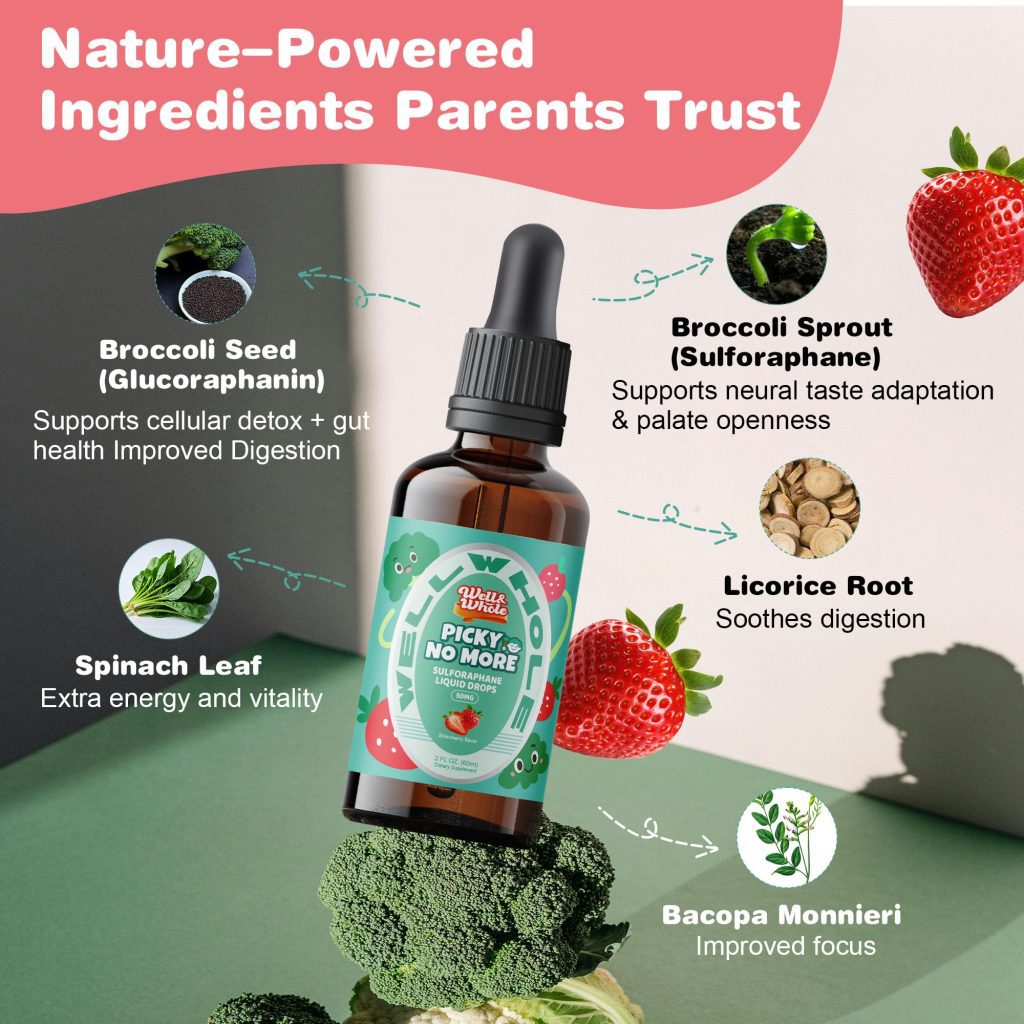
Sulforaphane is revered for its antioxidant, anti-inflammatory, and detoxification properties. Studies have also linked sulforaphane to support for brain health, gut health, and even protection against oxidative stress. Notably, broccoli sprouts contain significantly higher amounts of glucoraphanin than mature broccoli—up to 50-100 times more.
Choosing broccoli sprouts provides a natural way to obtain sulforaphane. They’re minimally processed and rich in fiber, vitamins, and other nutrients that enhance overall health. However, consuming sprouts in consistent quantities to unlock their absolute full potential can be challenging for some individuals, especially due to sourcing, preparation, and taste preferences.
Sulforaphane Supplements: Convenience and Consistency
Sulforaphane supplements, on the other hand, are designed to deliver a potent and concentrated dose of the compound. For individuals looking for precision and consistency, supplements may be ideal because they eliminate variables tied to enzyme activation or cooking methods that might degrade sulforaphane in fresh broccoli.
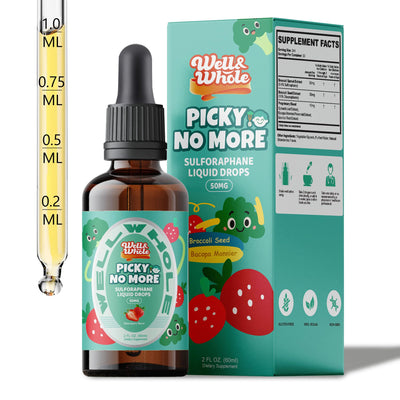
High-quality brands like well&whole offer sulforaphane supplements that are carefully formulated to preserve the bioavailability of active compounds. These supplements can effectively cater to individuals who need consistent intake for targeted health benefits or those with busy lifestyles who may not have the time to prepare fresh sprouts daily.
However, it’s important to ensure you’re purchasing reputable supplements that maintain the integrity and potency of sulforaphane. Low-quality options may lack proper formulations or active enzymes, reducing effectiveness. Always review third-party testing and customer reviews when choosing a supplement.
The Best Choice for You: Factors to Consider
The decision between broccoli sprouts and sulforaphane supplements largely depends on your priorities and lifestyle.
- Convenience: If you have the time to grow or purchase fresh broccoli sprouts, and you enjoy incorporating them into meals, sprouts might be an excellent choice. However, if convenience and ease of use matter most, supplements are undoubtedly more practical.
- Consistency of Intake: Supplements offer a standardized amount of sulforaphane, making it easier to meet your daily needs. With broccoli sprouts, sulforaphane levels can vary based on preparation techniques and plant quality.
- Cost and Accessibility: Fresh broccoli sprouts need ongoing investment in purchasing or growing, while supplements typically offer a straightforward cost-per-serving ratio.
- Additional Nutrients: Broccoli sprouts boast fiber, vitamins, and phytonutrients that complement sulforaphane’s effects. If you’re seeking a more holistic nutritional benefit, sprouts may be preferable.
- Targeted Needs: For individuals with specific health concerns or goals—such as detoxification support or antioxidant intake—sulforaphane supplements can help meet those needs without the additional effort tied to food preparation.
Why well&whole?
At well&whole, we understand the importance of harnessing the benefits of sulforaphane while meeting diverse lifestyle needs. Our sulforaphane supplements are scientifically formulated, ensuring potency and bioavailability to give you peace of mind when it comes to quality and efficacy.
Whether you opt for fresh sprouts or supplements, incorporating sulforaphane into your diet is a powerful way to support long-term wellness and vitality. And with well&whole, you’ll always have health solutions tailored to your lifestyle, so you can move through life feeling your best.
In the end, there is no one-size-fits-all answer. Both broccoli sprouts and sulforaphane supplements are excellent options, and your choice may depend on your preferences, needs, and daily routine. Regardless of the path you choose, increasingly recognizing the value of sulforaphane-rich sources will help you in achieving a proactive approach to health and wellness.
What sulforaphane is
Sulforaphane forms when the compound glucoraphanin (abundant in broccoli and especially broccoli sprouts) comes into contact with the enzyme myrosinase. It has been widely studied for supporting the body's normal antioxidant and detoxification pathways.
Cooking can reduce myrosinase, which is why many supplements emphasize stabilized glucoraphanin plus added myrosinase.
How sulforaphane is commonly taken
Capsules and powders from broccoli sprout extract are typical. Some people pair them with raw cruciferous foods to support the natural enzyme activity.
A consistent daily serving is the common approach; exact timing is a personal preference.
Who might be interested
Adults focused on everyday cellular wellness and those who do not regularly eat cruciferous vegetables often explore sulforaphane.
It is a popular addition to a broad antioxidant routine.
How to choose a quality sulforaphane product
Look for a stated glucoraphanin amount and, ideally, myrosinase or sprout-based extract. Third-party testing and clear sourcing add confidence.
How to fit sulforaphane into a daily routine
Consistency matters more than perfection. Most people do best by attaching a supplement to an existing habit—morning coffee, a post-workout shake, or an evening wind-down—so it becomes automatic rather than another task to remember.
Start with the labeled serving and give it a few weeks of regular use before judging how it fits. Keep a simple note of how your routine feels; that feedback helps you adjust timing or format.
What to look for when reading the label
A transparent label states the active amount per serving, the form of the ingredient, and any third-party testing or quality certifications. Avoid products that hide specifics behind proprietary blends.
Check serving size, other added ingredients, and storage instructions. If anything is unclear, a reputable brand's customer support should answer directly—and a healthcare professional can help you match a product to your needs.
When to check in with a professional
If you are pregnant, nursing, taking medication, or managing a health condition, a quick conversation with a qualified healthcare professional is the safest starting point.
They can help you weigh potential interactions and decide whether a given supplement is appropriate for your individual situation.
A note on consistency and patience
Supplements are rarely a single-event fix. The benefits people notice—steadier energy, smoother recovery, an easier daily routine—tend to accumulate over weeks of regular use. Give any new addition a fair trial before drawing conclusions.
How this fits a broader wellness picture
Most people get the best results when a supplement supports an already reasonable diet, sleep, and activity pattern. Think of it as one input among many, not a substitute for the fundamentals.
This article is for general wellness education and is not intended to diagnose, treat, cure, or prevent any condition. Individual needs vary—always review product labels and consult a qualified healthcare professional before starting any new supplement.
Related supplements
Explore the full well&whole supplement collection to find formats and combinations that fit your routine.
These statements have not been evaluated by the Food and Drug Administration. This product is not intended to diagnose, treat, cure, or prevent any disease.