Stress Supplements: What Actually Works for Cortisol and Anxiety
Stress supplements — evidence-based options for lowering cortisol, reducing anxiety, and supporting adrenal function. The science behind each option.

Chronic stress is one of the most damaging forces on health. It disrupts sleep, impairs immunity, increases inflammation, elevates blood pressure, and contributes to virtually every chronic disease.
While lifestyle interventions (meditation, exercise, sleep) are foundational, certain supplements have strong evidence for supporting the body's stress response.
This article covers the science-backed options.
1. Ashwagandha (Withania somnifera)
Evidence Level: Very Strong
Why it's effective:
· Adaptogen with decades of research
· Reduces cortisol by 14–28% in studies
· Improves subjective stress scores
· Enhances sleep quality
· Supports thyroid function (caution with hyperthyroidism)
Best dose: 300–600 mg daily
Best forms: KSM-66 (most studied) or Sensoril
Time to effect: 4–8 weeks for full effects; some effects within 1–2 weeks
Best for: Chronic stress, anxiety, sleep issues, burnout
Top study: A 2012 Indian study showed 56% reduction in perceived stress, 27% reduction in cortisol, and improved quality of life.
2. Rhodiola Rosea
Evidence Level: Strong
Why it's effective:
· Adaptogen that reduces stress-induced fatigue
· Works faster than ashwagandha (1–2 weeks)
· Improves mental performance under stress
· Modulates cortisol and DHEA
· Anti-inflammatory effects
Best dose: 200–400 mg daily
Best form: Standardized extract (3% rosavins, 1% salidroside)
Time to effect: 1–2 weeks
Best for: Acute stress, mental fatigue, burnout recovery
Note: Best taken earlier in the day (can be stimulating).
3. Magnesium
Evidence Level: Strong
Why it's effective:
· Critical for HPA axis regulation
· Deficiency is very common (~50% of US adults)
· Low magnesium = exaggerated stress response
· Supports GABA activity (calming neurotransmitter)
· Glycine form is doubly calming
Best dose: 200–400 mg daily
Best form: Glycinate or threonate
Time to effect: Days to weeks
Best for: Anxiety, sleep, muscle tension, irritability
Bonus: Also supports cardiovascular health and sleep quality.
4. L-Theanine
Evidence Level: Strong for acute anxiety
Why it's effective:
· Amino acid from tea
· Promotes alpha brain wave activity (relaxed alertness)
· Increases GABA, serotonin, dopamine
· Reduces the jittery effects of caffeine
· Fast-acting
Best dose: 100–200 mg
Time to effect: 30–60 minutes (acute)
Best for: Situational anxiety, work stress, pre-meeting calm
The combination: L-theanine (200 mg) + caffeine (50–100 mg) = focused calm without jitteriness.
5. Phosphatidylserine (PS)
Evidence Level: Good
Why it's effective:
· Cell membrane component
· Helps blunt cortisol response to stress
· Especially effective for exercise-induced cortisol
· Supports cognitive function under stress
· Natural production declines with age
Best dose: 100–300 mg daily
Best form: Soy or sunflower-derived PS
Time to effect: 2–4 weeks
Best for: High-cortisol stress, post-workout recovery
6. Holy Basil (Tulsi)
Evidence Level: Good
Why it's effective:
· Adaptogenic herb from Ayurvedic medicine
· Reduces stress and anxiety
· Supports immune function
· Anti-inflammatory
· Mild blood sugar-lowering effects
Best dose: 300–600 mg daily
Best form: Standardized extract
Time to effect: 4–8 weeks
Best for: Chronic stress, immune support, blood sugar balance
7. GABA (Gamma-Aminobutyric Acid)
Evidence Level: Mixed (depends on form)
Why it can work:
· Primary calming neurotransmitter
· Oral GABA can have calming effects (though blood-brain barrier crossing is debated)
· Can reduce anxiety and improve sleep
· Some people respond well; others don't
Best dose: 100–300 mg
Best form: PharmaGABA (natural fermentation form)
Time to effect: 30–60 minutes
Best for: Acute anxiety, racing thoughts, sleep onset
Caveat: Some studies show minimal effect on brain GABA levels; individual response varies.
8. Lemon Balm (Melissa officinalis)
Evidence Level: Good
Why it's effective:
· Traditional calming herb
· Modulates GABA receptors
· Reduces anxiety and improves mood
· Mild cognitive enhancement (improves focus in anxious people)
· Often combined with valerian for sleep
Best dose: 300–600 mg daily
Best form: Standardized extract
Time to effect: 1–4 weeks
Best for: Mild anxiety, mood support, sleep
9. Saffron
Evidence Level: Good (especially for mood)
Why it's effective:
· Anti-anxiety and antidepressant effects
· Modulates serotonin and dopamine
· Studies comparable to SSRIs for mild-moderate depression
· Adaptogenic properties
· Anti-inflammatory
Best dose: 30 mg daily (standardized extract)
Time to effect: 4–8 weeks
Best for: Stress with low mood, anxiety, mild depression
Caveat: Expensive; quality matters (look for standardized extracts).
10. Omega-3s (EPA/DHA)
Evidence Level: Strong for mood-related stress
Why it's effective:
· Reduce neuroinflammation
· Support neurotransmitter function
· Strong evidence for depression and anxiety
· Membrane fluidity affects stress response
· Often low in modern diets
Best dose: 1,000–2,000 mg EPA+DHA
Best form: Triglyceride form
Time to effect: 8–12 weeks
Building a Stress-Support Stack
For acute stress (situational, work-related):
· L-Theanine (100–200 mg) as needed
· Optional: small dose of caffeine + L-theanine for focus
For chronic stress (ongoing, burnout):
· Ashwagandha (300–600 mg KSM-66)
· Magnesium glycinate (200–400 mg)
· Omega-3s (1,000+ mg EPA+DHA)
For stress with low energy:
· Rhodiola (200–400 mg) — morning
· Ashwagandha (300–600 mg) — evening
· B-complex
For stress with sleep issues:
· Ashwagandha (evening)
· Magnesium glycinate (evening)
· L-theanine (evening)
· Optional: GABA, lemon balm
The Foundations That Supplements Can't Replace
Sleep: 7–9 hours; non-negotiable for stress recovery
Exercise: 150+ min/week; the most evidence-based stress intervention
Meditation/mindfulness: 10–20 min daily; proven cortisol reduction
Social connection: Loneliness is a major stressor
Boundaries: Saying no protects energy
Therapy: When stress becomes overwhelming
What Doesn't Work for Stress
Melatonin for stress (not just sleep): Often used, but limited direct stress effects
5-HTP alone: Can help mood, but not directly stress
St. John's Wort: For depression, not stress
High-dose vitamin C: Marginal effects despite the myth
Ginseng alone: Mild effects, less reliable than ashwagandha
Kava: Can work for acute anxiety, but liver concerns make it not appropriate for daily use
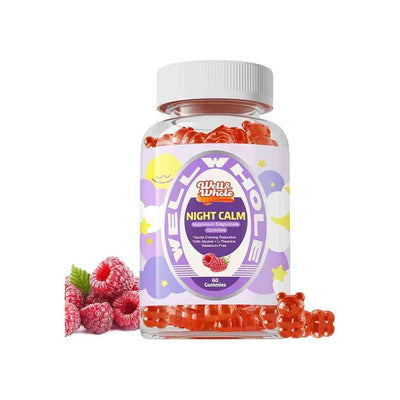
The well&whole Stress Stack
For comprehensive stress support, our Calm & Balance Stack combines:
· **Ashwagandha KSM-66 Gummies** (300 mg)
· **Magnesium Glycinate** (300 mg)
· **L-Theanine + GABA** (calm focus)
· **Omega-3 Gummies** (mood support)
Plus our Sleep & Relaxation Gummies for evening support.
FAQ
How long until I feel less stressed?
· L-theanine: 30–60 minutes (acute)
· Magnesium: Days to weeks
· Ashwagandha: 1–2 weeks for some effects; 4–8 weeks for full
· Rhodiola: 1–2 weeks
· Omega-3s: 8–12 weeks
Can I take ashwagandha and rhodiola together?
Yes, they have complementary mechanisms. Many stress stacks include both.
Are these supplements safe long-term?
Generally yes, but cycling is reasonable:
· Ashwagandha: 8 weeks on, 4 weeks off is a common approach
· Rhodiola: Often used continuously or in cycles
· Magnesium: Daily long-term is safe
· L-theanine: Safe for daily use
Can I take stress supplements with antidepressants?
Caution required:
· Ashwagandha: Can affect thyroid; may interact with sedatives
· St. John's Wort: Multiple dangerous interactions (but not in our list)
· L-theanine: Generally safe
· Magnesium: Generally safe
· Rhodiola: Generally safe
Always consult your prescribing doctor before combining with psychiatric medications.
What about melatonin for stress?
Melatonin is for sleep timing, not stress per se. Better sleep helps stress, but melatonin isn't a primary stress supplement.
Is ashwagandha safe for thyroid conditions?
Ashwagandha can increase thyroid hormone levels. Generally safe for hypothyroidism, but caution with hyperthyroidism. Consult your doctor.
Conclusion
Stress is complex and supplements alone can't solve it. But the right supplements, combined with foundational lifestyle practices, can significantly support the body's stress response.
The top 3 supplements for most people:
1. **Ashwagandha** (KSM-66) — Comprehensive stress support
2. **Magnesium glycinate** — Foundational, calming
3. **L-theanine** — Acute calming without sedation
For specific needs:
· Energy: Add Rhodiola
· Mood: Add Omega-3s or Saffron
· Sleep: Add GABA, lemon balm
· Cortisol blunting: Add Phosphatidylserine
For a comprehensive, evidence-based stress support routine, our Calm & Balance Stack covers the essentials.
These statements have not been evaluated by the Food and Drug Administration. This product is not intended to diagnose, treat, cure, or prevent any disease.