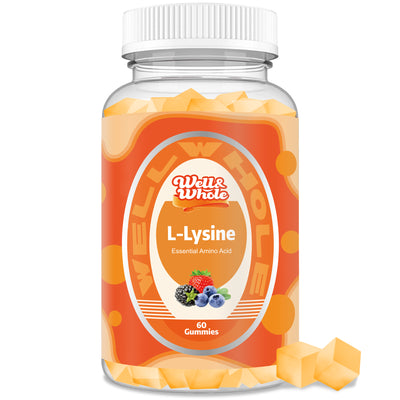
Side Effects of L-Lysine Supplement

Side Effects of L-Lysine Supplement
L-lysine is one of those quiet workhorses in the supplement world. You might know it as the amino acid people reach for to keep their skin clear, support immune defenses, or shorten the misery of a cold sore outbreak. For most healthy adults, adding a bit of extra lysine to the daily routine feels like a safe, almost boring habit — and that’s exactly why it’s so widely loved. But no matter how gentle a supplement seems, the body has its own way of raising a hand and asking, “Are you sure about this?” Understanding the potential side effects of L-lysine isn’t about fear-mongering; it’s about giving yourself the clarity to use it wisely. For our team at well&whole, a global health and wellness trade company, that clarity is the foundation of every product we source and recommend.
What Makes L-Lysine So Popular — and Generally Safe
Before unpacking side effects, it helps to know why L-lysine earned its spot in so many cabinets. This essential amino acid cannot be made by the body, so you have to get it from foods like poultry, fish, eggs, and legumes, or from a dietary supplement. Research points to its role in reducing the frequency of herpes simplex virus outbreaks, supporting calcium absorption, and contributing to collagen formation. Most people handle standard oral doses perfectly well. In fact, at intakes under 3,000 mg per day, the “lysine supplement safety profile” is considered excellent. Still, excellent doesn’t mean universal, and that gap is where real life happens — because our digestive systems, genetics, and health backgrounds don’t read the same textbook.
Main takeaway: At commonly recommended doses, L-lysine is well tolerated by the vast majority of users, but no supplement is entirely without risk when personal factors come into play.
Common and Mild Adverse Reactions Worth Knowing
When someone does experience trouble, it usually starts in the gut. The most frequently reported issues are mild nausea, bloating, diarrhea, or a crampy sensation shortly after taking the capsule or powder. These effects often appear when the supplement is taken on an empty stomach or in a single large dose. I’ve heard quite a few people say the discomfort faded completely once they started splitting their doses or consuming lysine alongside a meal. This isn’t a sign that the amino acid is toxic — it’s more like your stomach politely suggesting a different rhythm.
Beyond digestion, a small subset of users report headaches or a sense of fatigue that crops up during the first few days of use. Why this happens isn’t fully pinned down, but it may relate to shifts in amino acid balance or mild dehydration. Drinking extra water and watching how you feel can often clarify whether the supplement is the culprit. Paying attention to these early signals is the smartest way to stay ahead of a minor nuisance before it turns into a daily complaint. Users searching for “side effects of taking l-lysine daily” often worry about long-term tolerance, and the reality is that these initial reactions seldom persist if your body adapts over a week or two.
Main takeaway: Most side effects are digestive, typically mild, and heavily influenced by how and when you take the supplement. Adjusting the routine often resolves them quickly.
Groups That Should Pause Before Using L-Lysine
Even a gentle amino acid carries a caution label for certain individuals. People with existing kidney impairment need to be particularly thoughtful. When you ingest extra lysine, your kidneys work harder to process nitrogen; in someone with reduced renal function, this additional load could theoretically worsen their condition. There’s no need to panic if your kidneys are healthy — the concern centers on those who already have diagnosed kidney disease or are being monitored for declining function.
Pregnant and breastfeeding women also sit in a grey zone. There simply isn’t enough robust safety data to give a confident green light for high-dose lysine supplementation during these stages, so most healthcare providers recommend food sources instead. Anyone taking calcium supplements or aminoglycoside antibiotics should likewise check with a doctor, because lysine can increase calcium absorption to a degree that might need monitoring, and the combination with certain antibiotics could theoretically raise the risk of nephrotoxicity. If you’ve ever typed “l-lysine supplementation risks for kidneys” into a search bar, you already know how important it is to treat pre-existing health conditions as a critical filter before starting any new regimen.
Main takeaway: Those with kidney concerns, pregnancy, or certain medication routines should seek medical guidance. Pre-screening gives you peace of mind and keeps the supplement working for you, not against you.
How well&whole Supports Smarter Supplement Choices
As a trade company rooted in the global wellness market, well&whole has seen firsthand how quality control directly influences side effect rates. Impurities, incorrect labeling, and inconsistent raw materials can turn a normally benign supplement into something that upsets your system. That’s why our supplier network prioritizes third-party purity testing and strict adherence to Good Manufacturing Practices. When you choose a brand like well&whole, you’re not just buying a capsule — you’re accessing a chain of accountability that makes gastrointestinal irritation far less likely. A clean formula with accurate dosage helps your body receive exactly what the label promises, minus the unwanted extras that can trigger discomfort. For anyone who has experienced issues with generic products, this distinction often marks the dividing line between a frustrating experience and a genuinely supportive one.
Main takeaway: The provenance and purity of your L-lysine supplement shape your body’s response. Partnering with committed suppliers transforms safety from a buzzword into a measurable outcome.
Making L-Lysine Work Smoothly for You
A few practical habits can keep the side effect conversation firmly in the minor-and-temporary category. Start low and go slow — beginning with 500 mg once daily gives your digestive tract time to adjust before moving toward a higher therapeutic dose. Pairing the supplement with a small amount of food, even a few crackers or a banana, buffers the stomach and reduces the chance of that queasy wave. It is also wise to stay within the daily upper intake suggested on the product label, avoiding the “more is better” trap that sometimes leads to unnecessary gastric distress or loose stools. Keep a mental note of how you feel, especially during the first week, and be willing to pause if something feels off. This isn’t about tolerating discomfort; it’s about finding the pattern that lets your body thrive. For those searching for “best way to take l-lysine to avoid side effects,” consistency and mindfulness almost always beat sheer intensity.
Main takeaway: Sensible dosing, taking the supplement with food, and listening to your body’s feedback transform L-lysine from a potential digestive irritant into a seamless part of your wellness routine.
Frequently Asked Questions
Does L-lysine cause weight gain or changes in appetite? There is no direct evidence linking L-lysine to weight gain. Some people report a slightly better appetite because their digestive comfort improves overall, but the amino acid itself doesn’t alter metabolism in a way that promotes fat storage. If you notice changes, look at other dietary or lifestyle factors first.
Can I take L-lysine every day without a break? For most healthy individuals, daily use is considered safe as long as you stick to the recommended dosage and take periodic stock of how your body feels. A short break every few months can help you assess whether you still need it. If in doubt, a conversation with a healthcare professional offers personalized clarity.
What if I already have a sensitive stomach — should I avoid well&whole L-lysine? Not necessarily, but you’ll want to be strategic. Products that undergo rigorous purity protocols, like those we supply at well&whole, typically contain fewer impurities that might aggravate a sensitive gut. Starting with a very small dose with food and tracking your response can help you decide if the supplement suits your system.
These statements have not been evaluated by the Food and Drug Administration. This product is not intended to diagnose, treat, cure, or prevent any disease.