Selenium Benefits and Sources: The Antioxidant Mineral
Discover the health benefits of selenium, the best food sources, signs of deficiency, and how to safely use selenium supplements.

Selenium is a trace mineral with outsized importance for human health. Though the body needs only tiny amounts, selenium is essential for thyroid function, antioxidant defense, immune health, and reproduction.
Key Takeaways
- Vitamins and minerals are essential nutrients the body needs in small amounts for normal function.
- A supplement helps fill dietary gaps but works best with a varied diet.
- Follow labeled servings—more is not always better; consult a professional before high-dose use.
This article explores what selenium does, where to find it, and how to maintain optimal levels without getting too much.
What Is Selenium?
Selenium is a trace element found in soil, water, and certain foods. It's incorporated into proteins called selenoproteins, which perform critical functions throughout the body.
There are about 25 known selenoproteins, including:
· **Glutathione peroxidases**: Antioxidant enzymes that protect cells from oxidative damage.
· **Thioredoxin reductases**: Support DNA synthesis and cell repair.
· **Thyroid hormone deiodinases**: Convert T4 to active T3.
Health Benefits of Selenium
Thyroid Support
The thyroid contains more selenium per gram of tissue than any other organ. Selenium helps convert inactive T4 to active T3 and protects the thyroid gland from oxidative stress during hormone production.
Antioxidant Protection
Selenium-dependent enzymes help neutralize free radicals and reduce oxidative damage.
Immune Function
Selenium supports the production and activity of white blood cells. Deficiency has been linked to impaired immune responses.
Reproductive Health
Selenium is important for sperm motility and may support fertility in men.
Cognitive Health
Some research suggests that adequate selenium status may be associated with better cognitive function in older adults.
Selenium Deficiency
Selenium deficiency is rare in the United States but can occur in areas with selenium-poor soil. Symptoms may include:
· Fatigue
· Brain fog
· Weakened immunity
· Thyroid dysfunction
· Hair loss
· Infertility in men
Severe deficiency can lead to Keshan disease, a heart condition, and Kashin-Beck disease, which affects joints.
Best Food Sources of Selenium
Just one or two Brazil nuts can meet the daily requirement, but their selenium content varies widely.
Selenium Dosage and Safety
The RDA for selenium is 55 mcg per day for adults. The tolerable upper intake level is 400 mcg per day.
Excessive selenium can cause:
· Garlic breath odor
· Hair loss
· Brittle nails
· Nausea and diarrhea
· Fatigue
· Nerve damage
Because Brazil nuts are so concentrated, eating too many can easily lead to excess intake.
FAQ
What does selenium do?
Selenium supports thyroid function, antioxidant defense, immune health, and reproduction.
How much selenium do I need?
Adults need 55 mcg per day. Pregnant and breastfeeding women need slightly more.
What foods are high in selenium?
Brazil nuts, seafood, eggs, chicken, brown rice, and sunflower seeds.
Can I get too much selenium?
Yes. Exceeding 400 mcg per day can cause toxicity symptoms like hair loss and nausea.
Is selenium good for the thyroid?
Yes. Selenium is essential for converting T4 to T3 and protecting the thyroid from oxidative stress.
Do I need a selenium supplement?
Most people get enough from food. Supplements may be helpful for those with low dietary intake or thyroid concerns, under medical guidance.
Conclusion
Selenium may be needed only in trace amounts, but its role in thyroid health, immunity, and antioxidant defense is substantial. Eating a varied diet with seafood, eggs, and occasional Brazil nuts usually provides adequate selenium for most people.
well&whole offers selenium supplements that provide balanced, safe doses for those who need extra support. As with any trace mineral, more is not always better—use selenium thoughtfully and consult a provider if you have thyroid concerns.
Related supplements
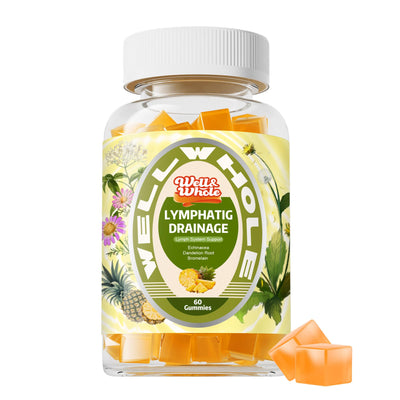
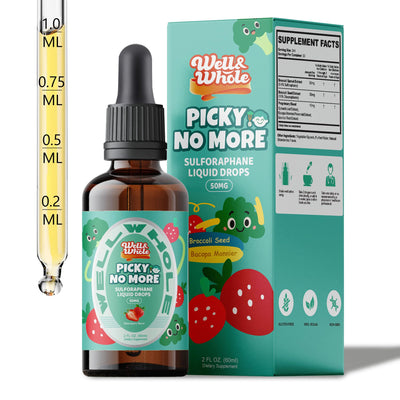
Putting it simply: if this is something you want to add to your routine, our Lymphatic Drainage Supplements Gummies with Echinacea Dandelion Burdock for Adults with Immune and Energy Support and Sulforaphane Broccoli Supplement Liquid Drops for Kids with Sulforaphane, Glucoraphanin, Bacopa Monnieri are a good place to start. The wider Immune Support collection is worth a look, and the Health Benefits range covers related formats.
Looking for a complete routine? See our Selenium.
The role of vitamins and minerals
Micronutrients support normal immune function, energy metabolism, bone health, and countless enzymatic processes. Needs vary by age, diet, and life stage.
A supplement is meant to complement dietary intake from foods such as vegetables, lean proteins, and whole grains.
Who might be interested
Adults with restricted diets, higher needs, or low sun/dietary exposure to certain nutrients often consider targeted supplementation.
Life stages such as pregnancy or aging can shift requirements.
How to choose a quality vitamin or mineral
Look for the nutrient form (e.g., methylated B12, chelated minerals), clear amounts vs. daily value, and third-party testing.
Avoid mega-doses beyond labeled guidance unless advised by a professional.
How it may fit alongside a balanced diet
Think of supplements as a top-up, not a substitute. A varied, nutrient-dense diet remains the foundation.
How to fit vitamins and minerals into a daily routine
Consistency matters more than perfection. Most people do best by attaching a supplement to an existing habit—morning coffee, a post-workout shake, or an evening wind-down—so it becomes automatic rather than another task to remember.
Start with the labeled serving and give it a few weeks of regular use before judging how it fits. Keep a simple note of how your routine feels; that feedback helps you adjust timing or format.
What to look for when reading the label
A transparent label states the active amount per serving, the form of the ingredient, and any third-party testing or quality certifications. Avoid products that hide specifics behind proprietary blends.
Check serving size, other added ingredients, and storage instructions. If anything is unclear, a reputable brand's customer support should answer directly—and a healthcare professional can help you match a product to your needs.
When to check in with a professional
If you are pregnant, nursing, taking medication, or managing a health condition, a quick conversation with a qualified healthcare professional is the safest starting point.
They can help you weigh potential interactions and decide whether a given supplement is appropriate for your individual situation.
A note on consistency and patience
Supplements are rarely a single-event fix. The benefits people notice—steadier energy, smoother recovery, an easier daily routine—tend to accumulate over weeks of regular use. Give any new addition a fair trial before drawing conclusions.
How this fits a broader wellness picture
Most people get the best results when a supplement supports an already reasonable diet, sleep, and activity pattern. Think of it as one input among many, not a substitute for the fundamentals.
This article is for general wellness education and is not intended to diagnose, treat, cure, or prevent any condition. Individual needs vary—always review product labels and consult a qualified healthcare professional before starting any new supplement.
These statements have not been evaluated by the Food and Drug Administration. This product is not intended to diagnose, treat, cure, or prevent any disease.