Rosemary Oil vs Pumpkin Seed Oil for Hair Growth: What Really Works?

Rosemary Oil vs Pumpkin Seed Oil for Hair Growth: What Really Works?
As more people turn to natural ingredients to support healthy hair, two oils keep coming up in conversations: rosemary oil and pumpkin seed oil. Both are popular in hair‑care routines and in nutritional supplements, and both have early research suggesting a potential role in supporting hair thickness and density. For a health‑focused trading company like well&whole, understanding the differences between these oils is essential for choosing the right products and educating customers.
Below, we’ll break down how each oil works, how they compare, and how they can be used together as part of a broader strategy for natural hair growth support.
How Rosemary Oil May Support Hair Growth
Rosemary essential oil has become a star in the natural hair‑care world. It’s often used topically on the scalp, diluted in a carrier oil. The interest in rosemary is not only traditional; some early studies suggest it may support hair density and help reduce hair shedding in certain individuals.
The potential benefits of rosemary oil for hair are thought to come from several mechanisms:
- Scalp micro‑circulation: Rosemary oil is believed to help stimulate blood flow in the scalp when massaged in, which may support the hair follicles’ access to oxygen and nutrients needed for healthier growth.
- Antioxidant support: Rosemary is rich in compounds with antioxidant activity. These may help protect the scalp and hair follicles from oxidative stress, which is often linked to hair thinning and dullness.
- Purifying effect on the scalp: Some people find that rosemary oil helps reduce excess oil and product buildup, promoting a cleaner scalp environment that may be more favorable for hair growth.
When used properly, a rosemary oil scalp treatment typically involves diluting a few drops of essential oil into a carrier oil (such as jojoba, coconut, or sweet almond oil) and massaging it into the scalp for several minutes. Consistency over weeks or months is more important than using a large amount at once.
In summary, rosemary oil is best understood as a topical, scalp‑focused option that may support circulation, scalp health, and potentially hair density over time. It fits well into routines built around scalp massage for hair growth, natural remedies for thinning hair, and non‑drug hair loss support.
How Pumpkin Seed Oil Supports Hair From the Inside
While rosemary oil is usually applied to the scalp, pumpkin seed oil is more often taken orally as a softgel or liquid, although it can also be used externally. This deep‑green oil is naturally rich in essential fatty acids, vitamin E, zinc, and plant compounds known as phytosterols, which may play a role in hair and scalp health.
Key potential benefits of pumpkin seed oil for hair include:
- Hormonal balance support: Some early research suggests that pumpkin seed oil may help modulate the activity of certain enzymes involved in hormone conversion. This is relevant because hormone‑related factors are often associated with male pattern hair thinning and female pattern hair thinning.
- Nutrient support for follicles: The fatty acids and micronutrients found in pumpkin seed oil contribute to overall nutritional status, which is foundational for stronger, thicker‑looking hair.
- Anti‑inflammatory properties: Chronic, low‑grade inflammation in the scalp may contribute to hair shedding in some individuals. Compounds in pumpkin seed oil may help support a healthier inflammatory response.
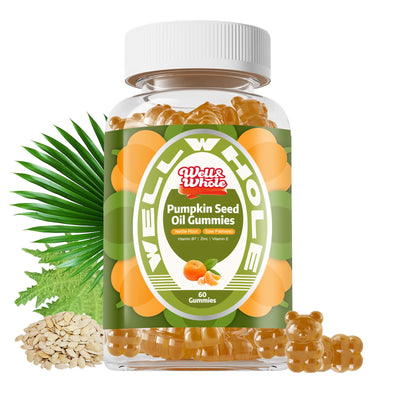
Because pumpkin seed oil is commonly used in dietary supplements for hair growth, companies like well&whole often include it in formulations that combine multiple hair‑supportive nutrients. These might also feature biotin, zinc, or other botanicals to create a more comprehensive hair wellness supplement.
In short, pumpkin seed oil is primarily an internal, nutritional approach to hair support, making it a strong option for people looking to address hair concerns from within through hair growth vitamins and oils, natural DHT support, and nutritional hair loss prevention.
Direct Comparison: Rosemary Oil vs Pumpkin Seed Oil
When comparing rosemary oil vs pumpkin seed oil for hair growth, it helps to remember that they are not direct substitutes; they work in different ways and are used differently.
Application and usage
- Rosemary oil: Typically used topically, diluted in a carrier oil or incorporated into shampoos, conditioners, and scalp serums. Best suited for those who enjoy a hands‑on routine with scalp massage oils and topical hair growth serums.
- Pumpkin seed oil: More often consumed as a softgel or liquid. Ideal for individuals who prefer a simple daily hair growth supplement and want support from within.
Mechanism of action
- Rosemary oil focuses on local scalp effects such as circulation, antioxidant protection, and scalp cleanliness.
- Pumpkin seed oil focuses on internal support, including hormone‑related pathways, nutritional support, and general hair follicle environment.
Who might prefer which?
- Someone with sensitive digestion or who already takes several supplements may prefer to start with a topical approach like rosemary oil.
- Someone who does not have time for regular scalp treatments but wants a low‑effort hair growth routine might lean toward pumpkin seed oil softgels.
Ultimately, the comparison isn’t about choosing a “winner,” but about understanding that one is outside‑in, and the other is inside‑out. For many people, the most effective strategy involves layering both approaches as part of a broader plan that includes balanced nutrition, stress management, and gentle hair‑care practices. This combined approach aligns with a comprehensive holistic hair growth strategy, natural hair restoration plan, and science‑backed hair wellness routine.
How well&whole Views These Ingredients in Real Products
As a health supplement trading company, well&whole pays close attention to how ingredients like rosemary oil and pumpkin seed oil are sourced, formulated, and used in real‑world products. The goal is not just to follow trends, but to offer reliable, consistent quality that supports long‑term customer trust.
When evaluating rosemary oil products, the focus often includes:
- The purity and origin of the essential oil
- Whether it is properly formulated for safe scalp application
- The stability of the oil when combined with other botanicals in a serum or tonic
For pumpkin seed oil supplements, key considerations include:
- Cold‑pressed extraction to help preserve delicate fatty acids
- Appropriate dosages for daily hair support
- Whether the oil is combined with synergistic nutrients for multi‑pathway hair growth support
From a trade and distribution perspective, rosemary oil lends itself to specialized topical hair‑care lines, while pumpkin seed oil fits naturally into nutritional supplement ranges. By offering both types of products, a brand can cater to customers who prefer topical solutions, oral supplements, or a combination of the two.
In practice, well&whole often recommends that partners think in terms of systems rather than single ingredients: for example, a scalp serum featuring rosemary oil combined with a daily softgel containing pumpkin seed oil, integrated into a routine that supports overall wellness, hair thickness, and long‑term hair vitality.
Using Both Oils Together for a Holistic Hair Routine
For many individuals, the most balanced approach is not “rosemary oil or pumpkin seed oil,” but rosemary oil and pumpkin seed oil used together in a structured routine.
A typical combined routine might look like this:
- A nightly scalp massage using a diluted rosemary oil blend, focusing on gentle circular motions for several minutes.
- A daily pumpkin seed oil supplement, taken with food, to support internal nutrient and hormone balance.
- A supportive lifestyle including adequate protein intake, stress management, and gentle hair‑care habits.
This kind of inside‑and‑outside combination recognizes that hair health is influenced by multiple factors. While no single natural ingredient can guarantee dramatic results, using evidence‑inspired botanicals consistently and patiently may help support healthier‑looking, fuller hair over time.
In summary, rosemary oil provides topical scalp support, pumpkin seed oil offers internal nutritional support, and together they can form part of a thoughtful plan for natural hair growth support, non‑pharmaceutical hair care, and preventive hair wellness.
FAQs
-
Can I use rosemary oil and pumpkin seed oil at the same time for hair growth?
Yes. Many people use rosemary oil topically while taking pumpkin seed oil orally. One works on the scalp surface, the other works from within. Always dilute rosemary essential oil before applying and consult a professional if you have underlying conditions. -
How long does it take to see results from these oils?
Hair grows slowly, so visible changes often take at least 2–3 months of consistent use, sometimes longer. Natural options like rosemary oil and pumpkin seed oil are best viewed as long‑term hair support, not quick fixes. -
Are rosemary oil and pumpkin seed oil safe for everyone?
Most healthy adults tolerate these oils well when used correctly, but essential oils can irritate sensitive skin, and supplements may not be suitable for everyone. People who are pregnant, nursing, on medication, or with known allergies should speak with a healthcare professional before starting any hair growth supplement or new scalp treatment.
These statements have not been evaluated by the Food and Drug Administration. This product is not intended to diagnose, treat, cure, or prevent any disease.