Rosemary and Pumpkin Seed Oil for Hair Growth: What Actually Works?

Rosemary and Pumpkin Seed Oil for Hair Growth: What Actually Works?
As more people look for natural options to support hair health, rosemary oil and pumpkin seed oil keep coming up in conversations with dermatologists, trichologists, and wellness brands. At well&whole, a health supplement trading company, we see growing interest from customers who want plant-based solutions that fit into a realistic routine, not miracle claims. This article looks at how these two oils may support hair growth, what the science suggests, and how you can use them safely and consistently.
How Rosemary Oil May Support Hair Growth
Rosemary oil has a long history in traditional wellness for circulation and scalp care. Modern research is still developing, but several ideas help explain why many people use rosemary essential oil for hair growth:
- It may help stimulate blood flow to the scalp, bringing more oxygen and nutrients to hair follicles.
- It shows antioxidant properties, which can help protect the follicle environment from oxidative stress.
- Some early studies suggest it could support a healthier hair growth cycle, especially where the scalp is under mild inflammatory stress.
When people talk about rosemary oil for thinning hair, they often refer to its potential to maintain a healthier scalp rather than regrowing hair overnight. Consistent scalp care can matter just as much as what you swallow, especially if your hair issues are linked to dryness, buildup, or minor irritation.
To use rosemary oil safely, it should usually be diluted in a carrier oil, such as jojoba or grapeseed, before being massaged into the scalp. Undiluted essential oils can be too strong and may cause irritation. Many users apply a few drops of diluted rosemary oil several times a week and leave it on for at least 30–60 minutes before washing.
Section summary: Rosemary oil may support circulation and scalp health, offering a gentle, natural option for people exploring natural remedies for hair regrowth and rosemary essential oil for hair loss. It works best as part of a consistent routine rather than a quick fix.
Pumpkin Seed Oil: A Nutrient-Dense Ally for Hair
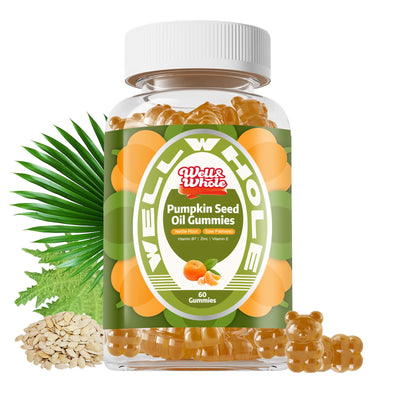
Pumpkin seed oil is rich in nutrients such as zinc, vitamin E, and plant sterols. This has led to interest in pumpkin seed oil for hair growth, both as a topical oil and as a dietary supplement.
Potential benefits include:
- Nutrient support: Pumpkin seed oil provides fatty acids and antioxidant compounds that may help nourish the scalp and support overall hair quality.
- Hormonal balance support: Some research suggests pumpkin seed oil may influence certain pathways related to hormone metabolism in the scalp environment, which could be relevant for pattern-related thinning.
- Moisture and scalp barrier: Used topically, it can help maintain moisture on the scalp and along the hair shaft, especially useful for dry, brittle hair.
When it comes to pumpkin seed oil supplements for hair growth, users often take softgels or liquid oil as part of their daily routine. As a trading company, well&whole works with manufacturers that focus on quality control, stable sourcing, and clear labeling, because consistency is essential when you are using a supplement over months, not days.
Section summary: Pumpkin seed oil offers internal and external support with its nutrient profile, making it a promising part of a natural hair growth supplement routine and a practical choice for those exploring pumpkin seed oil capsules for hair thinning.
Why Combining Rosemary and Pumpkin Seed Oil May Be More Effective
On their own, both oils have potential benefits. Together, they may form a more holistic approach for people aiming to support hair health naturally. The key idea is complementary action:
- Rosemary oil focuses more on scalp stimulation, circulation, and creating a fresher, cleaner environment around the follicles.
- Pumpkin seed oil focuses more on nourishment, protective antioxidants, and, in some cases, internal support through supplementation.
By combining rosemary oil and pumpkin seed oil for hair loss prevention, users may cover both external care and internal nutritional support. For example:
- A diluted rosemary oil blend massaged into the scalp 2–3 times a week to encourage circulation.
- A daily pumpkin seed oil supplement, chosen from a reputable brand, to provide steady nutrient support and possible hormonal pathway benefits.
- A light application of pumpkin seed oil to mid-lengths and ends of the hair to reduce dryness and improve texture.
This combined approach may be particularly interesting if you are dealing with early signs of thinning, seasonal shedding, or increased breakage due to styling and environmental stress. However, expectations matter: even the best natural hair loss treatment for women and men works gradually and is part of broader lifestyle and nutritional strategies.
Section summary: Using rosemary and pumpkin seed oil together can support both the scalp surface and the internal environment, forming a realistic, multi-angle strategy for those exploring natural hair growth oils for thinning hair and non-drug hair growth alternatives.
How to Use These Oils Safely in Your Routine
Safety and consistency are more important than trying every trend at once. For people interested in rosemary and pumpkin seed oil, a simple, structured routine might look like this:
-
Patch test first
Apply a small amount of diluted rosemary oil and pumpkin seed oil on the inner arm or behind the ear. Wait 24 hours to check for redness, itching, or discomfort. Any sign of irritation means you should stop and consult a professional. -
Dilute essential oils properly
Rosemary is a concentrated essential oil. A common guideline is a 1–2% dilution in a carrier oil. That is roughly 3–6 drops of rosemary essential oil per 10 ml of carrier oil. This helps lower the risk of scalp irritation while still providing stimulation. -
Be patient with results
Hair grows slowly, and even effective routines may need 3–6 months of consistent use to show visible change. Track your progress with photos instead of relying only on memory or daily mirror checks. -
Combine with broader lifestyle habits
Adequate protein, micronutrients, stress management, and good sleep all influence hair. Oils can support the system, but they do not replace a balanced lifestyle or medical treatment if needed.
Section summary: A careful, gradual approach—with patch testing, proper dilution, and realistic timelines—helps you get the most from rosemary and pumpkin seed oil scalp treatments and safe essential oil hair growth routines while minimizing the risk of irritation or disappointment.
How well&whole Fits into a Natural Hair Support Strategy
As a trading company focused on health supplements, well&whole does not only watch ingredient trends; we pay attention to quality, supply-chain transparency, and how real people use products in their daily lives. When it comes to hair health solutions based on rosemary and pumpkin seed oil, we see a few priorities:
- Quality sourcing: Oils should come from reputable producers using clean extraction methods, with batch testing for purity and stability.
- Clear formulation: Whether in capsules or blended scalp oils, labels should be transparent about dosages and supporting ingredients.
- Practical use: Products must be easy to integrate into routines—softgels that are simple to take daily, or scalp oils that are not overly heavy or strongly scented.
Instead of promising instant transformation, we see our role as helping retailers and end consumers access evidence-informed, natural hair growth supplements that can be used over the long term. For many customers, rosemary and pumpkin seed oil are most effective when combined with other supportive nutrients like biotin, zinc, or collagen, depending on individual needs and professional advice.
Section summary: well&whole focuses on reliable, well-sourced formulations so that consumers who choose rosemary and pumpkin seed oil hair supplements and broader holistic hair wellness products can do so with more confidence and long-term consistency.
FAQ
-
How long does it take to see results from rosemary and pumpkin seed oil for hair growth?
Most people need at least 3–6 months of consistent use to notice visible changes in density or thickness. Hair growth is slow, and natural options typically work gradually rather than dramatically. -
Can I use rosemary oil and pumpkin seed oil together on my scalp?
Yes, many people combine them. Usually, rosemary essential oil is diluted in a carrier oil, and pumpkin seed oil can be part of that carrier blend. Always patch test first and stop if you notice irritation. -
Are these oils enough if I have significant hair loss or medical scalp conditions?
They may offer supportive benefits, but they are not a substitute for medical diagnosis or treatment. If you notice rapid shedding, bald patches, or scalp pain, consult a dermatologist or healthcare professional before relying on any natural hair growth oil routine.
These statements have not been evaluated by the Food and Drug Administration. This product is not intended to diagnose, treat, cure, or prevent any disease.