Resveratrol: The Red Wine Compound and Its Role in Healthy Aging
Learn about resveratrol, the polyphenol found in red wine and grapes, and how it may support heart health, longevity, and cellular function.

Resveratrol first captured public attention in the early 1990s when researchers wondered whether red wine could explain the "French Paradox" — the observation that French populations had relatively low rates of heart disease despite a diet rich in saturated fats.
Key Takeaways
- This topic covers general wellness considerations relevant to everyday supplement choices.
- Quality, consistency, and a balanced diet matter more than any single product.
- Review labels and consult a healthcare professional before starting something new.
Since then, resveratrol has become one of the most studied anti-aging compounds in the world. Found in grapes, red wine, peanuts, and berries, this polyphenol is praised for its antioxidant and anti-inflammatory properties.
This article explores what resveratrol is, how it works, what the research shows, and whether a resveratrol supplement deserves a place in your longevity routine.
What Is Resveratrol?
Resveratrol is a natural polyphenol and phytoalexin — a compound plants produce in response to stress, injury, or fungal infection. In humans, it has been studied for its potential effects on aging, metabolism, cardiovascular health, and inflammation.
There are two main forms:
· **Trans-resveratrol**: The active, more bioavailable form.
· **Cis-resveratrol**: Less active and less stable.
High-quality supplements typically list trans-resveratrol content on the label.
Dietary Sources of Resveratrol
Resveratrol is found in small amounts in several foods:
To reach the doses used in studies, you would need to drink an impractical amount of red wine. This is why many people turn to supplements.
How Resveratrol Works
Resveratrol is believed to work through several mechanisms:
1. Sirtuin Activation
Resveratrol may activate SIRT1, a longevity-associated protein that regulates metabolism, DNA repair, and stress resistance. This is the same pathway targeted by NAD+ boosters.
2. Antioxidant Effects
As a polyphenol, resveratrol helps neutralize free radicals and reduce oxidative stress, a key contributor to aging.
3. Anti-Inflammatory Activity
Resveratrol may inhibit NF-kB and other inflammatory signaling pathways, helping to modulate chronic inflammation.
4. AMPK Activation
Resveratrol may activate AMP-activated protein kinase (AMPK), an enzyme that regulates energy metabolism and cellular recycling.
5. Blood Vessel Support
Resveratrol may support nitric oxide production, which helps blood vessels relax and maintain healthy circulation.
What the Research Says
Animal and Cell Studies
Early research on resveratrol was highly promising. In studies on yeast, worms, flies, and mice, resveratrol extended lifespan in some models and improved markers of metabolic health. In obese mice, it improved insulin sensitivity and exercise performance.
Human Studies
Human results have been more mixed. Some studies suggest benefits for:
· Blood pressure regulation
· Insulin sensitivity
· Inflammatory markers
· Cognitive function
· Skin aging
However, other trials have found limited effects, partly because resveratrol has low bioavailability. Combining it with compounds like piperine (black pepper extract) may improve absorption.
Potential Benefits of Resveratrol
Based on the available evidence, resveratrol may support:
1. **Cardiovascular health**: By promoting healthy blood vessel function.
2. **Healthy aging**: Through sirtuin activation and antioxidant effects.
3. **Metabolic function**: Possible support for insulin sensitivity and glucose metabolism.
4. **Cognitive health**: Early research suggests neuroprotective potential.
5. **Skin health**: Topical and oral resveratrol may support collagen and reduce signs of aging.
Resveratrol is not a treatment for any disease, but it may support overall wellness as part of a healthy lifestyle.
Resveratrol Dosage and Bioavailability
Most human studies have used doses ranging from 150 mg to 1000 mg per day. However, resveratrol is poorly absorbed on its own. Strategies to improve absorption include:
· Taking it with a source of fat
· Choosing trans-resveratrol forms
· Products combined with piperine or other absorption enhancers
Safety and Side Effects
Resveratrol is generally recognized as safe at moderate doses. Side effects are uncommon but may include:
· Digestive upset
· Diarrhea
· Headache
· Insomnia
Drug Interactions
Resveratrol may interact with:
· Blood thinners like warfarin
· Blood pressure medications
· NSAIDs
· Certain cancer drugs
People taking medications should consult a healthcare provider before using resveratrol.
FAQ
What is resveratrol?
Resveratrol is a polyphenol found in grapes, red wine, and berries. It's studied for its potential antioxidant, anti-inflammatory, and longevity-supporting effects.
Does drinking red wine provide enough resveratrol?
No. Red wine contains only small amounts. You would need to drink excessive amounts to reach therapeutic doses.
What is trans-resveratrol?
Trans-resveratrol is the active, more bioavailable form of resveratrol. Look for it on supplement labels.
Can resveratrol help you live longer?
No supplement can guarantee longevity. Resveratrol may support healthy aging through its effects on sirtuins, inflammation, and oxidative stress.
How should I take resveratrol?
Take it with food, ideally a meal containing fat, to improve absorption. Many people take it in the morning.
Does resveratrol interact with medications?
Yes. It can interact with blood thinners, blood pressure drugs, and NSAIDs. Consult a healthcare provider if you take medications.
Is resveratrol safe during pregnancy?
Pregnant and breastfeeding women should avoid resveratrol supplements unless directed by a healthcare provider.
What dose of resveratrol should I take?
Common doses range from 150 mg to 1000 mg per day. Start with a lower dose and adjust based on response.
Conclusion
Resveratrol remains one of the most intriguing compounds in longevity research. While human evidence is still developing, its effects on sirtuins, inflammation, and cardiovascular health make it a popular choice for those pursuing healthy aging.
For best results, pair resveratrol with an active lifestyle, nutrient-dense diet, and adequate sleep. well&whole offers trans-resveratrol supplements that pair well with NAD+ boosters like NMN for a comprehensive longevity stack.
Related supplements
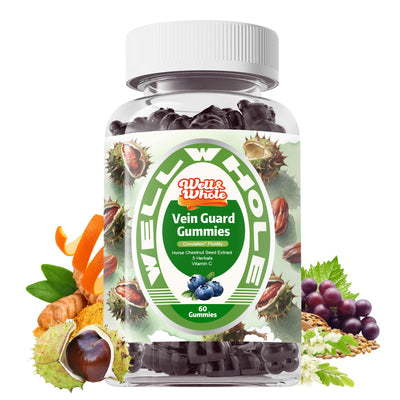
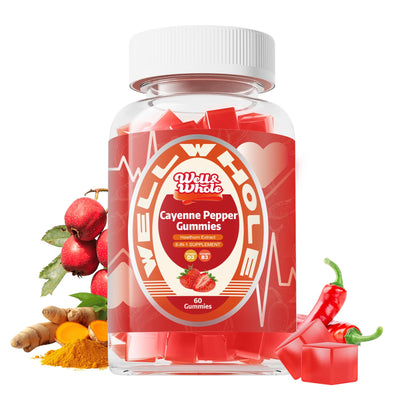
If you're ready to put this into practice, our well&whole Horse Chestnut Extract Gummies, Circulation Supplements for Legs and Cayenne Pepper Heart Health Gummies with Hawthorn & CoQ10 & Turmeric are formulated with this in mind. You can also compare the Heart Health and CoQ10 ranges to find the format that suits you.
How to think about this topic
Wellness topics are most useful when viewed as part of an overall lifestyle—diet, sleep, movement, and stress management all interact and reinforce one another.
A targeted supplement can support a specific goal, but it works best within that broader picture rather than as a standalone fix.
Approaching wellness as a stack of small, sustainable habits tends to produce steadier results than abrupt, all-or-nothing changes.
Who might be interested
Adults building a more intentional wellness routine often explore the relevant nutrient or ingredient as one piece of that routine.
Individual needs vary by age, diet, activity level, and health status, so personalized guidance from a professional is valuable.
How to choose a quality product
Prioritize third-party testing, transparent labeling of active amounts, and reputable sourcing over marketing claims.
Pick a format you will use consistently, and stay within labeled servings—more is not automatically better.
How it may fit alongside a balanced diet
Supplements complement, not replace, a varied diet built on vegetables, lean proteins, whole grains, and healthy fats.
Think of them as a top-up for gaps in an already reasonable diet, not a substitute for one.
Small habits that compound
Lasting results usually come from repeatable routines: a consistent sleep schedule, regular movement, hydration, and mindful eating.
Layering a single well-chosen supplement onto those habits is far more effective than relying on the supplement alone.
This article is for general wellness education and is not intended to diagnose, treat, cure, or prevent any condition. Individual needs vary—always review product labels and consult a qualified healthcare professional before starting any new supplement.
These statements have not been evaluated by the Food and Drug Administration. This product is not intended to diagnose, treat, cure, or prevent any disease.