Red Yeast Rice Safety: What You Must Know Before Taking
Red yeast rice safety explained. Learn about side effects, interactions, dosing, and who should avoid red yeast rice supplements before you start.

Red yeast rice is one of the most widely studied natural supplements for cholesterol support. Used in traditional Chinese medicine for over a thousand years, it contains naturally occurring compounds called monacolins—most notably monacolin K, which is structurally identical to the active ingredient in certain prescription cholesterol medications.
This dual identity as both a traditional food and a biologically active supplement means that red yeast rice deserves careful consideration. While many people use it successfully to support healthy cholesterol levels, it is not appropriate for everyone. This guide covers everything you need to know about red yeast rice safety before adding it to your supplement routine.
How Red Yeast Rice Works
Red yeast rice is produced by fermenting rice with the yeast *Monascus purpureus*. During fermentation, the yeast produces several bioactive compounds, including monacolins. Monacolin K works by inhibiting HMG-CoA reductase, an enzyme involved in cholesterol synthesis in the liver—the same mechanism used by certain prescription statin medications.
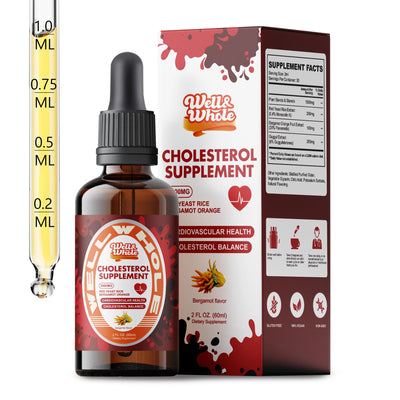
well&whole Cholesterol Support Liquid Drops combine red yeast rice with plant sterols, which work through a different mechanism—blocking cholesterol absorption in the digestive tract—for a complementary approach.

General Safety Profile
What the Research Shows
Red yeast rice has been the subject of numerous clinical trials. A meta-analysis published in the *Annals of Internal Medicine* reviewed 93 randomized controlled trials involving over 9,600 participants and concluded that red yeast rice was generally well-tolerated, with adverse event rates similar to placebo in most studies.
However, because monacolin K is biologically active, red yeast rice carries some of the same considerations as prescription statins. Understanding these considerations is essential for safe use.
Potential Side Effects
Most Common Side Effects
The most frequently reported side effects of red yeast rice include:
1. **Digestive discomfort**: Mild stomach upset, bloating, gas, or changes in bowel habits. These effects are typically mild and may resolve as the body adjusts.
2. **Headache**: Some users report mild headaches, particularly in the first few weeks of use.
3. **Dizziness**: Occasional and typically mild.
4. **Muscle aches**: Because monacolin K works similarly to statins, some individuals may experience muscle discomfort (myalgia). A study in the *European Journal of Preventive Cardiology* found that muscle-related side effects with red yeast rice were less common than with prescription statins but still possible.
Less Common but Important Side Effects
- **Liver enzyme elevation**: Red yeast rice may affect liver enzymes in some individuals. This is why monitoring is important (see below).
- **Allergic reactions**: Rare, but possible. Discontinue use and seek medical attention if you experience rash, itching, swelling, or difficulty breathing.
Managing Side Effects
If you experience mild side effects, these strategies may help:
- Take with food to reduce digestive discomfort
- Start with a lower dose and gradually increase
- Stay well-hydrated
- If side effects persist or worsen, discontinue use and consult your healthcare provider
Who Should Not Take Red Yeast Rice
Certain individuals should avoid red yeast rice or use it only under medical supervision:
People Taking Statin Medications
Because monacolin K works through the same pathway as statin medications, combining the two may increase the risk of side effects, particularly muscle-related problems. If you are currently taking a prescription statin (such as atorvastatin, simvastatin, or rosuvastatin), do not take red yeast rice without consulting your healthcare provider.
Pregnant and Breastfeeding Women
The safety of red yeast rice during pregnancy and breastfeeding has not been established. Cholesterol is essential for fetal development, and interfering with cholesterol synthesis during pregnancy could be harmful. Avoid red yeast rice if you are pregnant, planning to become pregnant, or breastfeeding.
People with Liver Disease
Because monacolin K is metabolized by the liver, individuals with liver disease or elevated liver enzymes should avoid red yeast rice unless specifically advised by their healthcare provider. Conditions such as hepatitis, cirrhosis, or unexplained elevated liver enzymes warrant caution.
People with Kidney Disease
Kidney impairment may increase the risk of muscle-related side effects. If you have kidney disease, consult your healthcare provider before using red yeast rice.
People Taking Certain Medications
Red yeast rice may interact with several medications:
| Medication Type | Potential Interaction |
|---|---|
| Statins | Additive effect; increased side effect risk |
| Fibrates (gemfibrozil, fenofibrate) | Increased risk of muscle problems |
| Cyclosporine | May increase monacolin K blood levels |
| Antifungals (azole class) | May interact with cholesterol metabolism |
| Macrolide antibiotics (erythromycin, clarithromycin) | May increase monacolin K levels |
| Warfarin and anticoagulants | May affect blood clotting |
Always provide your healthcare provider with a complete list of medications and supplements you take.
The Citrinin Concern: Quality Matters
One safety issue specific to red yeast rice is the potential contamination with citrinin, a naturally occurring mycotoxin that can be produced during fermentation if conditions are not carefully controlled. Citrinin has been associated with kidney concerns in animal studies.
Reputable supplement manufacturers test their red yeast rice products for citrinin and ensure levels are below safe thresholds. When choosing a red yeast rice supplement:
- Select products from reputable manufacturers
- Look for products that are tested for purity and potency
- Contact the manufacturer if you have questions about their quality testing
Monitoring While Taking Red Yeast Rice
If you and your healthcare provider decide that red yeast rice is appropriate for you, consider the following monitoring practices:
1. **Baseline blood work**: Before starting, get a baseline lipid panel and liver function test (ALT, AST).
2. **Follow-up testing**: Recheck lipids and liver enzymes after 8–12 weeks of use.
3. **Symptom monitoring**: Pay attention to unexplained muscle aches, persistent fatigue, or digestive issues.
4. **Regular check-ins**: Keep your healthcare provider informed about your supplement use at every visit.
Dosing Considerations
How Much to Take
Follow the dosage instructions on the product label and your healthcare provider's guidance. The typical recommendation for red yeast rice supplements varies by product concentration and formulation.
well&whole Cholesterol Support Liquid Drops offer a liquid format that allows for flexible dosing and easy absorption. Liquid drops can be particularly beneficial for individuals who prefer to start with a lower dose and adjust gradually.

Timing
Red yeast rice is generally taken with meals. Taking it in the evening may be optimal, since cholesterol synthesis in the liver tends to be higher at night. However, the most important factor is consistency—take it at the same time each day.
Red Yeast Rice vs. Statins: Understanding the Difference
| Feature | Red Yeast Rice | Prescription Statins |
|---|---|---|
| Active compound | Monacolin K (naturally occurring) | Synthetic statin compounds |
| Standardization | Varies by product | Precisely standardized |
| Regulation | Dietary supplement | FDA-approved medication |
| Side effect profile | Generally milder, but similar | Well-characterized |
| Cost | Typically lower | Varies; some generic options affordable |
| Monitoring | Recommended | Standard protocol |
Red yeast rice is not a replacement for prescription medications. If your healthcare provider has prescribed a statin, do not replace it with red yeast rice without discussing it first.
FAQ
Q: Is red yeast rice a natural statin?
A: Red yeast rice contains monacolin K, which works through the same mechanism as certain statin medications. However, it is a dietary supplement, not a medication. It should not be used as a substitute for prescribed statins without medical guidance.
Q: Can I drink grapefruit juice while taking red yeast rice?
A: Grapefruit juice can affect the metabolism of certain statin medications. While this interaction is less studied with red yeast rice, it's prudent to limit grapefruit juice intake. Consult your healthcare provider for personalized advice.
Q: How long can I safely take red yeast rice?
A: Red yeast rice has been studied in trials lasting from 4 weeks to over 4 years. Long-term use appears to be safe for most people when monitored appropriately. Regular check-ins with your healthcare provider are recommended.
Q: Can red yeast rice cause muscle damage?
A: In rare cases, monacolin K may cause muscle-related side effects. Severe muscle damage (rhabdomyolysis) is very rare but has been reported. If you experience severe muscle pain, weakness, or dark-colored urine, discontinue use and seek medical attention immediately.
Q: Should I take CoQ10 with red yeast rice?
A: Some healthcare providers recommend CoQ10 alongside any supplement or medication that inhibits cholesterol synthesis, as this pathway also reduces natural CoQ10 production. Discuss this with your healthcare provider.
Q: Does cooking destroy the active compounds in red yeast rice?
A: Red yeast rice used in cooking (such as in red yeast rice wine or Peking duck) contains much lower concentrations of monacolins than supplement forms. The fermentation process, not cooking, determines monacolin content.
Q: Can I take red yeast rice with plant sterols?
A: Yes. Red yeast rice and plant sterols work through different mechanisms—red yeast rice supports cholesterol metabolism while plant sterols reduce cholesterol absorption. This is why well&whole combines both in its Cholesterol Support Liquid Drops.
Q: What should I do if I miss a dose?
A: Simply take your next dose at the regular time. Do not double up to make up for a missed dose.
Conclusion
Red yeast rice is a well-studied natural supplement that may support healthy cholesterol levels, but it requires the same respect and caution as any biologically active compound. Understanding potential side effects, interactions, and contraindications is essential for safe use.
If you're considering red yeast rice, start by having an honest conversation with your healthcare provider. Share your complete medication list, get baseline blood work, and commit to regular monitoring. well&whole Cholesterol Support Liquid Drops combine red yeast rice with plant sterols in a flexible liquid format—offering a complementary approach to cholesterol support.

Your cardiovascular health deserves a thoughtful, informed approach. Take the time to understand what you're putting in your body, and work with a healthcare professional to find the strategy that's right for you.
Related supplements
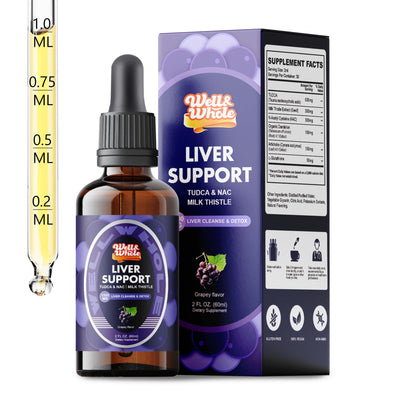
If you're ready to put this into practice, our Liver Support Liquid Drops Supplement | TUDCA Drops Liver Cleanse & Detox with Milk Thistle, NAC, Dandelion, Artichoke & Glutathione for Detox and TUDCA 1000mg Gummies with Milk Thistle 500mg for Adults are formulated with this in mind. You can also compare the Liver Support and Milk Thistle ranges to find the format that suits you.
These statements have not been evaluated by the Food and Drug Administration. This product is not intended to diagnose, treat, cure, or prevent any disease.