Red Yeast Rice Benefits for Cholesterol Safety and Side Effects
Discover red yeast rice benefits science backed cholesterol support side effects dosage safety and natural statin alternatives

Managing your cholesterol can feel like a high-stakes balancing act—especially if you're trying to avoid prescription drugs.
If you've been looking for a natural way to protect your heart, you've likely cross-referenced a dozen cardiovascular health supplements.
That's where red yeast rice comes in.
Often dubbed a natural statin alternative, this traditional remedy has caught the attention of modern science for its ability to target LDL cholesterol-lowering pathways directly. But does it actually work, and is it a safe option for your body?
In this guide, we’re going to break down the real science behind red yeast rice benefits, compare it directly to prescription options, and look at the crucial safety steps you need to take before buying.
Let's dive right in.
What Exactly is Red Yeast Rice?
If you are looking into natural statin alternatives, you have likely crossed paths with red yeast rice. It is one of the most popular cardiovascular health supplements on the US market today, but it is often misunderstood. It isn't just a basic dietary supplement; it is a culturally rich, scientifically potent compound that bridges the gap between ancient tradition and modern pharmacology.
Traditional Chinese Medicine Roots
Long before it became a staple on American pharmacy shelves, red yeast rice extract (RYRE) was a cornerstone of Traditional Chinese Medicine (TCM). For over a thousand years, it served a dual purpose in East Asia:
- Culinary Staple: Used as a natural food coloring and preservative for meats and savory dishes.
- Vascular Remedy: Prescribed by ancient healers to invigorate blood circulation, soothe digestive issues, and promote overall heart health.
The Fermentation Process
Red yeast rice does not grow out of the ground looking red. It is a fermented rice supplement created through a precise, controlled biological process.
Standard white rice undergoes fermentation with a specific mold strain called Monascus purpureus. As the yeast consumes the starches in the rice, it undergoes a chemical transformation, turning the grains a deep, vibrant crimson. This fermentation process shifts the rice from a simple carbohydrate into a medicinal powerhouse packed with specialized secondary metabolites.
Monacolin K: The Active Compound
The real secret behind the health benefits of red yeast rice lies in its chemical makeup. During fermentation, the yeast produces a cluster of compounds called monacolins. The most crucial of these is Monacolin K.
The Chemical Blueprint: Monacolin K shares an identical chemical structure with lovastatin, a widely prescribed pharmaceutical statin drug.
Because it targets the body's cholesterol production pathway exactly like a prescription medication, red yeast rice for cholesterol management has become a go-to option for individuals seeking a more natural route to support their lipid profiles.
The Core Health Benefits of Red Yeast Rice

Drastic Reduction in LDL ("Bad") Cholesterol
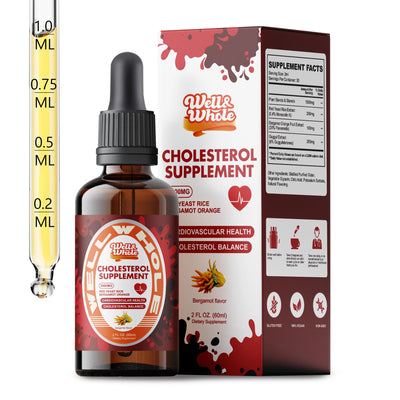
Red yeast rice for cholesterol management is one of the most effective natural approaches available today. The secret lies in Monacolin K, a naturally occurring compound that directly targets the liver. By inhibiting the HMG-CoA reductase enzyme—the main trigger for cholesterol production—this fermented rice supplement effectively halts the creation of unwanted fats. Clinical data shows that consistent use can lower LDL cholesterol by 15% to 30% within just 8 weeks, providing a powerful tool for total cholesterol reduction. Because your liver handles the bulk of this process, supporting it with targeted cholesterol support liquid drops can further optimize your cardiovascular routine.
Comprehensive Cardiovascular and Circulatory Support
Beyond managing numbers on a lab report, red yeast rice extract (RYRE) delivers comprehensive structural support to your entire circulatory system. It actively improves endothelial function, which keeps your blood vessel walls flexible, relaxed, and highly resilient. This increased elasticity boosts overall blood flow and significantly reduces the risk of arterial plaque buildup, keeping your pathways clear.
Managing Metabolic Syndrome Risk Factors
The benefits of this traditional remedy extend into metabolic health. Emerging evidence links regular RYR use to better blood sugar balance and enhanced insulin sensitivity. By helping stabilize these metabolic markers, it assists in weight management and tackles the root clusters of metabolic syndrome that impact millions of Americans.
Combating Chronic Inflammation
Chronic inflammation is a silent driver of vascular damage. Red yeast rice boasts a robust antioxidant profile that neutralizes free radicals and calms systemic inflammation. Studies highlight its ability to reduce oxidative stress markers by up to 20%, shielding your blood vessels from long-term wear and tear.
Core Benefits at a Glance
| Health Marker | Primary Mechanism | Expected Impact (6–8 Weeks) |
|---|---|---|
| LDL Cholesterol | Inhibits liver HMG-CoA reductase enzyme | 15% to 30% reduction |
| Vascular Flexibility | Boosts endothelial nitric oxide production | Improved blood flow & less plaque |
| Metabolic Health | Enhances insulin sensitivity pathways | Better blood sugar balance |
| Inflammation | Lowers oxidative stress biomarkers | Up to 20% reduction in markers |
Red Yeast Rice vs. Prescription Statins: What's the Real Difference?
When looking at red yeast rice benefits, the biggest talking point is always how it stacks up against prescription cholesterol medications. While they share a similar biological pathway, the experience of taking them can be completely different.
The Mechanism Matrix
Here is how natural red yeast rice extract compares directly to prescription statins:
| Feature | Red Yeast Rice (RYR) | Prescription Statins (e.g., Lovastatin) |
|---|---|---|
| Active Ingredient | Monacolin K + secondary monacolins & sterols | Isolated, high-dose Lovastatin synthetic compound |
| Regulation | Dietary Supplement (FDA regulated for safety, not efficacy) | Prescription Drug (Strict FDA approval and oversight) |
| Average Cost | Generally low, over-the-counter | Varies; requires insurance or ongoing copays |
| Tolerance Level | High; gentler on muscles and liver for most users | Moderate; higher risk of side effects at therapeutic doses |
The Statin-Intolerance Solution
One of the primary reasons people switch to natural statin alternatives is to avoid statin-associated myalgia (muscle pain and weakness). High-dose pharmaceutical statins can block the body's natural production of cellular energy, leading to deep muscle aches.
Because red yeast rice provides a lower, naturally occurring dose of Monacolin K, it is often a highly effective statin-associated myalgia alternative. We find that individuals who struggle with the harsh side effects of prescription drugs can often tolerate a premium fermented rice supplement seamlessly without sacrificing their cholesterol-lowering goals.
The Synergy Principle
You might wonder how a lower dose of Monacolin K in red yeast rice can deliver such a powerful total cholesterol reduction. The secret lies in nature's chemistry.
Red yeast rice isn't just a single isolated chemical. It contains a complex matrix of:
- Secondary monacolins
- Phytosterols (plant compounds that block cholesterol absorption)
- Isoflavones and healthy fatty acids
These compounds work together synergistically. This means they boost each other's effectiveness, allowing a smaller amount of the active ingredient to achieve comparable LDL cholesterol-lowering supplement results without overloading your system.
The Hidden Risks: Red Yeast Rice Side Effects and the Citrinin Danger
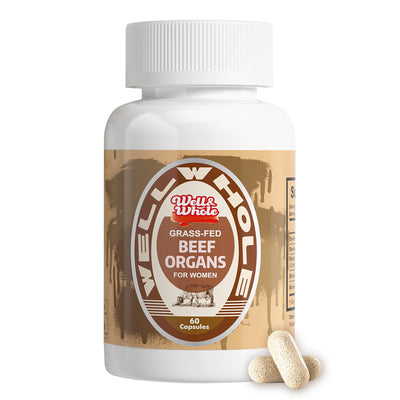
While the benefits of red yeast rice for cholesterol management are impressive, it is a potent supplement that demands respect. Because it behaves like a natural statin alternative, it carries a similar side effect profile. Some users experience mild gastrointestinal upset, muscle aches (myalgia), or a temporary rise in liver enzymes. Monitoring your liver function and red yeast rice intake with a doctor is a smart move if you are prone to hepatic sensitivity. Supporting your vital organs with clean, targeted nutrients—like those found in a high-quality grass-fed beef organ supplement—can also be a beneficial part of a broader wellness routine.
The Unregulated Supplement Wild West
The supplement market in the United States isn't tightly controlled like prescription drugs. Independent testing has revealed a massive "wild west" discrepancy among consumer brands. In fact, studies found up to a 100-fold difference in active Monacolin K from one bottle to the next. Some products contain almost no active compound, while others contain enough to mimic a high-dose prescription drug, making consistent dosing a major challenge.
What is Citrinin?
During the fermentation of Monascus purpureus yeast, a toxic byproduct called citrinin can form if the manufacturing process isn't strictly controlled.
- The Risk: Citrinin is a known mycotoxin that can cause severe kidney damage over time.
- The Solution: Always look for labels explicitly marked as citrinin-free red yeast rice to ensure the batch has been rigorously screened for contaminants.
Crucial Drug Interactions
Because red yeast rice extract (RYRE) works through the same pathways as prescription pharmaceuticals, it can cause dangerous interactions if misused.
- Prescription Statins: Never mix red yeast rice with drugs like atorvastatin or lovastatin. This doubles your dose and spikes your risk for severe muscle breakdown.
- Grapefruit Juice: Grapefruit contains compounds that block the enzymes meant to break down Monacolin K, causing the supplement to build up to toxic levels in your bloodstream.
- Heavy Alcohol Use: Both alcohol and active fermented rice supplements stress the liver, so combining them increases the risk of liver damage.
Red Yeast Rice Dosage and Buyer’s Guide
Standard Clinical Dosage
To get the most out of red yeast rice benefits, you need to hit the right daily amount. Clinical studies show that the typical effective red yeast rice dosage ranges from 1,200 mg to 2,400 mg daily. For the best results, take your supplement in the evening. Your liver produces the majority of its cholesterol while you sleep, making nighttime dosing much more effective at managing your levels.
The Golden Pairing: CoQ10 and Red Yeast Rice
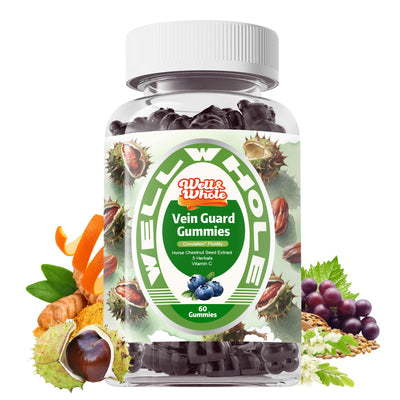
If you decide to add a fermented rice supplement to your routine, you should almost always pair it with Coenzyme Q10 (CoQ10). Because the active compounds in red yeast rice block the same metabolic pathway as prescription statins, they also unintentionally deplete your body's natural stores of CoQ10. Taking 100 mg to 200 mg of CoQ10 daily alongside your red yeast rice is the best way to prevent muscle fatigue, deep aches, and general sluggishness. Maintaining strong circulatory health is a full-body effort, which is why many people also incorporate targeted options like horse chestnut extract gummies for leg circulation to keep blood moving smoothly from head to toe.
The Smart Buyer's Checklist
The supplement market can feel like the Wild West, but you can protect your health by staying selective. When shopping for red yeast rice extract (RYRE), use this strict checklist before buying:
- Third-Party Testing: Only buy bottles that feature a seal from independent testers like USP, NSF International, or ConsumerLab. This guarantees that what is on the label is actually what is in the capsule.
- Citrinin-Free Guarantee: Look for explicit packaging labels that state the product is "Citrinin-Free." This ensures the batch has been screened for dangerous fermentation byproducts that cause kidney strain.
- No Proprietary Blends: Avoid brands that hide their ingredient amounts under a generic "blend" label. You need to know exactly how many milligrams of the actual extract you are taking every single day.
Related supplements
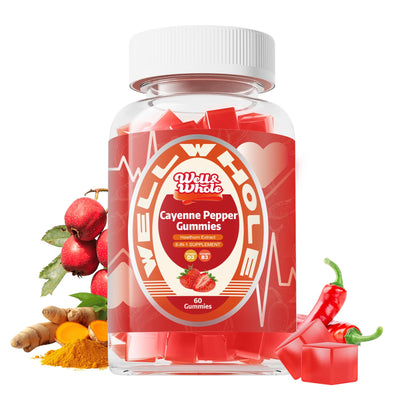
Putting it simply: if this is something you want to add to your routine, our Well&Whole Horse Chestnut Extract Gummies, Circulation Supplements for Legs and Cayenne Pepper Heart Health Gummies with Hawthorn & CoQ10 & Turmeric are a good place to start. The wider Heart Health collection is worth a look, and the CoQ10 range covers related formats.
These statements have not been evaluated by the Food and Drug Administration. This product is not intended to diagnose, treat, cure, or prevent any disease.