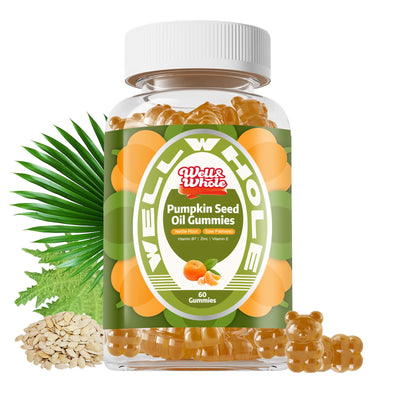
pumpkin seed oil for hair growth

Pumpkin Seed Oil for Stronger, Fuller Hair
For anyone dealing with thinning hair, a receding hairline, or simply dull strands that lack shine, natural options like pumpkin seed oil for hair growth are getting more attention. Instead of reaching first for harsh chemicals, many people are turning to nutrient‑rich oils that support the scalp and hair from the inside out. As a wellness‑focused trading company in the supplement space, well&whole has seen growing global interest in pumpkin seed oil as part of a holistic hair care routine.
In this guide, you’ll learn how pumpkin seed oil may support hair growth, what the science suggests, how to use it safely, and how to combine it with a broader lifestyle strategy for healthy hair.
How Pumpkin Seed Oil May Support Hair Growth
Pumpkin seed oil is naturally rich in fatty acids, vitamin E, and plant compounds called phytosterols. Together, these nutrients may help create a healthier scalp environment and support stronger hair over time.
One of the most discussed mechanisms is its potential influence on hormones related to androgenetic alopecia (pattern hair loss). Some researchers believe certain components in pumpkin seed oil may help modulate DHT (dihydrotestosterone), a hormone linked to follicle miniaturization in both men and women. While this doesn’t make pumpkin seed oil a cure, it suggests a possible role in a broader hair growth support strategy.
Beyond hormones, pumpkin seed oil also:
- Provides antioxidants like vitamin E that may protect the scalp from oxidative stress
- Delivers omega‑6 and omega‑9 fatty acids that help maintain scalp barrier function
- Supports better microcirculation when used with gentle massage, which may encourage nutrient delivery to hair follicles
When people talk about natural remedies for thinning hair, pumpkin seed oil often appears alongside other botanical extracts and oils. What sets it apart is the growing number of users reporting improvements in hair thickness, shine, and less shedding after consistent use, especially when combined with a balanced diet and good scalp hygiene.
In short, pumpkin seed oil offers a nutrient‑dense, low‑irritation option for people exploring natural hair growth support, particularly in the context of androgenetic alopecia and age‑related hair thinning.
(Long‑tail keywords: pumpkin seed oil benefits for hair, natural remedies for thinning hair, androgenetic alopecia natural treatment)
Topical Use: Nourishing the Scalp from the Outside
One of the simplest ways to explore pumpkin seed oil for hair growth is through topical use. Applied directly to the scalp, this golden‑green oil can act as both a light treatment and a soothing scalp massage oil.
A basic routine might look like this:
-
Scalp treatment before washing
- Apply a small amount of pumpkin seed oil to your fingertips.
- Gently massage into the scalp for 5–10 minutes, focusing on thinning areas.
- Leave it on for 30–60 minutes, then wash with a mild shampoo.
-
Overnight treatment for dry scalps
- For very dry or flaky scalps, apply a thin layer, cover your pillow, and wash out in the morning.
- Avoid heavy application if your hair is fine or easily weighed down.
-
Blending with other oils
- Some people mix pumpkin seed oil with lighter carrier oils like jojoba or grapeseed to improve spreadability.
- A few drops of rosemary or peppermint essential oil can be added, but always dilute and patch‑test first.
When used this way, pumpkin seed oil does more than just “coat” the hair. Regular scalp massage with oil can help loosen buildup, support circulation, and encourage a more balanced, comfortable scalp. Many users notice that hair feels softer and appears fuller, even before any long‑term changes in growth are visible.
Overall, topical pumpkin seed oil serves as a gentle, nourishing addition to a scalp care routine, especially for people looking for a more natural alternative to harsh treatments.
(Long‑tail keywords: pumpkin seed oil for scalp health, natural hair growth oil treatment, pumpkin seed oil for hair loss prevention)
Internal Support: Supplements and Daily Nutrition
Topical treatments are only one side of the story. Hair is made from proteins and relies on a steady supply of nutrients delivered through the bloodstream. That’s why many people choose to combine external use with internal support through diet and supplements.
As a global health supplement trading company, well&whole works with formulations that often include pumpkin seed oil in softgels or capsules. The logic is straightforward: by supplying key fatty acids and phytosterols from within, you support the nutritional foundation that hair follicles need to function optimally.
When taken internally, pumpkin seed oil:
- Adds healthy fats that may support hormone balance within a normal range
- Provides phytonutrients that can complement other hair‑supportive ingredients like biotin, zinc, and saw palmetto
- Fits well into a broader routine focused on whole‑body wellness, not just cosmetic appearance
Of course, supplements are not magic bullets. They work best when paired with a nutrient‑dense diet, adequate hydration, and lifestyle habits that reduce stress on the body. If you are already using a multivitamin or hair‑focused formula, look for products that clearly label their pumpkin seed oil content and source.
Taken as part of a balanced nutrition plan, pumpkin seed oil can act as an internal ally for healthy hair, supporting both scalp condition and the overall environment in which hair grows.
(Long‑tail keywords: pumpkin seed oil supplements for hair growth, natural hair growth vitamins and oils, nutritional support for hair thinning)
Choosing Quality Pumpkin Seed Oil Products
Not all pumpkin seed oil products are created equal. The way the oil is extracted, stored, and formulated can affect its quality and potential benefits for hair.
When evaluating products for personal use or when sourcing as part of a brand like well&whole, consider:
- Extraction method: Cold‑pressed pumpkin seed oil preserves more of the natural nutrients and delicate compounds that may support hair health.
- Purity and labeling: Look for products labeled as 100% pure pumpkin seed oil, without unnecessary fillers or artificial colors.
- Packaging: Dark glass bottles can help protect the oil from light, which can degrade sensitive components over time.
- Reputable suppliers: Transparent sourcing, clear batch information, and quality certifications all help ensure you’re getting a consistent product.
For hair‑focused routines, some people prefer standalone pumpkin seed oil to keep formulas simple and customizable. Others choose blends that combine pumpkin seed oil with other plant‑based ingredients targeted at hair growth and thickness.
Selecting a high‑quality pumpkin seed oil gives you a better chance of seeing the subtle but meaningful benefits it can offer, especially when used consistently and combined with other hair‑supportive habits.
(Long‑tail keywords: best pumpkin seed oil for hair growth, cold pressed pumpkin seed oil for hair, high quality hair growth oil)
Integrating Pumpkin Seed Oil into a Holistic Hair Routine
Hair growth is slow, and results from any natural approach can take months to become visible. That’s why it helps to view pumpkin seed oil as part of a broader, sustainable routine rather than a quick fix.
A balanced strategy might include:
- Gentle hair care: Avoid aggressive heat styling, tight hairstyles, and harsh chemical treatments that can accelerate breakage.
- Scalp‑first mindset: Treat the scalp as “soil” for your hair. Keeping it clean, hydrated, and well‑nourished is essential, and pumpkin seed oil can play a role here.
- Stress management: Chronic stress is a known contributor to hair shedding. Techniques like walking, meditation, or simply consistent sleep often make a noticeable difference over time.
- Professional guidance: If hair loss is sudden, patchy, or severe, consult a dermatologist or healthcare professional to rule out underlying conditions.
well&whole emphasizes this holistic view in the way it sources and distributes nutritional and functional products. Pumpkin seed oil is one promising tool, but it works best alongside a lifestyle that respects how interconnected hair, hormones, nutrition, and stress truly are.
When integrated into a thoughtful hair care routine, pumpkin seed oil can contribute to stronger, shinier, and potentially fuller hair over time, especially when combined with gentle care and supportive lifestyle habits.
(Long‑tail keywords: holistic hair growth routine, natural ways to regrow thinning hair, scalp care for hair growth)
FAQ
1. How long does it take to see results from pumpkin seed oil for hair growth?
Hair grows slowly, often around 1–1.5 cm per month. With consistent use of pumpkin seed oil—both topically and/or as part of a supplement routine—some people report noticing changes in thickness, shine, or shedding within 8–12 weeks. Results vary and depend on factors like genetics, nutrition, and underlying health.
2. Can I use pumpkin seed oil on my hair every day?
You can massage a small amount into the scalp several times per week, or even daily if your scalp tolerates oils well. For people with fine or oily hair, using it as a pre‑shampoo treatment 2–3 times per week is usually enough to avoid greasiness while still supporting scalp health.
3. Is pumpkin seed oil enough to stop hair loss on its own?
No single oil or supplement can guarantee the prevention or reversal of hair loss. Pumpkin seed oil is best seen as a supportive, natural option that may help improve the conditions for healthy hair growth, particularly when combined with good nutrition, stress management, and guidance from a healthcare professional when needed.
These statements have not been evaluated by the Food and Drug Administration. This product is not intended to diagnose, treat, cure, or prevent any disease.